


Why a framework beats guesswork
You want one clear plan that turns sketches into a physical unit you can test and sell. Start by mapping outcome, volume, and timeline—those three decisions steer process choice. If your first metal parts need tight fits and fast turnarounds, consider custom cnc machining early, not as an afterthought. Do this once and you avoid rework, wasted tooling, and bad data handed to vendors.
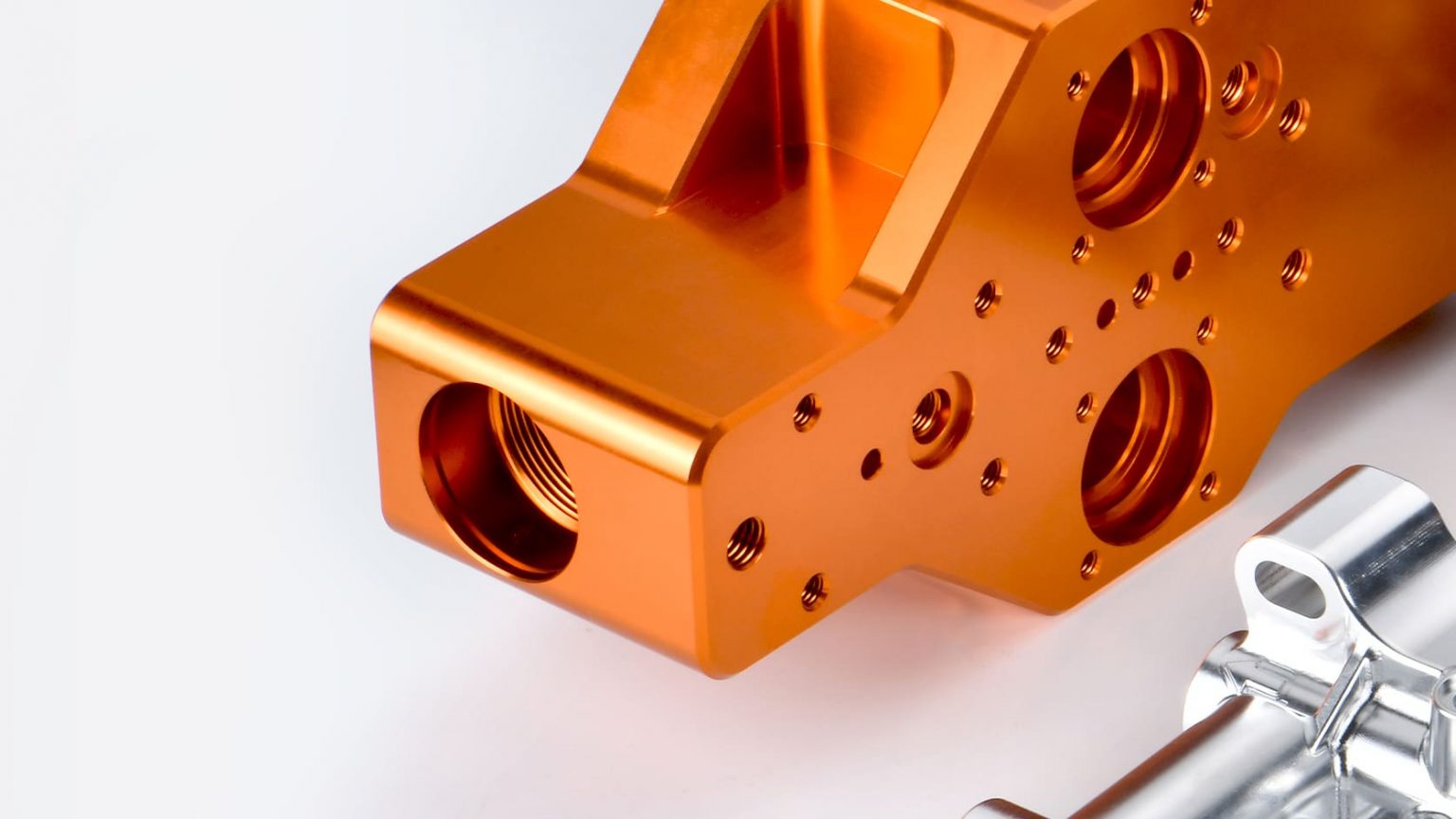
Step 1 — Define function, tolerances, and volume
Write one-paragraph function statements for each part: what it does, where it mates, what forces it sees. Then set realistic tolerances: ±0.1 mm for outer profiles, ±0.01–0.05 mm for critical fits, looser elsewhere. Estimate volume in three bands: prototype (1–20), pilot (20–200), production (200+). That band determines whether you treat a drawing as a throwaway or as a living spec.
Step 2 — Pick materials and process constraints
Choose materials by mechanical need, finish, and cost. Metals: aluminum alloys for weight and machinability, stainless for corrosion resistance, mild steel for strength and price. Match process to material: some alloys need specialized tooling and heat control. Note surface finish and post-processes (anodize, plating, deburr) up front—these add cycles and change dimensions.
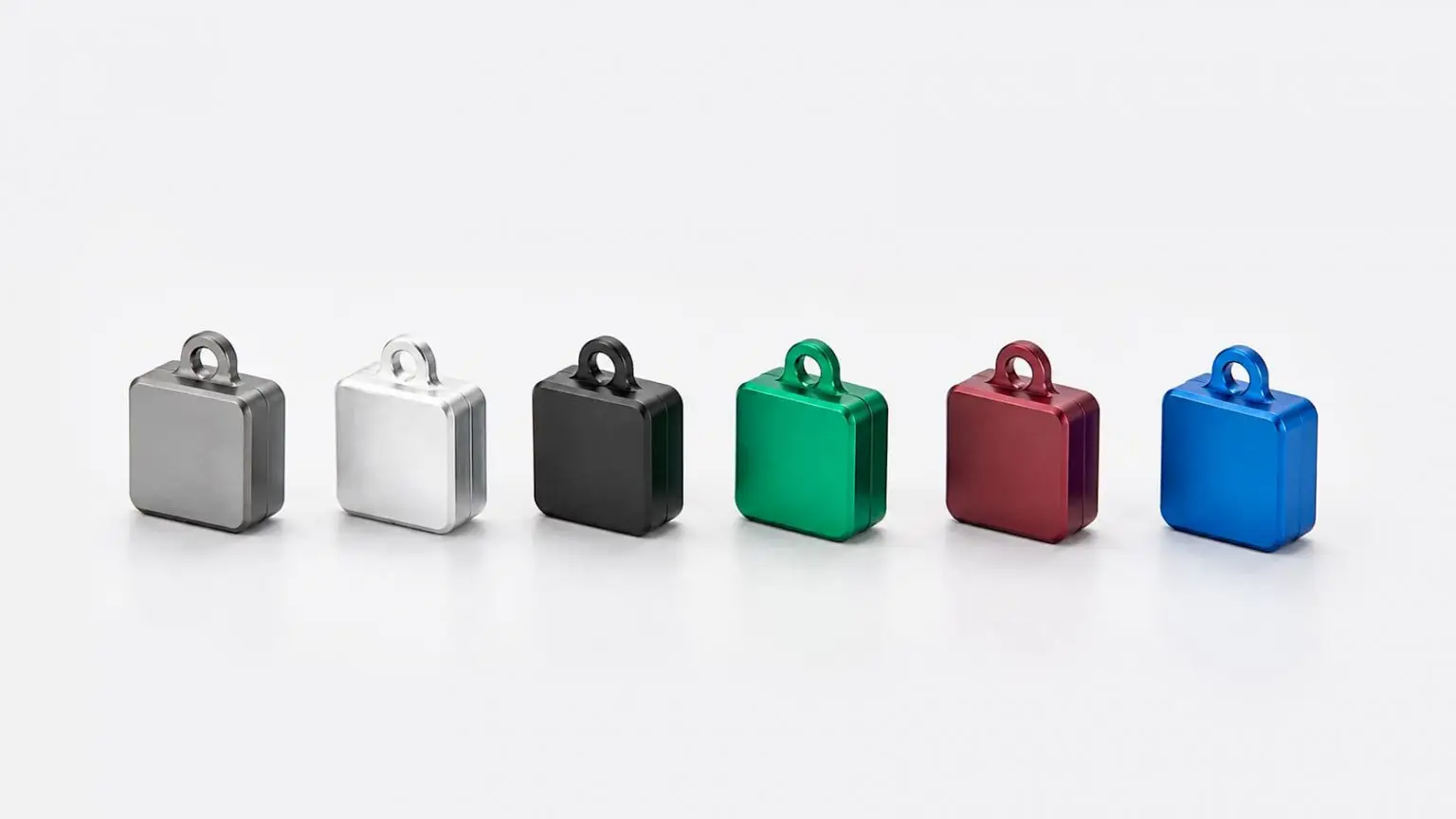
Step 3 — Match processes to product milestones
Lay out which process you’ll use at each milestone. Low-quantity metal prototypes often begin with CNC mills and turners, then migrate to castings or molds for scale. 3D printing is great for form and fit checks but rarely substitutes for metal mechanical performance. List acceptable alternatives and call out where a process swap requires new tolerances or design changes.
Step 4 — Deliverable standards: files, drawings, and GD&T
Give vendors a consistent package: solid CAD model, 2D drawing with critical dimensions and GD&T, approved materials, surface finish notes, and a revision table. Use neutral file formats (STEP, Parasolid) plus native files if requested. Label datum, call out hole classes, and specify measurement points for acceptance testing. Avoid ambiguous notes—vague text becomes assumptions on the shop floor.
Step 5 — Test plan and iteration cadence
Define what “success” looks like for each prototype: functional tests, dimensional checks, and environmental runs. Schedule short iteration cycles—measure, decide, update the drawing, then re-run. Plan for a controlled scrap rate for early runs; prototypes are learning tools, not production runs. Capture lessons in a single source of truth so every vendor sees the same history.
Experience, authority, and a real-world anchor
Working with seasoned shops matters. Look to proven industrial clusters—Detroit’s automotive prototyping hubs show how specifying machinability and test criteria up front reduces costly iterations. When a spec covers fit, finish, and inspection, your partner’s shop practices matter; a reliable metal cnc service will translate drawings into parts that meet those criteria on the first or second run. Standards like ISO 9001 and industry inspection routines back that up; choose partners who document measurement results and stand behind their work.
Common pitfalls and how to avoid them
Don’t leave tolerances implied. Don’t hand vendors partial models. Don’t assume a prototype material behaves like production material. Avoid last-minute process swaps; they change fit and cost. Instead, lock the functional spec, then iterate on non-critical dimensions. Ask for first-article inspection data and photograph critical features—evidence beats interpretation.
Putting the framework into practice
Start small: pick one part, apply this framework, and validate assumptions with a single prototype run. Use the results to update your checklist, then scale. When you need a partner who understands shop-floor realities and ties specs to measurable output, you’ll notice teams that document decisions and produce consistent samples—like Hanstar—and that practical alignment saves time and money down the line.
