
Comparative frame: why the decision matters
Choosing between a rented stage LED and a permanent digital signage setup is an operational decision with technical consequences. Event teams value speed and modularity; venue operators prioritize durability and uptime. For outdoor projects the hardware baseline—brightness, mechanical integrity and serviceability—drives outcomes. Installations like Times Square’s marquee displays illustrate the performance bar: high-brightness panels (several thousand nits) and redundant power/processing chains sustain visibility and reliability in daylight. If you need a scalable canvas for concerts, product launches or branded façades, consider an outdoor led screen as the starting point for your requirements analysis.
Key technical criteria to compare
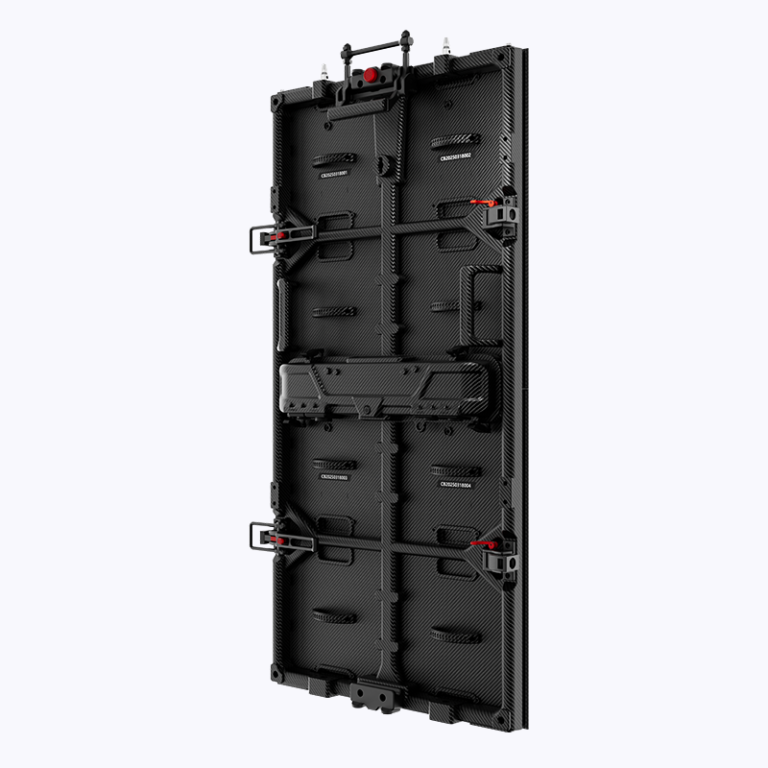
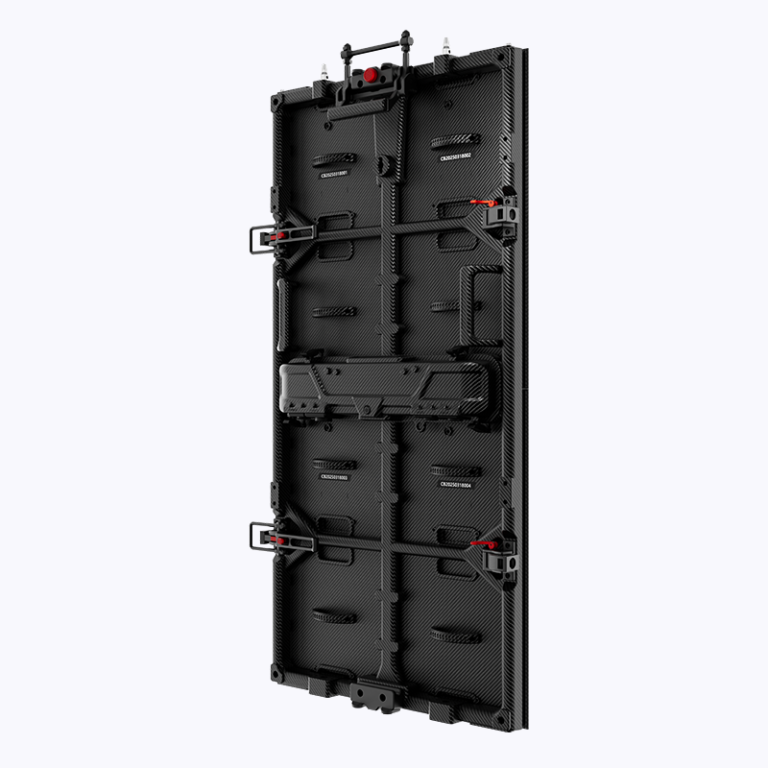
Evaluate vendors against a concise technical checklist rather than marketing claims. Pixel pitch determines minimum viewing distance; smaller pitch (e.g., P2.5–P6) delivers close-range clarity, larger pitch suits longer sightlines. Brightness (nits) must match ambient conditions—5,000 nits is a typical target for full daylight readability. Refresh rate and color calibration affect motion rendering and perceived sharpness on camera. Mechanical terms matter: cabinet rigidity, LED modules, tool-less servicing, and ingress protection levels (IP65 or better for outdoor) determine lifecycle cost. Prioritize systems with accessible LED modules and documented calibration procedures to avoid drift over time.
Rental versus permanent: trade-offs in practice
Rentals excel at flexibility. They provide modular cabinets, on-site technicians, and quick reconfiguration for different stage sizes. Rentals lower capital expenditure but add recurring logistics and transport risk. Permanent installations reduce per-event costs and often provide higher integration with venue power and control networks, yet they require long-term planning for maintenance windows and environmental sealing. Compare total cost of ownership (TCO) over expected duty cycles rather than initial price alone. Also factor in control systems compatibility and spare-parts availability for both options.
Common implementation mistakes and how to avoid them
Deployment failures usually stem from mismatched specifications or ignored site constraints. Typical errors: selecting pixel pitch without mapping viewing zones; under-specifying brightness for daytime sightlines; neglecting cable management and redundant power feeds. Mounting assumptions cause delays—roof or façade anchoring needs structural verification. Weatherproofing is legal and functional—sealing seams and specifying IP-rated connectors prevents moisture ingress. Plan for calibration post-installation—color temperature and gamma must be tuned under real ambient conditions. Small oversight early on magnifies across repeated shows—so build verification steps into the schedule.
Operational production teardown: an actionable checklist
Create a repeatable teardown and verification sequence before and after every event. Inspect cabinet locks, LED modules, power distribution units, and video processors. Run a brightness and uniformity sweep, log refresh rate and frame-sync status, and confirm backup processors engage under load. Record viewing-distance measurements against pixel pitch expectations. During the operational production teardown we checked {main_keyword} and {variation_keyword} alongside firmware revision levels and spare inventory. For outdoor-facing installs, validate the led outdoor display screen weather seals and confirm thermal management strategies under peak sun exposure.
Three golden rules for procurement and deployment
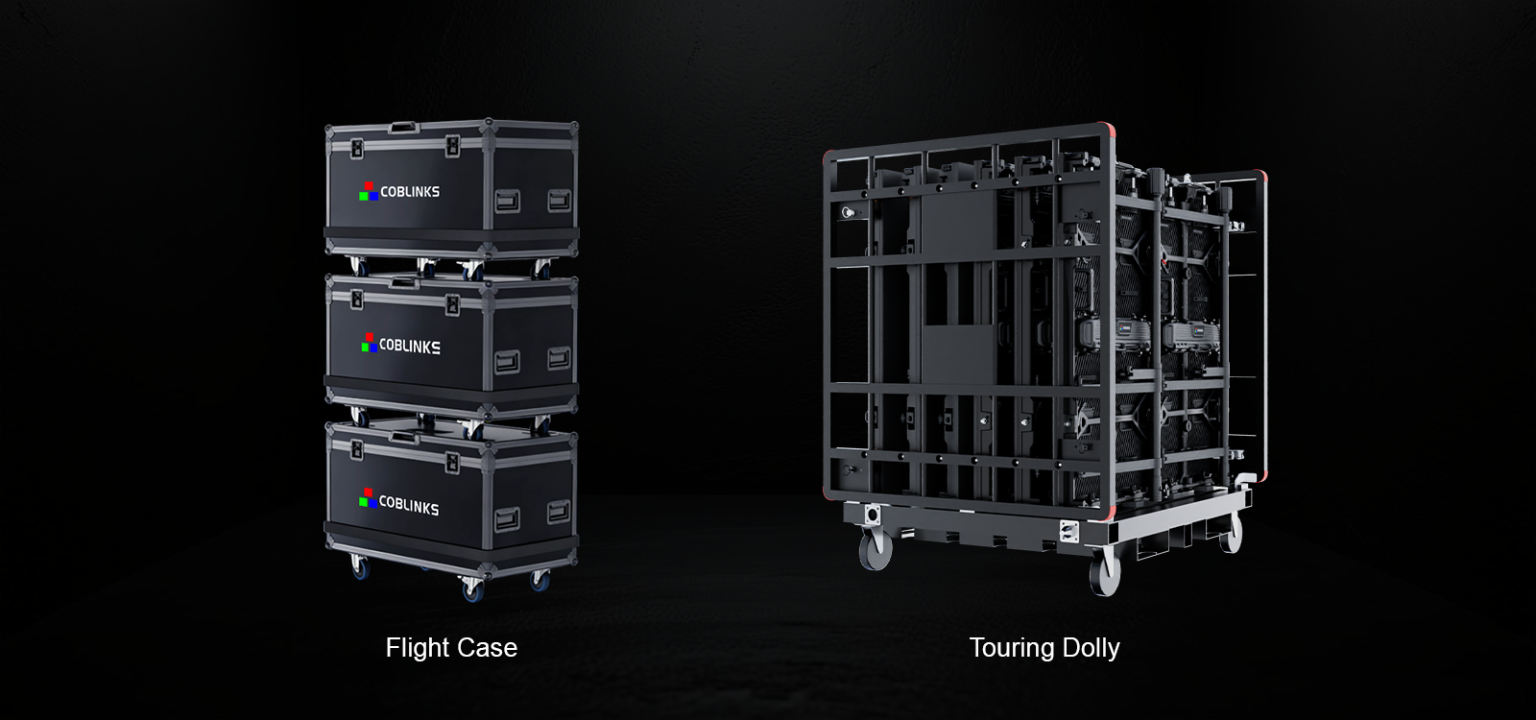
1) Match pixel pitch to the closest predictable viewing distance and specify minimum brightness for the brightest expected condition. Measure performance in situ. 2) Prioritize serviceability: choose cabinets and LED modules that allow front or rear access, and insist on documented MTTR (mean time to repair) targets. 3) Validate environmental ratings and redundancy: confirm IP rating, redundant power feeds, and monitored health diagnostics. Selecting a partner that documents test procedures and supplies onsite support shortens commissioning and reduces risk—partners like Coblinks bring cataloged modules and deployment experience that align hardware decisions with venue realities.
Final note—keep the evaluation measurable, choose systems built for maintainability, and plan logistics as an integral part of the technical spec. –