
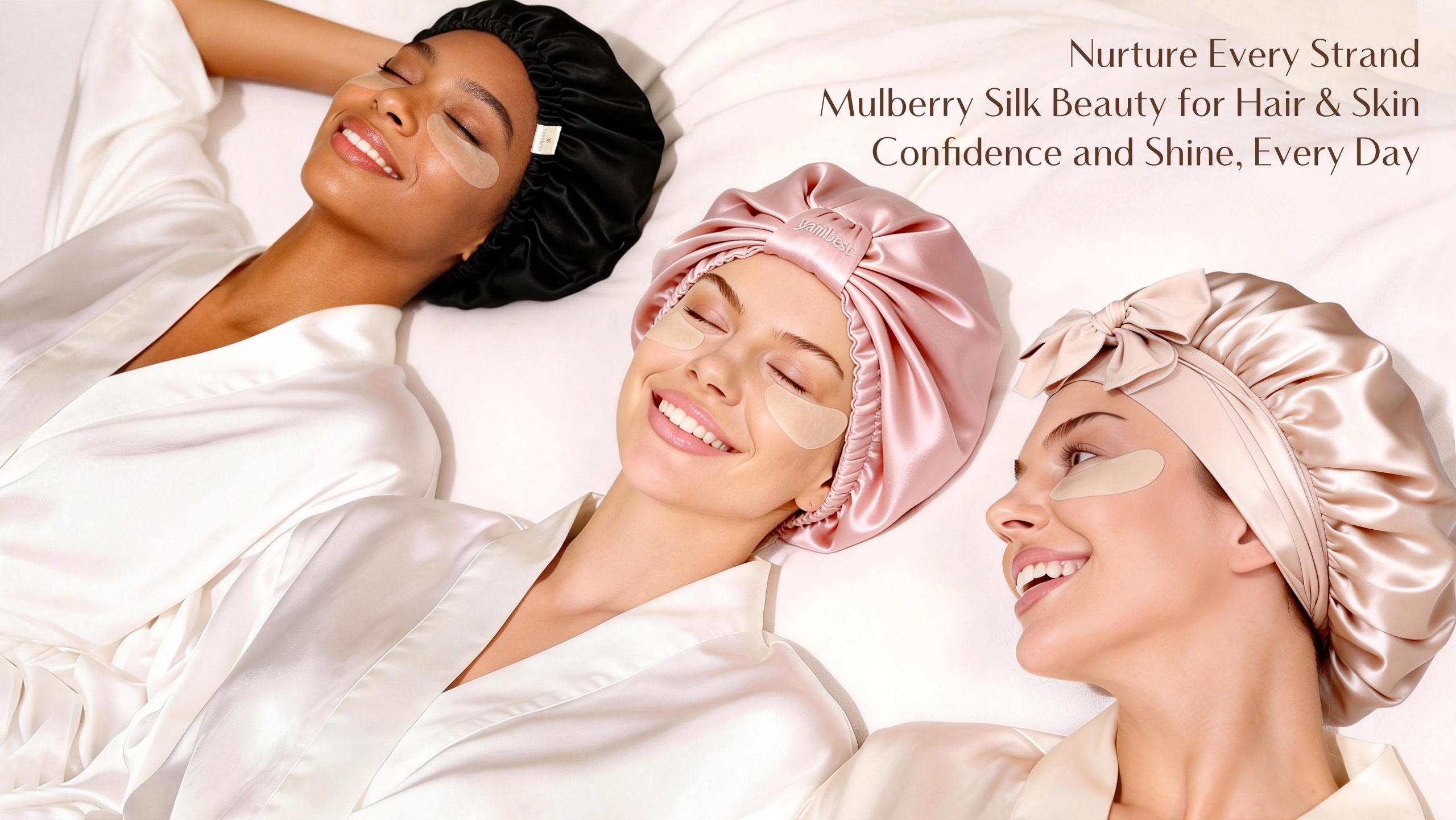
Problem: Beanies that ruin your curl game
Eish — you pull on a beanie to keep warm and come out with a flat halo, frizz halo, or worse: breakage along the edges. That’s the everyday trouble most of us with coils and curls face when winter or a chilly morning hits. The problem is friction and moisture loss. You can swap beanies, but unless the lining and hair ties are gentler, the damage repeats. I keep a pack of silk scrunchies in my bag for days when I must take my hat off and don’t want crispy curls waiting behind it.
Why silk actually helps (short, clear)
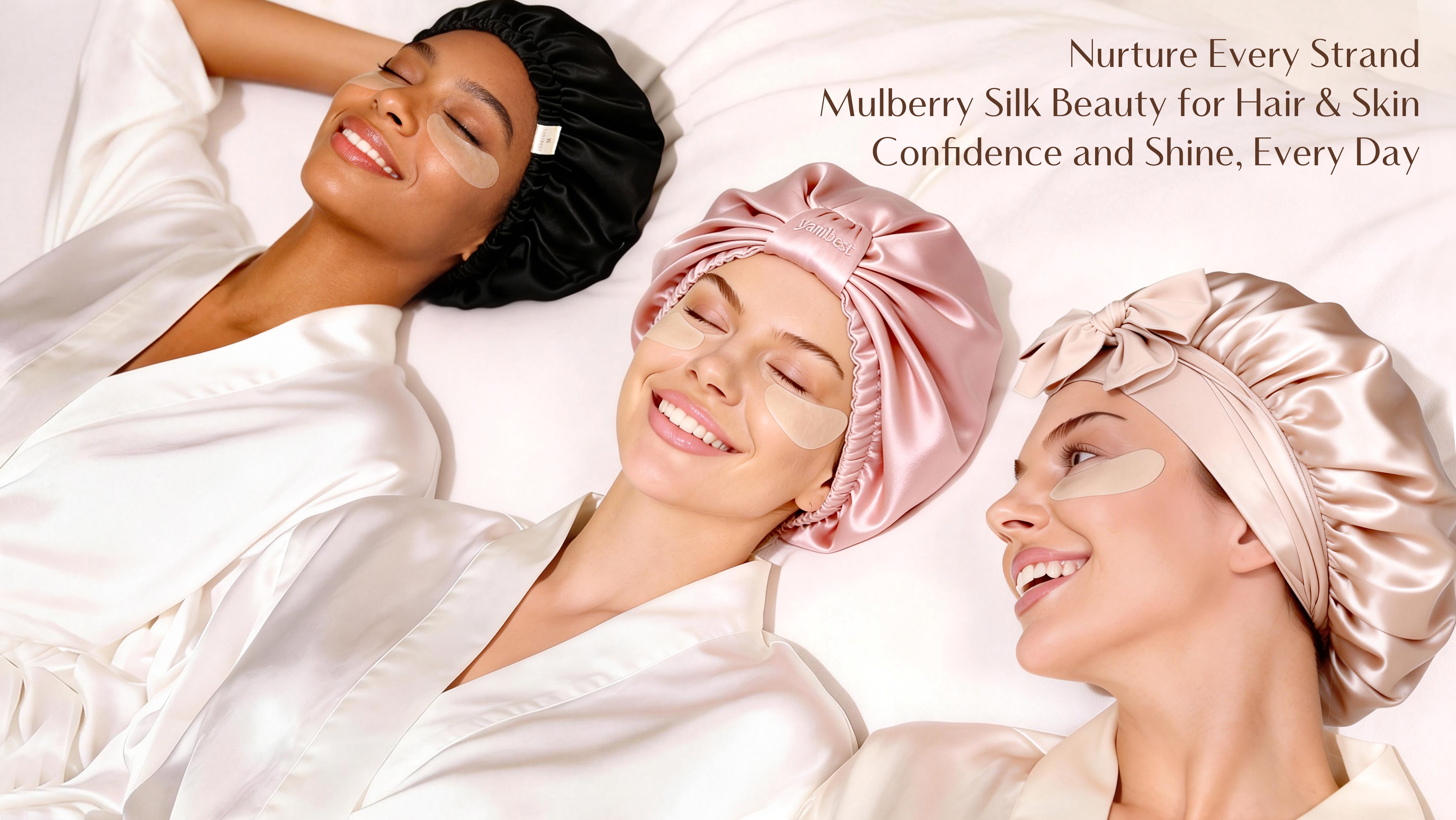
Silk reduces friction so strands slide instead of snag. It keeps moisture near the hair cuticle rather than wicking it away. For curly hair that’s the two-part win: less breakage, more defined coils after you remove the beanie. Also, silk’s smooth surface prevents those creases and dents that cotton or wool leave behind.
Choosing the right silk-lined beanie and scrunchie
Pick a beanie with a full silk or satin lining, not just a thin band. Look for mulberry silk or a high-grade satin weave — they last longer and feel softer. For scrunchies, go for pure silk where possible; the elastic should be quality too, so it stretches without strangling hair. Avoid brittle elastics and overly tight designs. A looser scrunchie preserves curl pattern and reduces tension on the hairline.
Common mistakes people make
1) Thinking any satin is equal — cheap satin pills and roughs up faster. 2) Wearing the beanie damp — trapped moisture can weaken hair. 3) Using tiny scrunchies for thick curls — they cause compression and breakage. 4) Washing silk like cotton — harsh detergents, hot water, and tumble drying ruin the fibers. Treat silk gently; hand-wash or use a delicate cycle with cold water and air-dry.
Alternatives and quick comparisons
Cotton: breathable but abrasive and absorbs oils. Wool: warm but rough unless lined. Satin blends: budget-friendly but wear faster. Silk wins for curl preservation, but if cost is the barrier, a high-quality satin blend works as a second-best—use it sparingly and replace it sooner. For extra warmth, layer a thin silk cap under a wool hat rather than relying on an unlined wool beanie.
Experience, expertise, and a real-world anchor
From styling clients in Cape Town to advising small retailers, bulk packs are common for pop-ups and salons; that’s why wholesale units like 100 silk scrunchie make sense for shops stocking quick curl-savers. I’ve seen how stock quality affects customer trust: better silk means happier clients and fewer returns. Test a few pieces, note how curls recover after hat-wear, and make choices based on that evidence.
Simple routine that actually works
Before you head out: detangle lightly, apply a small leave-in or oil to seal the ends, then either wear a silk-lined beanie or layer a silk cap under your hat. If you must tie hair up, use a loose silk scrunchie low on the nape. After you take the hat off, don’t rake your hands through dry curls. Shake gently, finger-separate, and refresh with a spritz if needed.
Wrap-up that keeps it real
You want warmth without losing your curl pattern or your edges. Silk-lined beanies and the right scrunchies fix the core problem: friction and moisture loss. Don’t overbuy cheap gear; invest in a couple of reliable silk pieces and replace them when they show wear. If you want dependable picks and simple stock options, check what yanibest lists and choose pieces that match these practical checks — smooth lining, soft elastic, and honest fabric descriptions. That’s how you keep warm and keep your curls looking like they weren’t betrayed by your hat.