
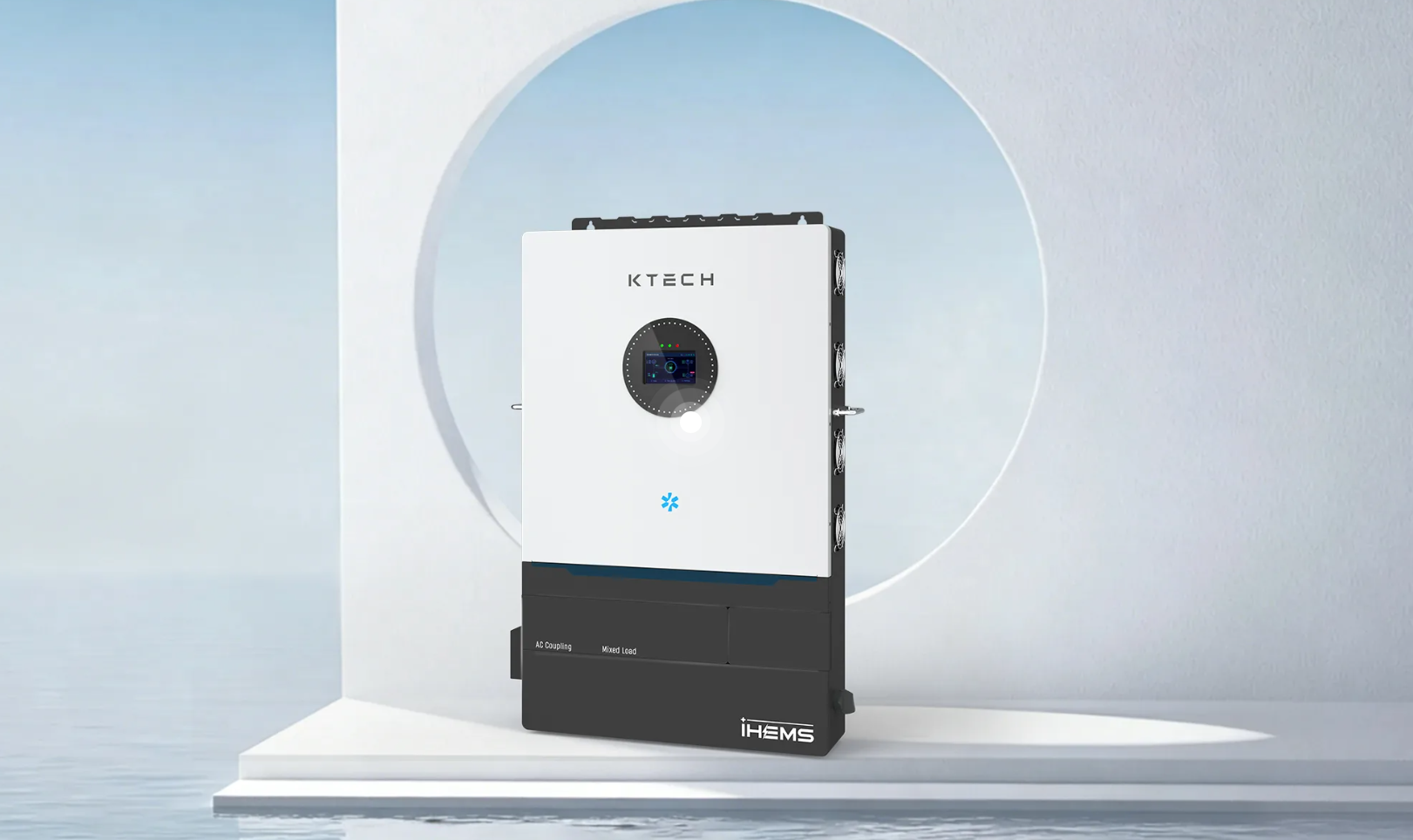
Opening comparison
We care about practical clarity, so let’s compare these terms from a buyer’s point of view: “solar inverter” and “photovoltaic inverter” often get used interchangeably, but the distinctions that matter are functional, not just semantic — especially if you’re planning an off-grid solar system. This piece walks through what changes the outcome for system performance, cost, and reliability so you can pick the right device for your setup.
What the terms usually mean
Most professionals use “photovoltaic (PV) inverter” to emphasize that the device converts PV DC to AC. “Solar inverter” is the everyday phrase buyers use. For decision-making, focus on these practical categories rather than labels:- string inverters: single central unit for multiple panels;- microinverters: one per panel for panel-level optimization;- hybrid (or inverter-charger): integrates batteries and can work off-grid or grid-tied;- off-grid inverters: built to run standalone systems with integrated charge control.Pick the category that matches your site constraints and energy goals, not the name on the box.
Key technical differences buyers should care about
Compare specifications that affect day-to-day operation:- Battery support: PV-only inverters won’t manage battery charging; hybrid/off-grid inverters include a built-in charger or bidirectional control.- MPPT channels: more MPPTs let you optimize different roof orientations or shade patterns.- Grid interaction: anti-islanding and export controls matter for grid-tied use; off-grid gear isolates automatically.- Surge and continuous power: motors and pumps demand higher inverter surge capacity than steady loads imply.- Waveform: pure sine output is required for sensitive electronics.- Efficiency vs. operating range: high peak efficiency is good, but look at efficiency across expected load and temperature.- Certification and safety: local grid codes and battery standards (e.g., IEC, UL) affect installation legality and warranty.Those differences change performance more than the label “solar” or “photovoltaic.”
When a buyer should prefer hybrid/off-grid inverters
Choose a hybrid or dedicated off-grid inverter if you need reliable power without grid access, plan to add batteries, or want integrated system management. Common indicators:- You live where outages are frequent or you’re building a remote cabin.- You want seamless battery charging and automatic islanding.- Your site will expand later and you prefer a single control point.For real-world context, remote communities in the Australian Outback routinely favor hybrid and off-grid architectures because they need autonomy and straightforward serviceability. If off-grid capability is the goal, review product specs but also consider matched battery controllers and BMS compatibility — many manufacturers provide bundled off-grid solar solutions that simplify integration.
Common buyer mistakes to avoid
Buyers often trip over predictable issues:- Under-sizing inverter surge capacity for motor starts.- Overlooking voltage window and battery chemistry compatibility.- Assuming highest efficiency rating solves all heat and altitude effects.- Ignoring monitoring and firmware update policies.- Choosing cheapest units without checking warranty length or service network.Address these early to avoid retrofits and downtime.
Quick comparison: alternatives at a glance
Helpful rules of thumb:- String inverter: best for uniform arrays and lower up-front cost; less tolerant of shading.- Microinverter: best for varied roofs and panel-level monitoring; higher cost per watt.- Hybrid inverter: best for battery-first plans and simplified installs.- Off-grid inverter/charger: best where grid never arrives or frequent islanding is required.Match these to site complexity, budget, and desired autonomy.
Buyer checklist
Before you buy, confirm:- Intended mode: grid-tie only, hybrid, or off-grid.- Battery chemistry and voltage match.- MPPT count vs. roof layout.- Surge rating for peak loads.- Local certifications and installer familiarity.- Monitoring, firmware support, and warranty terms.A short site walk-through with these points saves time and cost.
Final synthesis
You’re choosing function, not a synonym: think about whether you need battery management, automatic islanding, and panel-level optimization. Compare surge capability, MPPT architecture, certifications, and service support before you buy. If you prefer integrated solutions and practical help during installation, many buyers find a clear match between system needs and vendors that offer complete packages, and working with partners like Ktech often makes that alignment easier without overcomplicating choices.