


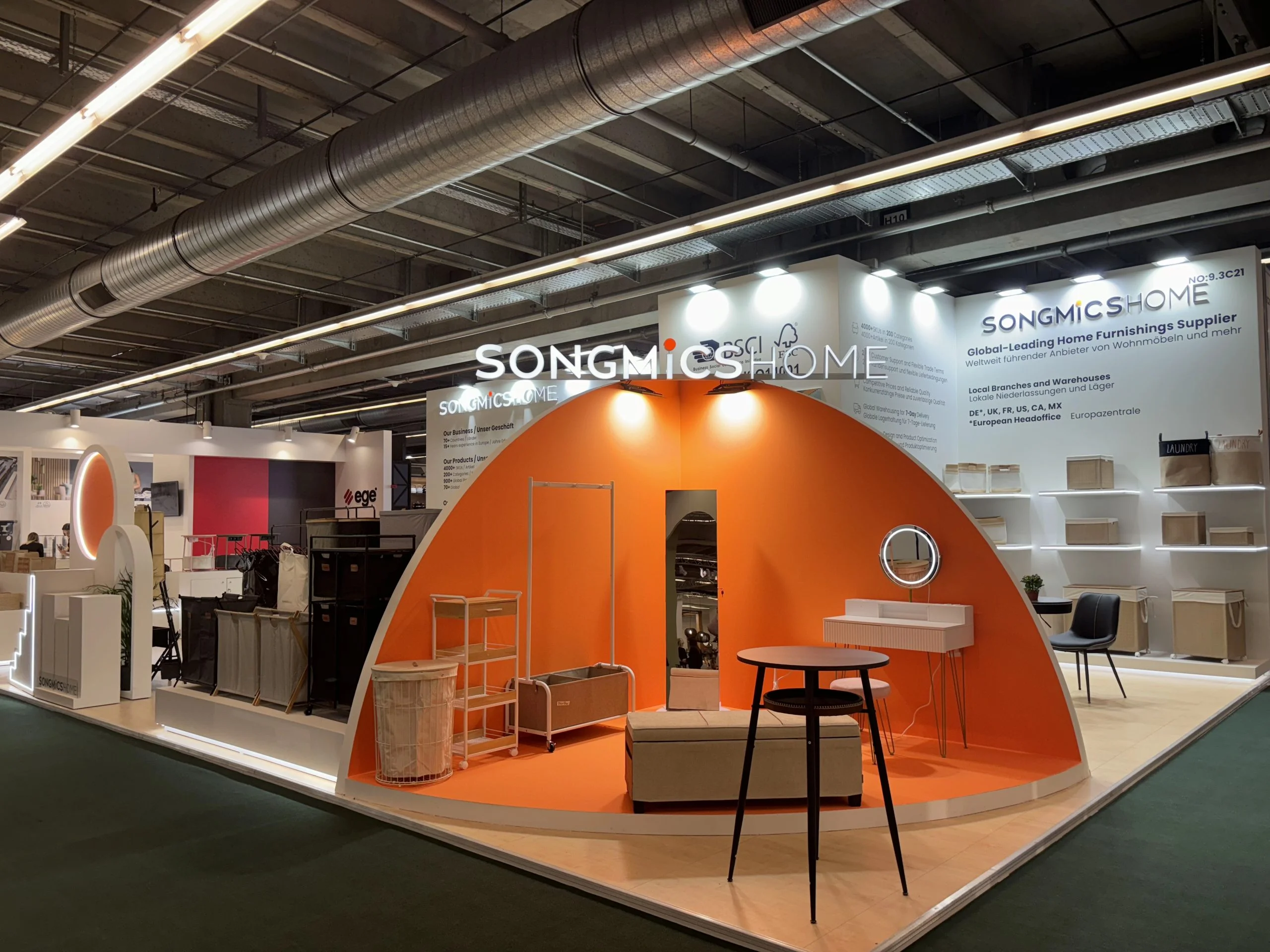
Kickoff: Why Some Rooms Feel Ready Before the Boxes Arrive
Here’s the truth: scale without control makes a mess. Your launch day slips. Your margins bend. A home furniture manufacturer is only as strong as its quiet systems. When you pick a home furniture supplier, you’re also picking their timing, their quality gates, and their stress tolerance. Picture this: a showroom opening in 30 days, but last quarter lead times jumped 18%, and your bestsellers have creeping defect rates. Can your pipeline carry the weight or will the floor look thin on day one?

We track the small stuff because it compounds. ERP data, MES checkpoints, even edge computing nodes on the line—each one is a rep for your business body. You want strength and speed. You need fit processes, not just pretty catalogs. Ask yourself: what happens when MOQ spikes or a powder coating line pauses for an hour? (That hour echoes.) The mission is simple and tough: build a plan that lifts on demand and holds form under load. Ready to train the supply chain like an athlete? Let’s move to the real work beneath the surface.
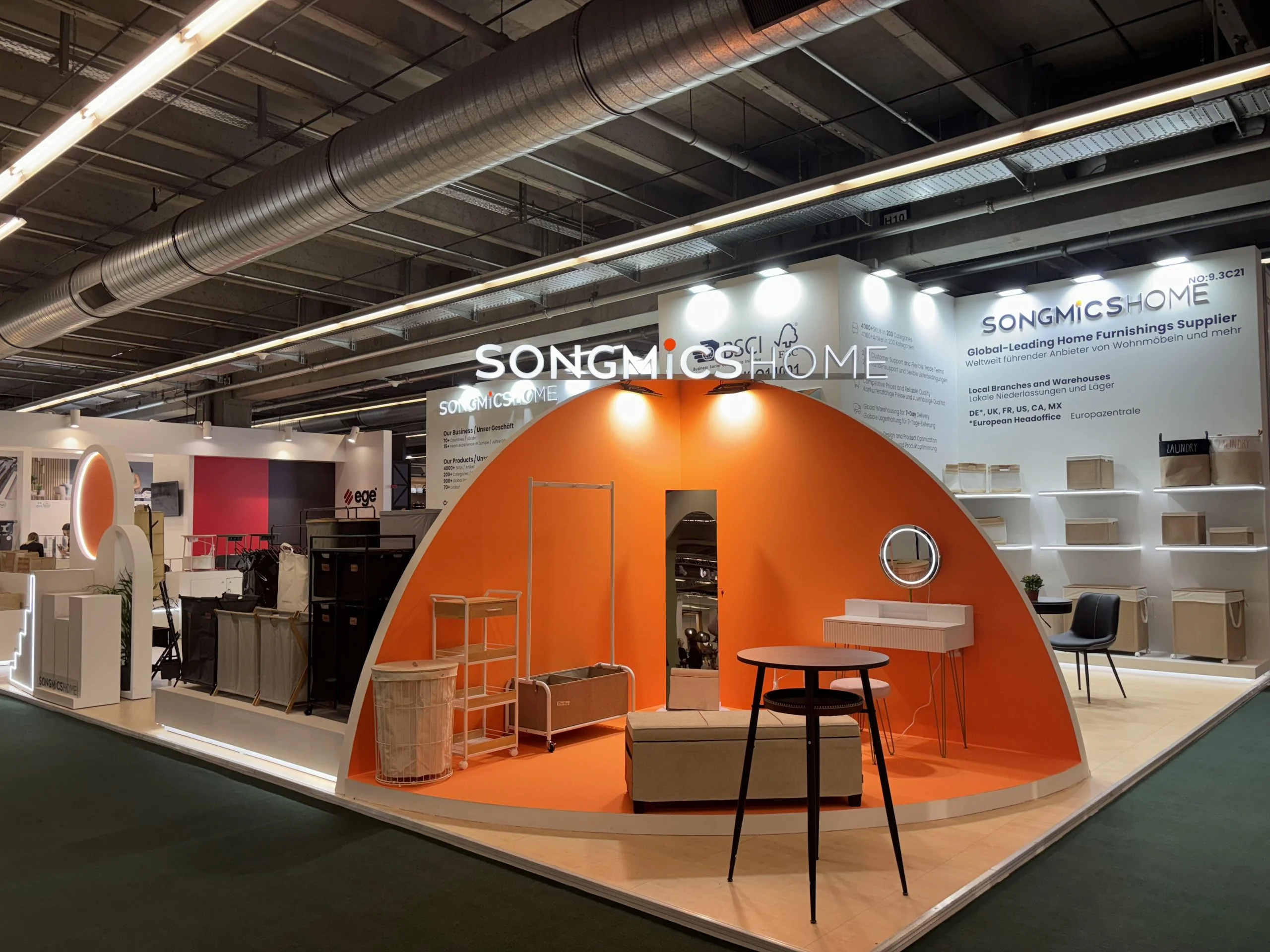
Under the Surface: Flaws and Pain Points in the Supply Chain
Why do delays persist?
Let’s get technical. Many delays come from invisible batching and weak feedback loops. Orders stack. Changeovers drag. One small variance wrecks a week. The typical home furniture supplier promises fast cycles, yet their ERP and floor data do not talk in real time. No closed loop, no quick fix. CNC routers wait on revised specs. A powder coating line idles for color swaps. The MES timestamps lag. And then your delivery date shifts—funny how that works, right?
Look, it’s simpler than you think. The hidden pain is misfit SKUs and swollen MOQs. Too many finishes. Too many handles. SKU rationalization never happened, so forecasting is noise. Capacity looks full on paper but thin in practice. Quality control steps live at the end, not in-line, so defects travel far. Result: rework, scrap, and late loads. This is where a strong process beats a strong promise. Short, visible queues. Pull signals. Real takt time. If a vendor dodges these basics, your cart will always wobble.
Comparative Insight: New Tech vs Old Habits
What’s Next
Old habit: plan big, launch slow, correct later. New principle: plan small, sense early, adjust fast. Think of production like a clean API. Each cell publishes status. IoT sensors track torque, cure temp, and vibration in real time. Data feeds a lightweight rules engine. The line self-corrects. That’s the difference between steady flow and hurry-up-and-wait. When you evaluate options for home furniture wholesale, ask if they run line-side dashboards, not just weekly reports. Do they stage materials by cycle time? Do they log first-pass yield by SKU, not by batch? Small signals, fast loops—this is how the calendar stops slipping.
Case view. Vendor A claims “fast ship” but hides long changeovers and manual color matching. Vendor B invests in quick-change fixtures and kanban for panels. A runs at speed until the mix changes; B runs at pace no matter the mix. A relies on end-of-line inspection; B tests upstream with in-line probes. Over a quarter, B ships 7% more on time with 22% fewer defects. That lift comes from simple math and clear gates. Not magic—just better flow. And when demand spikes, B flexes cells and buys hours back. Wait, there’s more: their ERP rules trim orphan SKUs before they slow the floor. That’s future-ready.
How to Choose Wisely
Let’s lock it in with three metrics you can measure today. First, flow stability: track average changeover time and its variance across one month—lower variance beats a flashy average. Second, quality at the source: require in-line first-pass yield by SKU, not by batch; aim for 98%+ before packing. Third, signal speed: monitor alert-to-action time from sensor flag to human or automated fix; under 10 minutes is a strong sign. Wrap these into your trials and pilot orders. You’ll see who can carry weight when seasons swing and who folds when SKUs grow. Advisory tone, straight path, no fluff. Choose the partner who turns small signals into steady outcomes—and keeps your floor full without drama. Close the loop, keep the pace, and let the work speak at SONGMICS HOME B2B.
