


Framing the comparison
Choosing a weathering test platform starts with a simple question: which degradation mechanisms matter for your product and how closely must laboratory results track outdoor exposure? This comparative piece contrasts common approaches so procurement and lab teams can match performance needs to device capabilities. Practical experience from accredited standards (ASTM and ISO) and long-term exposure programs in South Florida informs the analysis; for accelerated cycles and repeatable results, a reliable weathering chamber is central to consistent data.
What to compare: core technical dimensions
Compare systems along four concrete axes: spectral fidelity, temperature and humidity control, cycle repeatability, and load capacity. Spectral fidelity differentiates xenon-arc units (broad-spectrum sunlight simulation) from UV-only lamps (focused high-energy bands). Humidity and condensation control matter for polymer blistering and corrosion tests. Repeatability is primarily a function of closed-loop control hardware and sensor placement. Capacity affects throughput and sample orientation options; tests with large panels require fundamentally different cabinetry than small coupon racks.
Platform types and when each wins
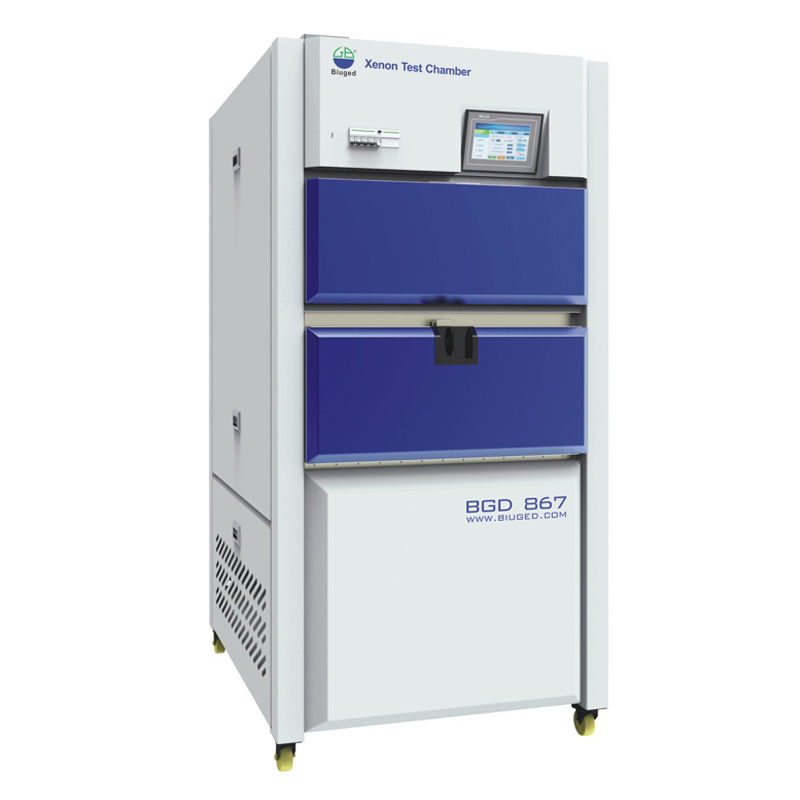
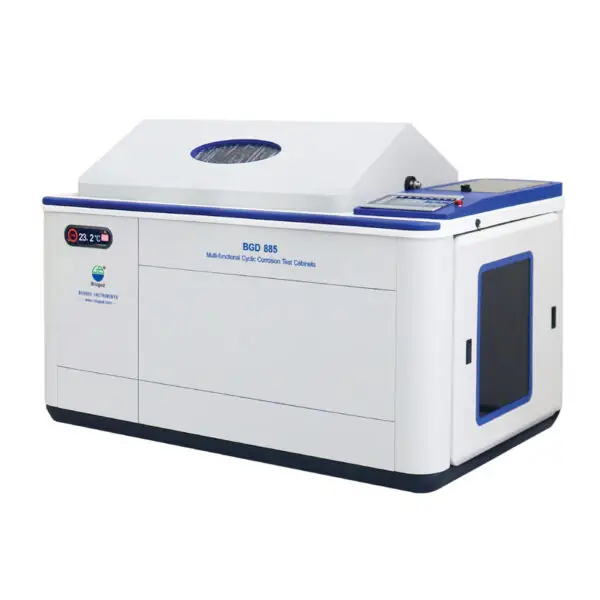
Xenon-arc systems provide the closest match to full-spectrum sunlight and are best when color, gloss and complex photochemical pathways are primary concerns. UV fluorescent systems are efficient and predictable for polymer embrittlement and pigment fade where specific UV bands dominate failure modes. Devices that add cyclic condensation or spray capabilities model combined UV/moisture failures and suit coatings, adhesives, and outdoor sealants. For outdoor-replication priorities, prioritize spectrum and thermal control first, then moisture dynamics.
Selection criteria tied to applications
Choose by failure mode, not feature count. For automotive exterior materials, prioritize broad-spectrum simulation and temperature cycling. For architectural coatings, emphasize moisture cycles and large-panel handling. For electronics packaging, focus on temperature gradients and low-humidity stability. Prioritize certified test methods (ISO/ASTM) supported by the manufacturer—test method compatibility reduces protocol rework and audit risk.
Common procurement mistakes
Vendors often sell lamp intensity without detail on spectral match; don’t buy intensity alone. Overlooking calibration procedures adds hidden cost—ask how lamp aging is tracked and replaced. Buying based solely on cabinet size ignores fixture design: sample orientation and airflow patterns change effective irradiance. Finally, underestimating maintenance downtime can halve usable throughput; clarify service intervals and spare-parts lead times before signing.
Validation and quality assurance
Insist on traceable calibration: spectral irradiance against a reference radiometer, temperature probes mapped across a load, and documented cycle repeatability tests. Cross-check accelerated results against small-scale outdoor exposures or well-documented field datasets. That practice aligns laboratory outcomes with real-world performance and strengthens claims during regulatory or customer audits.
Alternatives and trade-offs
If budget constrains broad-spectrum units, staged testing is viable: run initial screening on UV fluorescent chambers and confirm critical formulations in a xenon-arc cycle. Field exposure remains the ultimate benchmark but is slow and variable; use it selectively to validate accelerated findings. For rapid iteration, prioritize modular systems that allow lamp or humidity upgrades so the test platform grows with your program.
Final synthesis and practical next step
Compare vendors by how narrowly their equipment maps to the failure modes you track, and by the practicalities of calibration, maintenance, and standards support. A manufacturer that supplies clear validation data, documented service plans, and flexible configurations reduces technical risk and procurement friction—qualities demonstrated across leading suppliers, including those with a broad weathering portfolio such as BIUGED.
