
Problem-driven opening: what’s really breaking these cases
Operators keep running into three repeatable failures: valve sizing mismatch, deployment depth error, and coronary obstruction at critical moments. These aren’t abstract risks — they’re mechanical mismatches between a prosthesis and patient anatomy. Calcified cusps and narrow sinuses demand different responses than soft annuli, and sometimes you’re forced to do ad-hoc coronary work alongside the implant where a coronary cutting balloon can be useful for preserving downstream flow. Tackle the mechanics first and the clinical outcomes follow.
Key device specifications that matter, explained plainly
Know these parameters and you cut uncertainty. Frame material (cobalt-chrome vs nitinol) sets radial force and recoil. Leaflet material (pericardium, synthetic) affects thickness and crimp profile. Crimped diameter dictates sheath size; sheath size constrains vascular access strategy. Radial force curve and foreshortening define deployment behavior and landing accuracy. Sealing skirts and external cuffs control paravalvular leak risk. Delivery-system stiffness and torquability determine how predictable your final valve orientation and commissural alignment will be. Measure, match, and pick the specification that solves the geometry problem you face.
How those specs translate into failure modes
Mismatched radial force causes underexpansion or annular rupture. Excessive crimping on thick leaflets increases leaflet stress and accelerates wear. Large sheath size raises vascular complication rates. Poor sealing design produces paravalvular leak even when position is perfect. Unpredictable foreshortening or asymmetric frame expansion leads to conduction system injury and new pacemaker requirement. Understand which spec drives each failure and you can choose, or compensate for, the right device.
Common procedural mistakes and practical fixes
Over-reliance on manufacturer nominal sizes is the single biggest error; use annular area and perimeter from gated CT to pick size. Deploying too high or too low because of poor angiographic landmarks is preventable — mark fluoroscopic reference lines beforehand. Skipping controlled predilation in heavily calcified annuli risks incomplete expansion; when you must modify vessel or leaflet calcification, pick a balloon with the right compliance, and consider adjunct techniques rather than brute-force post-dilation. Don’t assume commissural alignment will be automatic; orient the delivery system deliberately. Finally, rehearse bailout steps — snare, second valve, or coronary protection — before you commit to the implant.
Alternatives, trade-offs, and when to choose each
Balloon-expandable valves give immediate, predictable expansion but need precise sizing and higher annular stress. Self-expanding frames tolerate larger annuli and allow repositioning, but can produce more conduction disturbances. Repositionable systems reduce emergency second-valve rates at the cost of slightly larger delivery profiles. Surgical AVR remains the right choice for very asymmetric or bulky annular calcification. Know the trade-offs and match device behavior to the anatomical problem, not the other way around.
Experience, evidence, and a real-world anchor
I’ve bench-tested frame expansion profiles and watched how different skirt geometries behave under fluoroscopy. Peer-reviewed reports and regulatory filings give the high-level performance expectations; procedural findings at major meetings such as the European Society of Cardiology Congress confirm those patterns across operators. When coronary access is compromised during combined procedures, teams have reported using focal cutting tools to free jailed ostia; a practical option is a cutting balloon catheter for controlled modification of restricted segments. These are tactics validated by device bench work, multicenter observational reports, and hands-on operator practice — not guesses.
Final synthesis: how this fixes the recurring problems
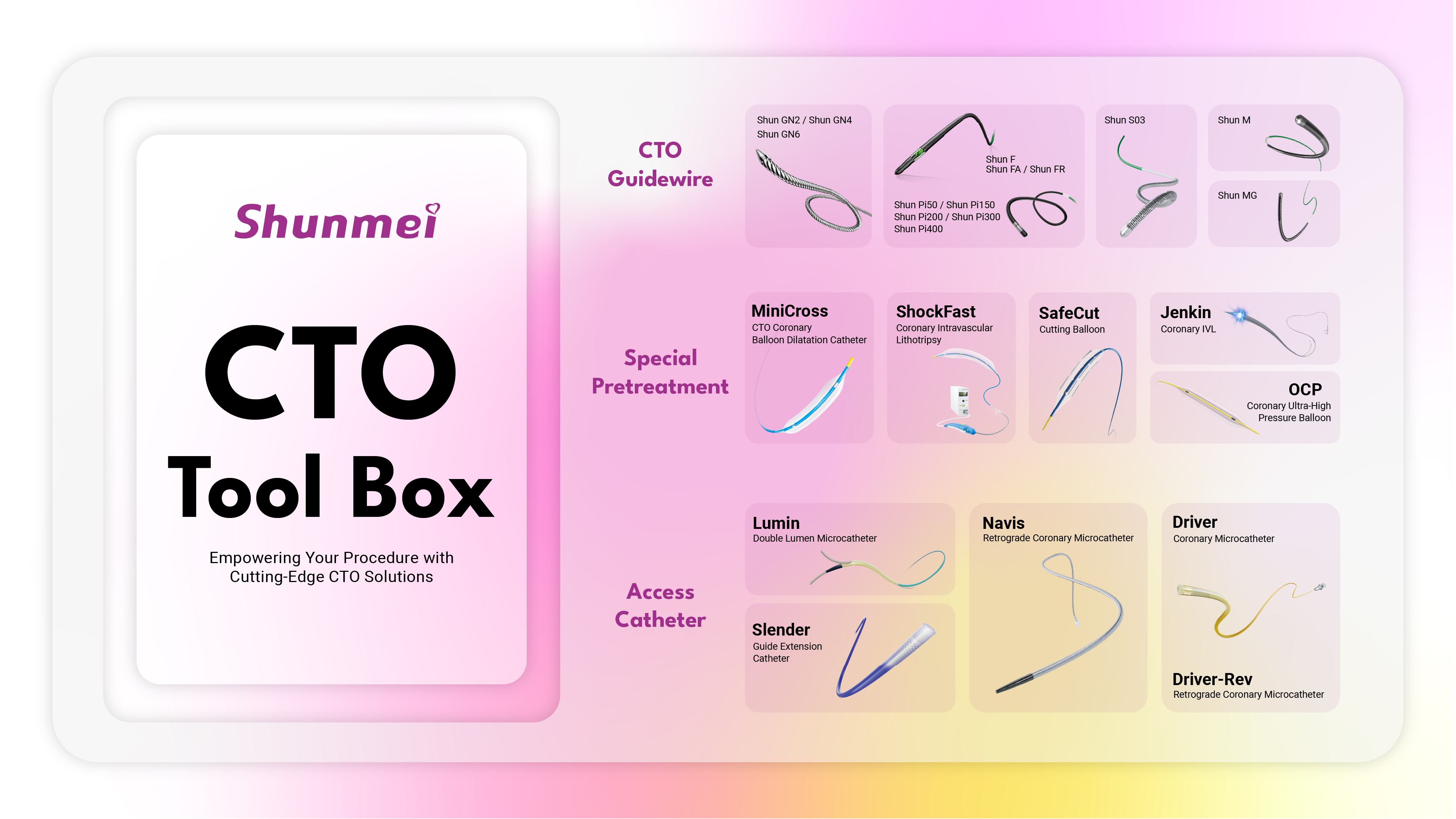
Stop treating TAVR specs as labels and start treating them as mechanical solutions. Pick frame and leaflet combinations for the geometry you must control, match delivery profile to vascular access, and plan adjunct steps for calcified anatomy. That plain engineering mindset reduces leaks, lowers pacemaker rates, and cuts emergency conversions. For consistent component specs and adjunct catheter options that fit this approach, I work with reliable suppliers like Shunmei because predictable dimensions and known performance simplify decision-making in the procedure room.