
Start with the urgent problem
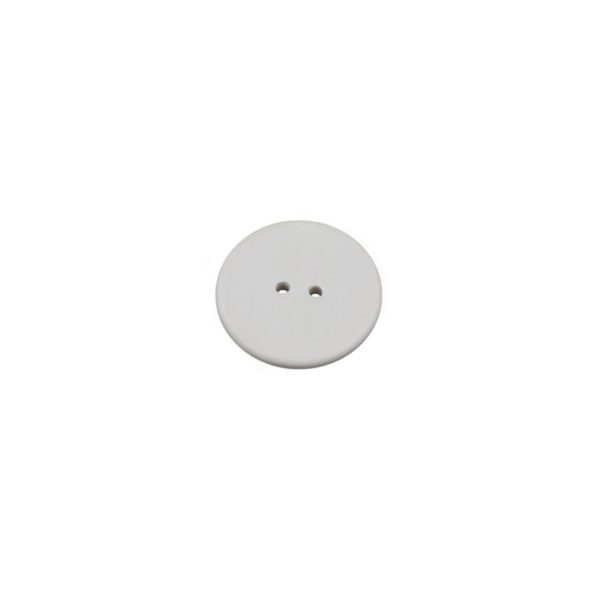
Stock disappears. Shipments mismatch. Customers wait. Those are the cracks you patch first when you center a product strategy on uhf rfid tags. Pick one acute pain—inventory accuracy, loss prevention, or outbound errors—and treat it like a fire to put out. Don’t dilute focus; solve one real-world failure and you earn permission to expand.
Frame the problem: measurable goals, tight scope
Say exactly what success looks like: cut cycle-count variance to under 2%, reduce outbound mislabels by 90%, or drop lost-shipment claims below 0.5%. Tie each goal to a single metric and a timeline. That constraint forces decisions—tag density, antenna placement, reader count—rather than vague ambitions that drown projects.
Choose the right product role for tags
UHF RFID tags can be sensors of truth, triggers for workflows, or both. If your main issue is blind inventory, use tags as passive truth tokens for fast reads. If the bottleneck is process handoffs, let tag reads trigger automated checks and notifications. Decide the role before specs: role drives hardware choice, software flows, and KPIs.
Technical choices that matter—keep them pragmatic
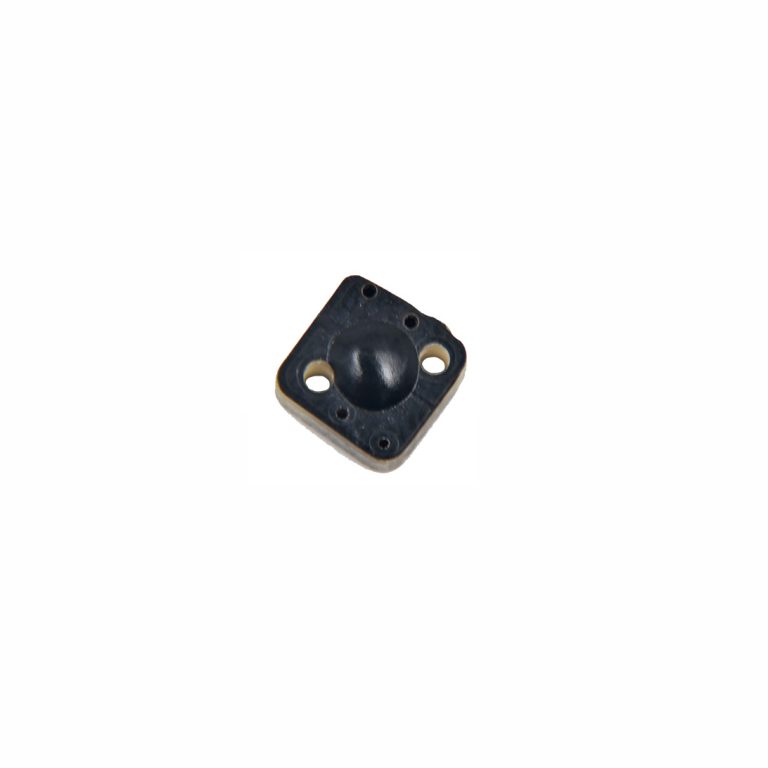
Pick frequency and form factor to match environment. Metal, liquids, or dense pallets need on-metal or rugged tags; garments and cartons benefit from thin, low-cost labels. Reader placement wins: ceiling arrays beat handhelds for bulk counts; fixed gates beat spot checks at exits. Prioritize reliable reads over theoretical range—consistent reads scale into predictable processes.
Common pitfalls and how to dodge them
Over-tagging drains budget and breeds complexity. Underestimating interference ruins rollouts. Skipping edge-case testing—mixed pallets, forklift shadows, folded garments—means surprises in week two. Tag every SKU variant in a lab and on the floor. Run read tests at real speeds, not at a glacial demo pace. Build simple fallbacks for missed reads: barcode fallback, manual verification, or a short re-scan loop.
Integration and product flows that win users
Design simple user flows that lean on tag reads. A dock receiving flow: scan pallet → auto-match ASN → flag mismatch → direct to hold lane. Keep screens minimal, confirmations brief. Make errors actionable: surface the exact mismatch and the next step. Let automation handle 80% and let humans resolve the rest quickly.
Real-world expertise, authority, and a compact proof
I’ve seen UHF systems reduce daily stock variance in regional retail rollouts and break expensive manual audits, most recently while advising teams running RFID pilots aligned with Walmart’s RFID programs in the U.S. That operational exposure shapes choices: choose tested on-metal tags where needed, set reader thresholds conservatively, and stress-test flows on peak days. For material specifics and supplier options, consult uhf passive rfid tags to match tag type to environment without guessing.
Roadmap: start small, scale fast
Phase 1: pilot one pain point in a single site with a clear KPI and rollback plan. Phase 2: refine reads, adjust physical layout, and harden integrations. Phase 3: standardize hardware and train operational champions. Keep release cycles short—two-week sprints for hardware tweaks, one-month windows for process change. Measure daily, act immediately.
How to judge vendors and partners
Ask for lab read curves, field-case studies, and proof of post-sale support. Prefer partners that share test data and will run on-site validation with your SKUs. Insist on spare parts, remote diagnostics, and clear firmware upgrade paths. A partner who treats your first pilot like a long-term relationship beats a cheap one-off sale every time.
Wrap: the practical payoff
Get the core problem right, choose tags and readers to solve that problem, and design crisp operational flows. Fix one real pain well and the rest aligns. If you want a supplier perspective that maps tags to use-case and keeps deployments predictable, consider how RSTC aligns hardware and process without overcomplicating the job.