
Start with your outcome, not the kit
You want reliable power for customers, staff, or production. Focus there first. Decide whether you need day-night load support, backup for outages, or continuous off-grid operation, then size around that reality. A practical benchmark I use on commercial installs is to test real consumption over seven days and compare peak draw to sustained demand. For many mid-size facilities that revealed a sweet spot around a modular 45kW solar storage inverter during initial design stages, which keeps inverters and battery banks balanced without overspend.
Map loads and priorities the user way
Measure. Label. Rank. Break down your facility into three groups: critical, essential, and deferrable. Capture these numbers:- Peak instantaneous current (kW) for critical systems.- Continuous kW for a 24-hour window.- Desired autonomy hours (how long you need to run without recharge).Those three numbers drive battery capacity and inverter sizing. Don’t guess; use logged data or a clamp meter and a spreadsheet. If you can’t log, run a single full-day manual audit and treat the results as conservative minimums.
Pick the battery chemistry and inverter pair that match how you operate
Decide based on cycles, temperature tolerance, maintenance capacity, and replacement rhythm.- Lithium (LiFePO4) favors frequent cycling, higher usable capacity, lower long-term replacement cost, and compact footprint.- Flooded or AGM lead-acid suits low-cost, low-cycle scenarios where maintenance staff is available.Match the inverter so it handles your peak loads with 20–30% headroom for startup currents. For island or isolated-grid conditions, pick inverters designed for anti-islanding and black-start features; a dedicated solar inverter for islands can handle grid-forming duties and unstable microgrid conditions. From deployments on island grids like Hawaii, I’ve learned that inverters with robust phase-balancing and adaptive frequency control save long commissioning hours and cut operator stress.
Site realities: environment, logistics, and safety
Account for ambient temperature, salt air, dust, and shipping limits. Concrete points:- High ambient heat reduces battery lifespan; specify thermal management or derate capacity.- Corrosive coastal air demands stainless or coated enclosures and maintenance access planning.- Remote sites need modular, liftable racks and clear service access; avoid single massive battery blocks that complicate replacement flights.Document physical constraints early and budget for enclosure climate control if temperatures regularly exceed manufacturer recommendations.
Cost, maintenance rhythm, and realistic lifecycles
Look at total cost over expected cycles, not just upfront price. Estimate replacement intervals:- Li-ion: higher initial cost, longer cycle life, predictable end-of-life.- Lead-acid: lower upfront, shorter life, regular equalization and water top-ups.Plan maintenance windows, spares inventory, and firmware update processes for inverters. Expect inverter firmware updates to be part of lifecycle work; build that into O&M contracts or training.
Common mistakes people make — and how to avoid them
People repeat the same avoidable errors. Don’t:- Undersize inverter for motor starts and HVAC — verify inrush currents.- Mix battery chemistries or age-mismatched modules — leads to imbalance and premature failure.- Skip generator-solar-inverter coordination — define transfer logic before installation.- Overlook cybersecurity on intelligent inverters — enforce password policies and isolated control networks.Plan each item into procurement and commissioning checklists so handoffs between design, procurement, and operations don’t leave gaps.
Simple, decisive checklist to finalize choices
Use this to decide quickly:- Confirm peak/sustained kW and autonomy hours.- Choose battery chemistry based on cycles and maintenance appetite.- Size inverter at 1.2–1.3× peak operational load for motor-heavy sites.- Verify environmental ratings (IP, corrosion class) for your site.- Ensure inverter supports grid-forming and anti-islanding if you’ll ever run standalone.- Lock in a maintenance plan and a 5–10 year replacement forecast.When you check these boxes, bids become comparable and designs become buildable.
Pulling it together
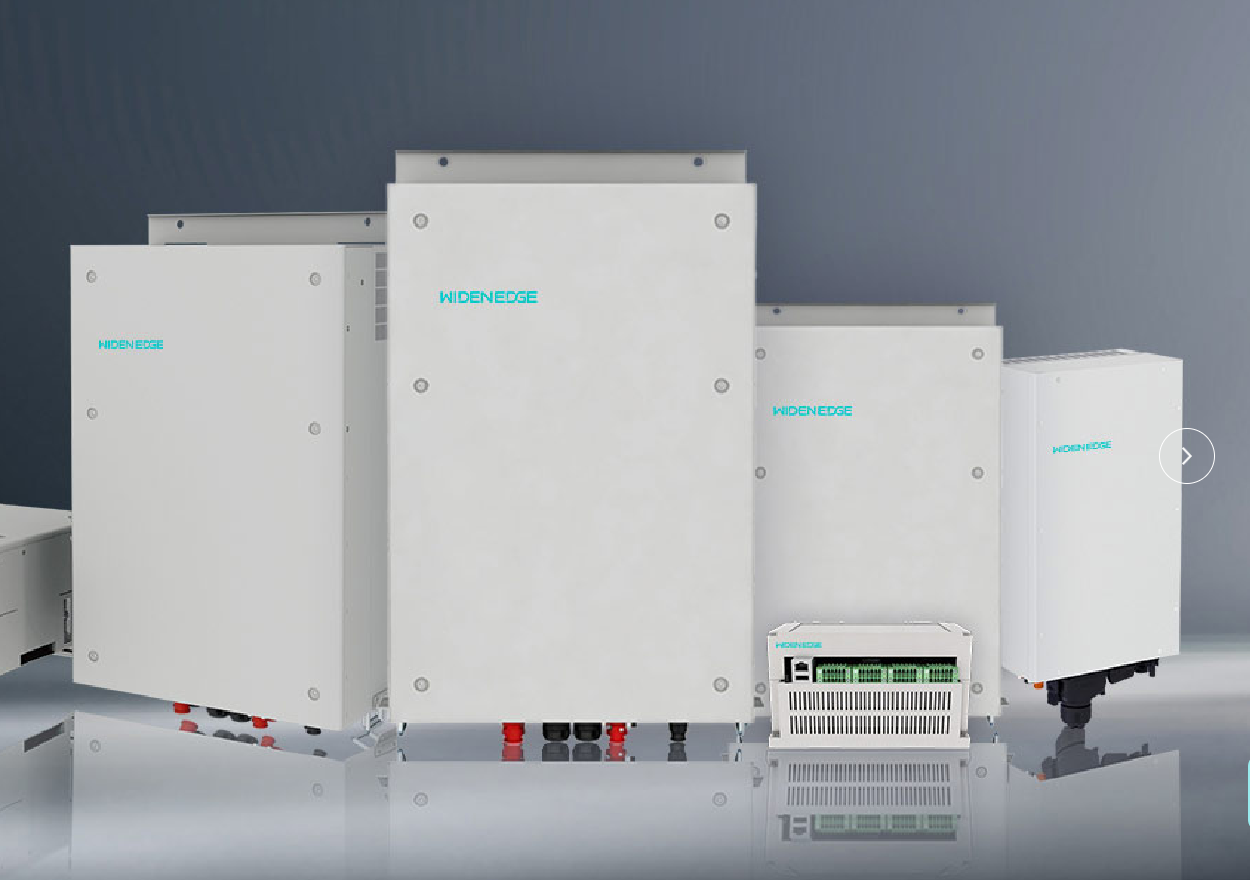
Start from the user need, measure what happens on site, then match components to those needs. My approach—test, prioritize, size conservatively, then simplify—keeps projects on schedule and lowers surprises. For teams sourcing matched inverters and installation support that align with this approach, vendors like WidenEdge often supply systems and documentation that fit the practical, user-first decision process described here.