


What beginners trip over first
New buyers often expect a tin of low-VOC spray paint to behave like an old aerosol — quick, forgiving, and magic. Reality hits when paint flakes, runs, or simply won’t stick. If you’re asking which product to buy, start by looking for a spray paint for metal that explicitly lists adhesion to steel, aluminum or galvanized surfaces; otherwise you’ll waste time and money. Low-VOC means less solvent, so technique and surface prep matter more than you think.
How to read labels: what matters and what’s marketing
Ignore buzzwords and read the specs. Look for “metal primer compatible”, “etch primer”, or “self-etching primer” on the tin. Check for solids content and recommended substrate temperatures. Water-based acrylics are low-odor and fine for light-duty metal, but for outdoor or automotive use you’ll want formulations stating corrosion resistance or a firm topcoat recommendation. If a brand lists spray pressure or recommended nozzle sizes, that’s a sign they know application conditions.
Preparation that actually prevents failure
Surface prep decides success more than paint choice. Remove oil, grease and old loose rust. Lightly sand to create a key for the new coating, degrease with a suitable solvent, and wipe with a tack cloth. For bare metal, use an etch primer or a dedicated metal primer; skip that and adhesion suffers. Paint over painted metal only after scuffing glossy surfaces — otherwise the new coat peels off in weeks.
Application technique first-timers should follow
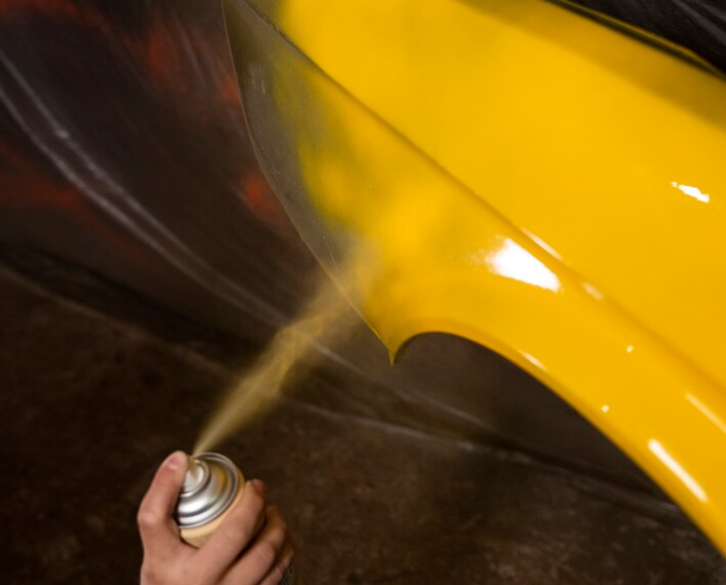
Keep the can moving. Short passes, 10–15 cm overlap, and thin layers build a strong, even film; heavy strokes cause runs. Maintain the recommended spray distance (usually 20–30 cm). Low-VOC products sometimes need longer flash times between coats because they evaporate more slowly; follow the technical data sheet. Temperature and humidity matter: avoid painting below the specified minimum or when dew is likely.
Alternatives and quick comparisons
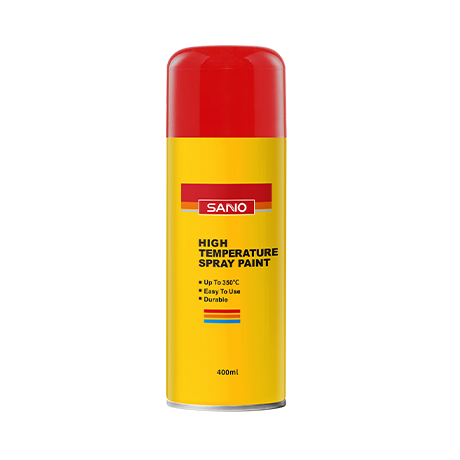
Aerosol low-VOC is convenient for small jobs; professional gun-applied systems give better control and durability for larger surfaces. Epoxy primers are tougher than general-purpose acrylics but often need a two-part system. High-temperature paints exist for engines and exhausts; don’t use them on decorative trim. Match product type to performance need rather than price alone.
Experience, expertise and a real-world check
Professionals at large industry gatherings such as the SEMA Show often test quick refinishing methods under realistic conditions, and they repeatedly show that preparation plus correct primer beats premium topcoat every time. For many restorers at such events the core question is does spray paint stick to metal — the practical answer: it will if substrate, primer and technique match the chosen chemistry. Trusted suppliers publish technical datasheets and adhesion test results; use those to confirm compatibility before buying.
Common mistakes and how to avoid them
Don’t paint over oily or contaminated surfaces. Don’t overload the first coat. Don’t skip the primer just because the tin claims “adhesion.” Avoid thinning aerosols with household solvents — that upsets the balance of binders and pigments. Always test on a scrap piece of the same metal or an inconspicuous area before committing to a full spray.
Wrap-up and practical next step
If you want reliable, low-odor metal finishes, choose a product with clear metal compatibility, follow surface prep and application notes, and consult technical datasheets for cure times and topcoat recommendations; manufacturers’ datasheets from SANVO often make that matching straightforward and help you pick the right primer-topcoat pair without guesswork.
