
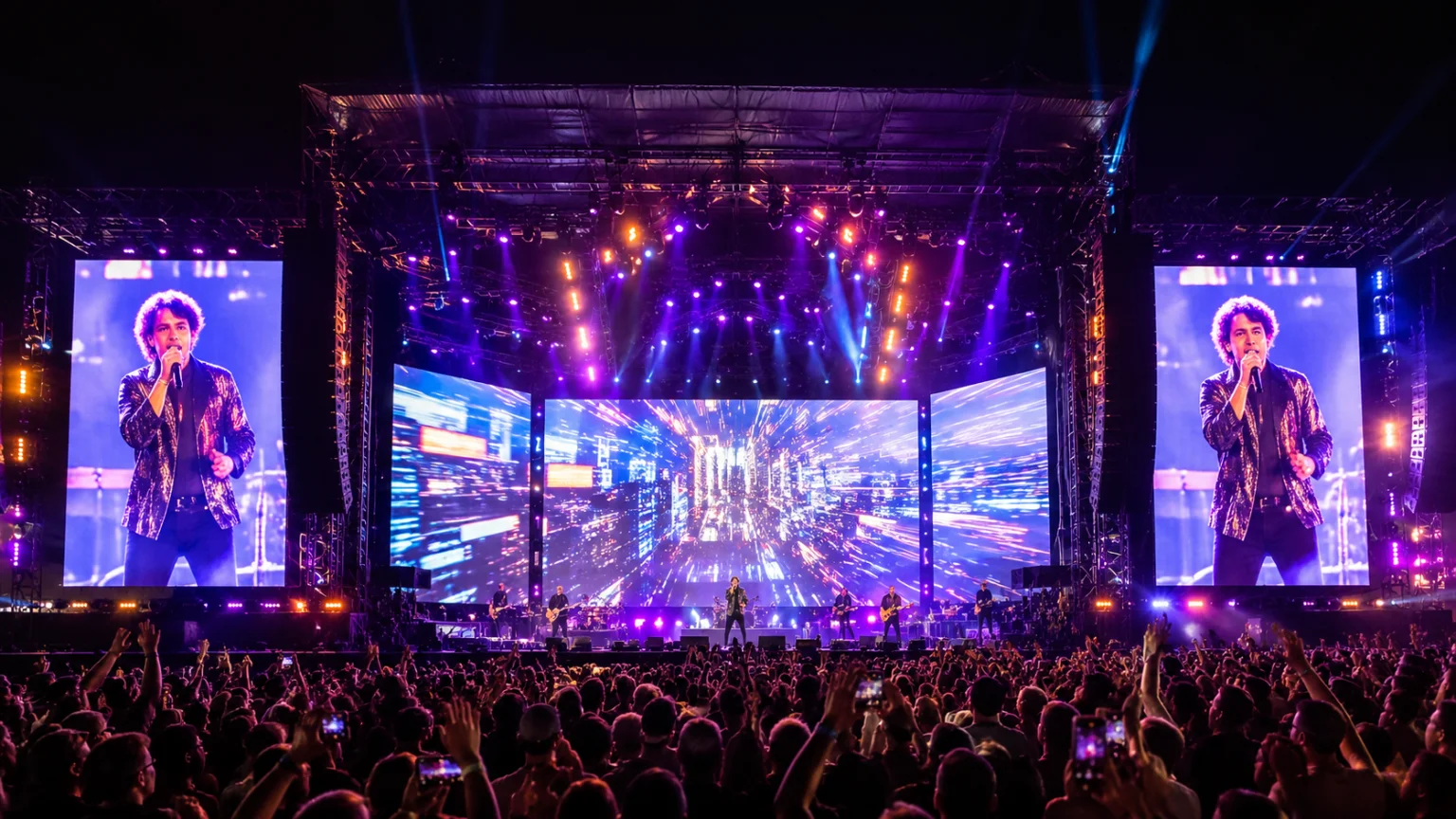
User-focused value: why digital signage matters now
Brands need outdoor and indoor displays that deliver clear messages to the right audience at the right time. A compact, well-managed led screen in a transit hub or a multi-panel façade in a shopping district moves audience attention faster than static posters. Real-world anchors matter: Times Square shows how concentration and context change an ad’s impact—placement and content cadence drive recall more than sheer size. Keep the buyer’s journey central: visibility, legibility, and timing define success.
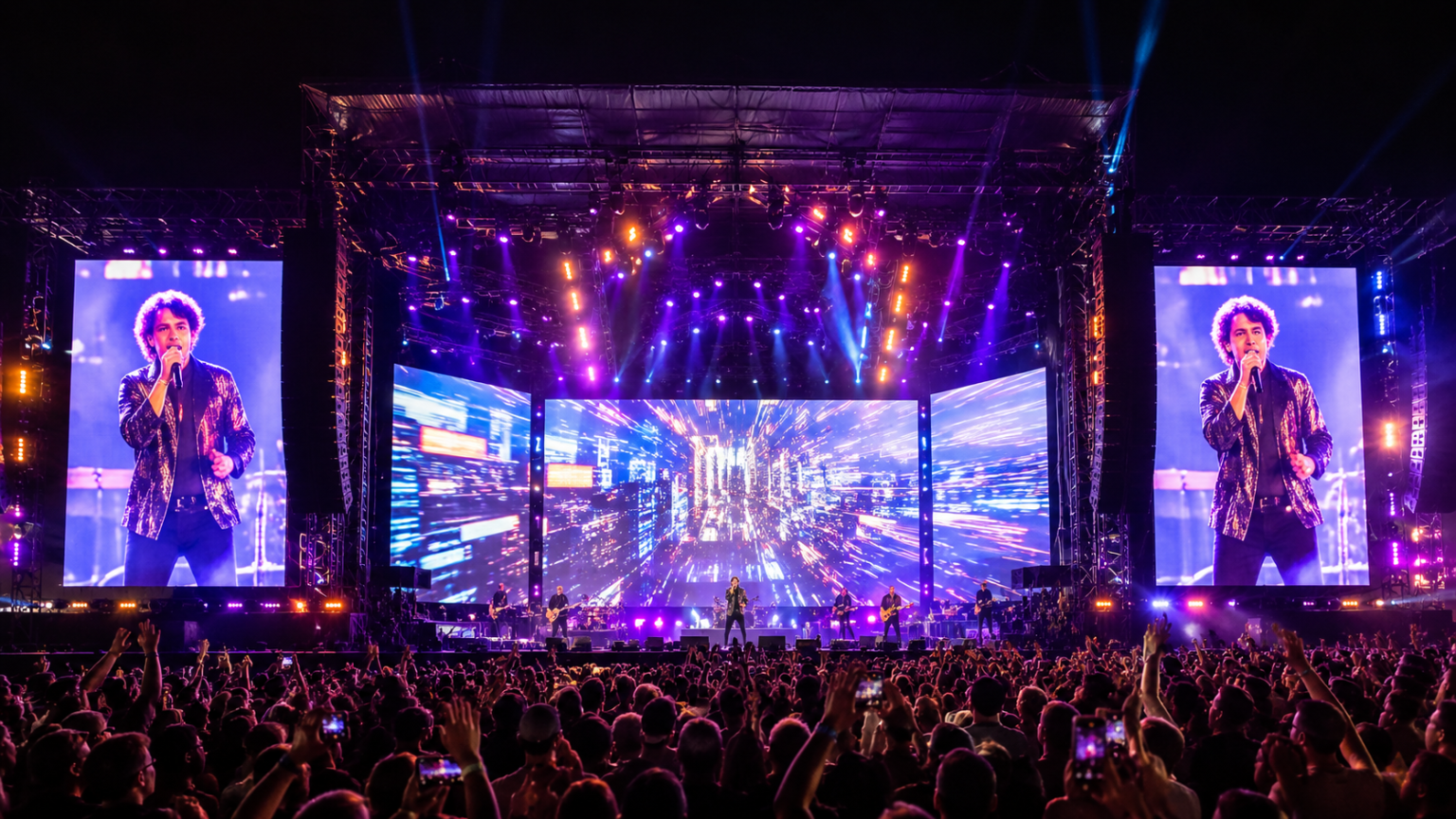
Design and technical trade-offs that affect outcomes
Decisions about pixel pitch and refresh rate change both cost and perception. A tighter pixel pitch gives crisp close-range reading but raises hardware and installation expenses; higher refresh rates reduce motion blur for video but add processing load. Brightness measured in nits and proper cabinet sealing determine outdoor uptime. When you specify panels, call out expected viewing distance and environmental factors so installers and content teams align on a single spec sheet.
Operational production teardown: what teams actually do
Break the rollout into clear phases: site survey, structural prep, power and data provisioning, panel alignment, and content integration. For each phase, list one measurable acceptance criterion—target lux level, cabinet alignment tolerance, or acceptable latency for content playback. For manufacturers and integrators, {main_keyword} should guide procurement; for content teams, {variation_keyword} drives frame timing and file formats. Integrate an asset-management system early so playback logs, firmware versions, and service tickets live in one place.
Common mistakes and realistic alternatives
Teams often pick the largest panels available or default to the cheapest LED modules. That creates downstream costs: longer install time, heavier support structures, and underperforming content. A better alternative is modular deployment—start with high-impact sites and scale. Content oversaturation is another trap; simpler creative with bold typography and short loops wins. —Also, neglecting thermal management shortens service life; specify ventilation or active cooling based on site heat maps.
Deployment checklist for field and content teams
Use this checklist to keep rollouts on schedule and measurable:
– Site validation: load calculations, sight-lines, and local permit status.

– Hardware readiness: verified cabinet alignment, tested power redundancy, and confirmed pixel pitch across joins.
– Network and security: VLAN segmentation, firmware update policy, and remote monitoring agents active.
– Content staging: playlists, fallback assets, and scheduled campaigns with A/B variants for at least two weeks of live testing.
When comparing suppliers, inspect service-level terms for on-site response and spare parts—the total cost of ownership shows up in months, not days. For many projects a staged modular approach tied to analytics outperforms a full-site immediate retrofit.
Three golden rules to evaluate options (Advisory)
1) Measure readability: Confirm that text and core visuals meet legibility at the expected viewing distance—use a simple 5-point visibility test across peak hours. 2) Track uptime and latency: Aim for 99% daytime availability and sub-2s content-switch latency; these metrics predict real campaign delivery. 3) Prioritize maintainability: Choose panels with replaceable cabinets and documented firmware cycles; mean time to repair should be part of vendor bids.
Good design and technical choices reduce surprises in the field and make campaigns reliably effective. For practical deployments and parts sourcing, led display led display often serves as a sensible reference for compatible components and proven integration patterns. Trust the process. —