
Start with the user need
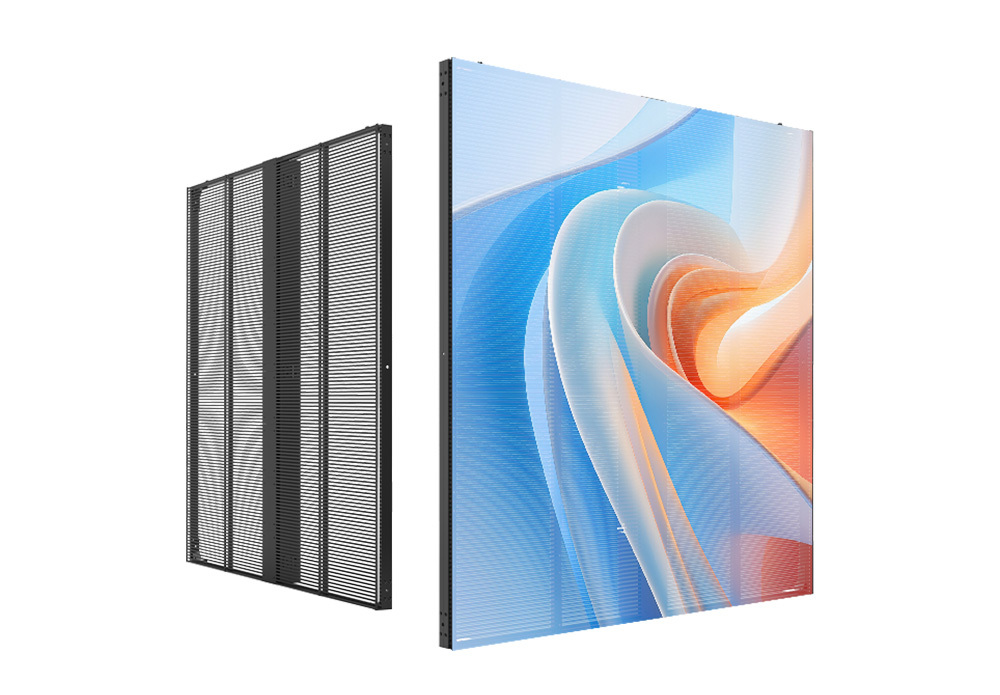
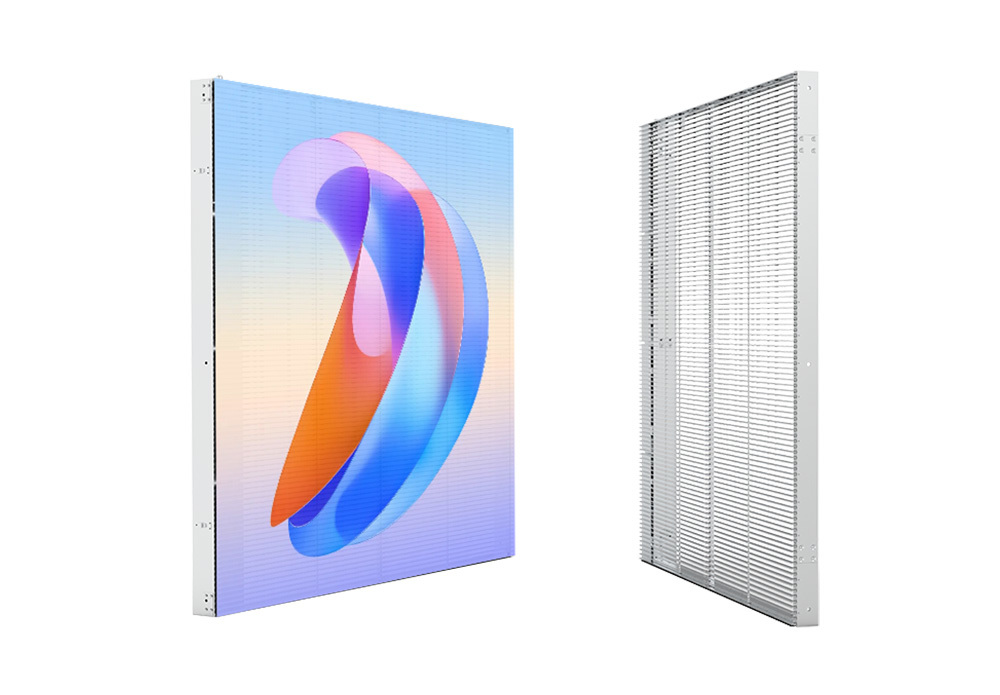
Think about where the screen will live and what you must achieve: product visibility, window advertising, or an indoor installation that should look almost invisible when off. If you want clarity through glass and clear branding at the same time, consider a led transparent screen as an option that keeps sightlines open while showing bright content. Keep the end user in mind — passersby, shoppers, or employees — because their viewing distance and attention span shape almost every technical choice.
Match resolution and pixel pitch to viewing distance
Pixel pitch dictates perceived sharpness. For close-up viewing (under 3 m), choose a fine pitch; for displays seen from across a street, a wider pitch is fine. Ask suppliers for recommended viewing distance and send them real photos of the intended mounting site. Also confirm native resolution, refresh rate and whether the display supports mixed content — text, full-motion video, and seasonal overlays — without flicker or color washout.
Consider brightness, transparency and ambient light
Transparent displays trade some opacity for see-through effect; choose a model whose brightness beats the ambient light by a comfortable margin. For glass facades facing direct sun, specify higher nits and anti-reflective options. Check whether the screen allows adjustable brightness profiles or sensors so it won’t look washed out at noon or blinding at night.
Installation, serviceability and warranties
Decide whether the installation must be framed within a storefront window, hung internally, or embedded in a partition. Ask about mounting brackets, power routing, and whether technicians can service modules from the front. Get explicit answers on mean time between failures, spare-module availability, and a clear warranty scope — including LED module, driver, and controller coverage.
Experience, authority and a real-world anchor
I’ve seen buyers change specs after testing samples in actual retail windows; that hands-on checking matters. Major trade events such as CES in Las Vegas have repeatedly demonstrated how transparent LED concepts behave under real show-floor lighting, and you can find comparative notes from those showcases in industry reports. For a practical reference to products used in these scenarios, review a trusted vendor’s offerings like transparent led display screen to compare stated performance against what you observe on-site.
Alternatives and common mistakes
Don’t assume transparent LED is always best. For deep blacks and cinematic content, OLED glass or rear-projection can be better. Frequent mistakes include choosing too coarse a pixel pitch, underestimating mounting complexity, and neglecting thermal management for sunlit facades. If you need daytime clarity through storefront glass, verify sample clips in the actual light conditions before placing the full order.
Bringing the decision together
Focus your questions around who will see the content, from where, and for how long. Confirm brightness, pixel pitch, maintenance access, and warranty terms. Where vendor experience matters most, look for suppliers who document field installations and module-level support; that practical proof helps you avoid surprises and makes the technical choices dependable for your site. When those points align with your use case, a proven partner such as HDC often delivers the clarity and serviceability buyers need.