
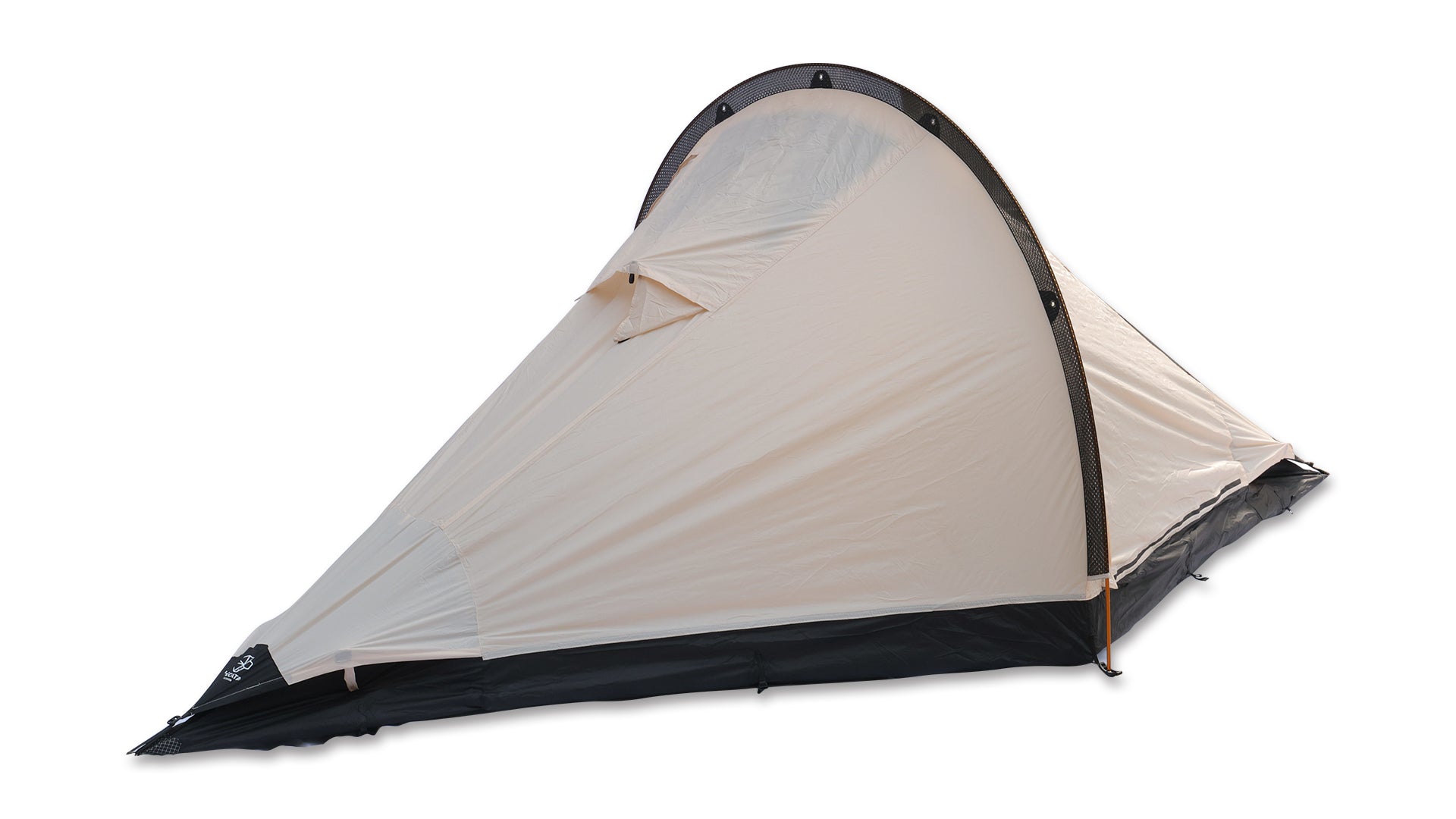
Finding what matters first
You want a rain fly that fits your tent and your nights—no drama, just shelter. Start by picturing your sleeping arrangement: single pad, couple’s spread, or gear piled at your feet. If you sometimes switch to a vehicle setup, consider how a car extended tent changes clearance and anchoring points. Decide on coverage, access, and whether you need vestibule space before you shop.

Match dimensions, not labels
Manufacturers list tent sizes in vague terms. Trust measurements instead. Measure your tent’s footprint length and width, then add the fly’s expected overhang: aim for at least a few inches on each side to keep splash away from the floor. For taller tunnel or cabin tents, confirm the fly won’t bind the poles; for low-profile solo shelters, a snug, taut fly is better than a loose one that flaps and channels water inward.
Materials and simple trade-offs
Ripstop nylon and polyester are common. Silicone or polyurethane coatings improve waterproofing but add weight. Heavier DWR treatments help in prolonged rain; lighter coatings dry faster and pack smaller. Decide if you prioritize weight for long carries or durability for repeated family trips. Seam sealing and reinforced corners matter more than a glossy fabric spec—inspect construction, not just the headline material.
Ventilation and condensation control
Vent placement is a practical choice tied to tent size and sleeping habits. Small tents with a single vent need a fly that allows a gap at the head or foot for airflow. Larger tents benefit from multiple vents to spread damp air away from occupants. Avoid covers that sit flush against inner mesh—air needs a path. If you frequently camp in cool, still weather, add a modest vestibule gap at night to reduce condensation build-up.
Anchoring, adjustability, and real-world perspective
Anchoring matters more than you think. Short guyline points and no adjusters will frustrate you in sticky weather. Choose flies with reinforced tie-outs and easy tensioners. From nights spent at Rocky Mountain trailheads, I’m mindful how quickly a poorly tensioned fly fails under shifting winds—on those trips I often paired my load with a car hatch tent to extend sheltered space without juggling too many stakes. That experience shaped my choices: durability and simple adjustability beat clever but fragile features.
Common mistakes to avoid
Buying by color or brand alone leads to regrets. Don’t assume a larger fly is always better—excess overhang can create wind-sails and pooling. Avoid flies with flimsy hardware; small clips and thin webbing are frequent failure points. Don’t skip testing the fly with your tent before a trip: poles, buckles, and guylines must align. If you use a vehicle adapter like a hatch or tailgate connector, confirm door clearance and seal points ahead of time.
Alternatives and quick comparisons
Full-coverage flies give vestibules and privacy, good for family tents. Partial flies or fly-only awnings save weight and improve views for solo or minimalist campers. Tarp shelters are flexible, cover more area, and require a higher skill threshold to pitch well. When choosing, list the core needs—sleeping space, gear storage, quick setup—and pick the option that matches most of them rather than chasing a single perfect spec.

Bringing it together
Think like a user: measure, test, and pick features that solve your real nights outdoors. A calm choice—one that balances coverage, ventilation, and durable anchoring—keeps you dry and untroubled. For a practical, tested combination of vehicle-adapted shelter and easy setup, I often look for solutions that blend sensible details and honest construction, which is the approach reflected in THECATAL.