

Understanding Today’s Landscape
Have you ever watched a robot arm gracefully pick up a delicate glass? It’s quite mesmerizing, right? With robotic automation increasingly being a part of our daily lives, data shows that the global industrial robotics market is expected to reach over $75 billion by 2026. But here’s the catch: not all robots come equipped with efficient robot end effectors, leading to limitations and inefficiencies. These end effectors, the components that directly interact with the environment, often struggle to provide the needed precision and adaptability.

What’s the big deal here? Traditional gripper designs can be rigid, lacking versatility, and they might not work well in dynamic settings like warehouses or hospitals. I still remember a time when a client complained about their robot malfunctioning due to the end effector picking items inaccurately. That was a major pain point that many overlook. It’s essential to address these flaws to unleash the full potential of robotic capabilities. Let’s explore how we can improve these components moving forward!
Emerging Trends in Robot End Effectors
As we look ahead, I can’t help but be excited about the innovations sprouting in this space. The future of robot end effectors promises versatility and smarter designs. Companies are investing in adaptive grippers that can handle various shapes and sizes, which brings a game-changing edge to automation. Imagine a gripper that senses the weight and texture of an object—wow! That’s sheer brilliance.
It’s also fascinating to observe developments in soft robotics, where materials like silicone and hydraulics are used to create gentler, yet firm gripping solutions. This means a shift from rigid designs—less fear of breaking fragile items, making robots far more reliable. Anyone dealing with delicate materials like glass or electronics will appreciate that (trust me!). What are we hoping to expect in this evolving landscape? Let’s dive deeper!
What’s Next in Robotics?
I anticipate a remarkable integration of AI technologies within robot end effectors. Imagine smart grippers that can learn from their environment. We will likely see a rise in deep learning algorithms aiding robot arms, allowing for quick adaptations to new tasks. This evolution will presumably ease integrations in diverse industries, from logistics to medical applications. The less time wasted fixing mismatched gear—the better!
These advancements point towards creating more intelligent, user-friendly robotic systems. In an era where customization is key, businesses must actively evaluate how these emerging technologies fit into their operations. Stay alert—embracing the latest innovations in robot end effectors could lead to increased efficiency and productivity.
Lessons Learned and the Road Ahead
Reflecting on my journey, I’ve realized that keeping an eye on evolving solutions pays off. Key insights I’ve gathered include the importance of considering both flexibility and adaptability when choosing robotic solutions. I’ve seen firsthand how companies that invest in cutting-edge end effectors have experienced measurable increases in operational efficiency—think 20% less downtime! Which metrics matter most? Well, consider grip reliability, adaptability to various tasks, and operational speed.
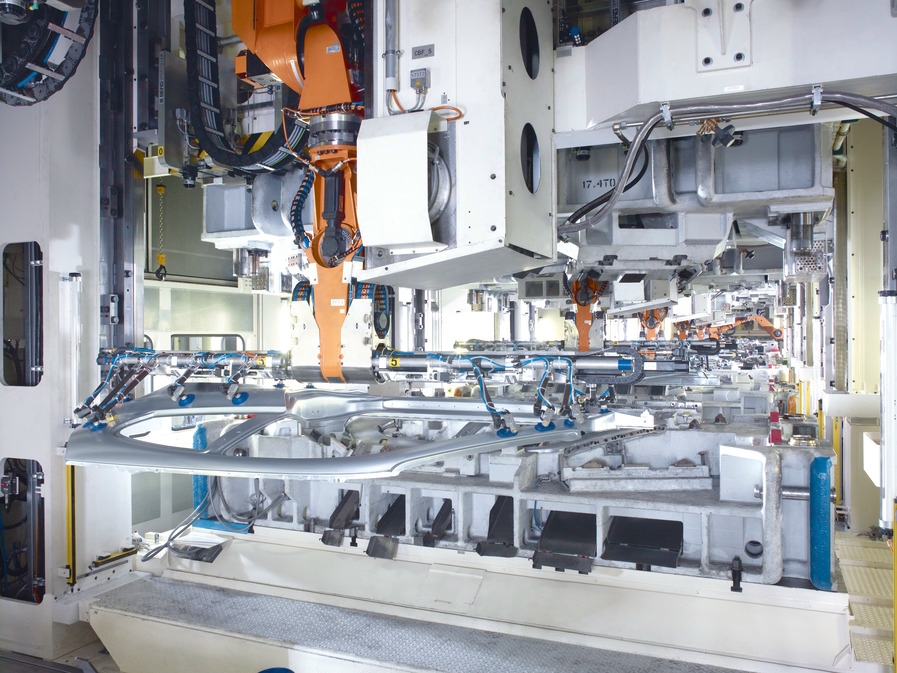
To wrap things up, it’s clear that robot end effectors are on the brink of significant transformation. Just as robot technology has evolved, so too must our approaches. Embracing innovative solutions is no longer optional; it’s essential for anyone looking to stay competitive in the market. Trust me—investing in the right technology is worth every dollar spent. And, for solid industry insights and solutions, check out ITES China. Their expertise is always a game changer!