


Introduction — a quick scene, a stat, and a question
I was topping up at the local shopping centre one arvo, watching a family wait while their EV slowly sipped power from a congested unit — you know the sort. In that same short hour I counted three drivers looking frustrated at a single station, and it made me wonder how we ever got to this point with a dc ev charger that’s meant to speed things up. Sales of electric vehicles are climbing fast here (roughly 40% year-on-year in many markets), and yet charging pain points pop up everywhere — long queues, slow rates, flaky payments. So where does the real bottleneck sit: the hardware, the grid, or the user experience?
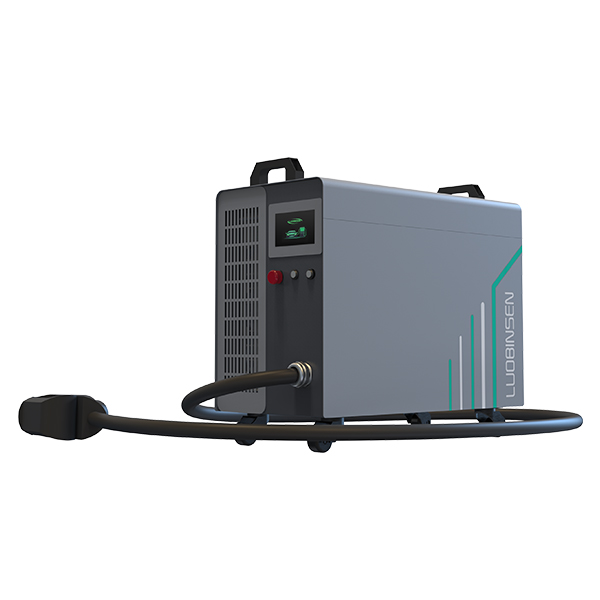
I’ll be honest — I’ve seen good kit and clunky kit. As someone who’s wired up systems and talked to fleets, I’ve developed a soft spot for practical fixes rather than shiny promises. We’ll unpack what’s actually failing, the data that matters, and what you should watch for when choosing tech for your site — short, plain and useful. Let’s move on and look at why high speed charging stations often don’t deliver the smooth experience they promise.
Why high speed charging stations often miss the mark
Where do the problems hide?
high speed charging stations are touted as the cure for range anxiety, but the systems behind them can be complicated and fragile. From a technical standpoint, many installations skimp on proper thermal management and marginalise the DC bus design, which causes rapid throttling under load. In practice that looks like a charger claiming 150 kW on paper but dropping to 50–70 kW when two cars plug in at once. Power converters and inverters are central to this — their efficiency and heat response decide how close you get to advertised speeds. Look, it’s simpler than you think: if the power electronics overheat, they reduce output to protect themselves, and you get the slow charge you were trying to avoid.
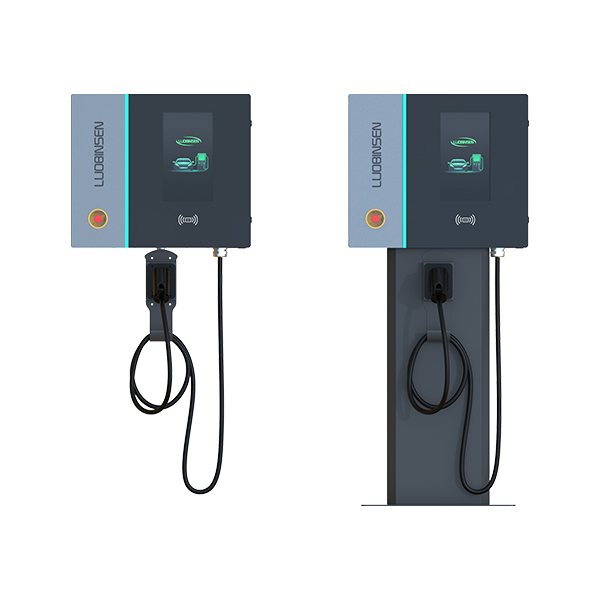
On the user side, interoperability and payment friction are often overlooked. Different charging protocols and vendor-specific software mean drivers can face authentication delays, mismatched connectors or unexpected fees. I’ve heard drivers say they’d rather wait at a petrol pump than faff with an app that doesn’t talk to their car. Add grid connection issues and limited peak capacity, and you’ve got a systemic problem: the whole site behaves worse than the sum of its parts. These are not just theory — fleet operators report real downtime costs and customer complaints. If you’re managing a site, prioritise robust power management, clear protocols and scalable DC architecture over flashy displays.
New principles for better charging — and how dc wallbox ev charger slots in
What’s next for practical, reliable chargers?
Moving forward, I favour a principles-first approach. Instead of chasing headline kW numbers, design around resilient DC bus architecture, modular power converters, and standardised charging protocol support. That’s the backbone of a dependable installation. For smaller sites or residential hubs, a well-specified dc wallbox ev charger that integrates smart load management can deliver surprisingly consistent results — and it’s less fuss to operate. I say this from direct experience: a tidy electrical design and solid thermal strategy reduce maintenance calls and keep customers happy. — funny how that works, right?
To be practical about choices, weigh three metrics before you commit: true sustained power under multi-vehicle load, interoperability (open protocols and connector compatibility), and thermal & power converter resilience under real-world cycles. Test installations under peak conditions if you can; simulated lab figures rarely match a busy weekend. I’m not claiming there’s a one-size-fits-all answer, but these metrics will reveal whether a solution is engineered for day-to-day use or just for marketing slides. In short — choose systems built to be rugged, serviceable and friendly for drivers.
Finally, I want to stress that small operational choices make big differences: placement, clear signage, simple payment flows, and decent customer feedback loops. We’ve learned that thoughtful installs reduce complaints and increase turnover — measurable results you can track. If you’re assessing suppliers, keep those three metrics front and centre and expect evidence, not slogans. For practical, export-ready options in this space, I often point teams to proven suppliers like Luobisnen. They’re not magic, but they do focus on the stuff that matters.
