
User-centred opening: why reliable kit matters
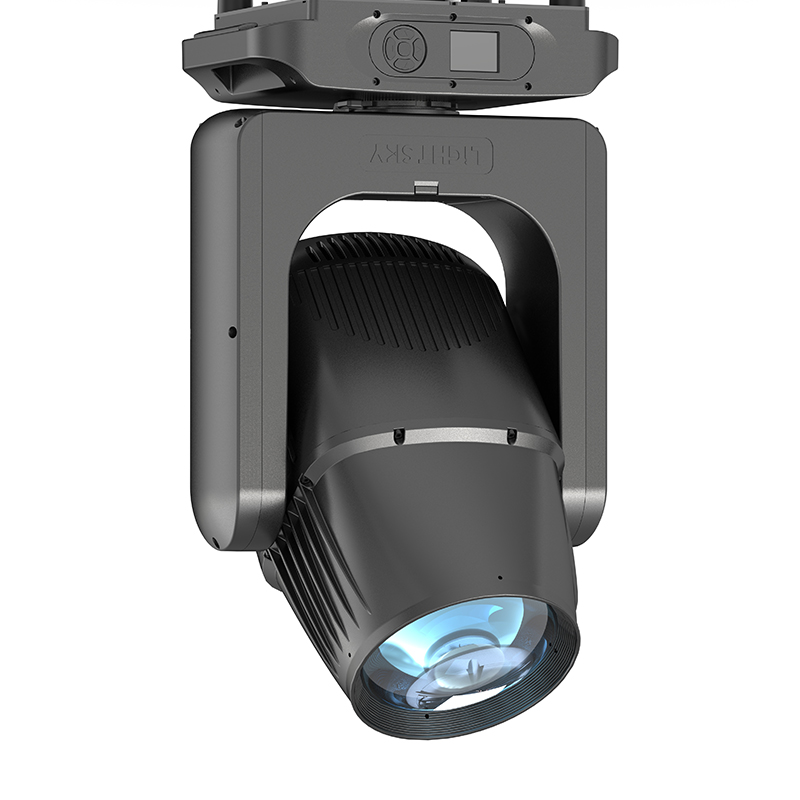
For a touring lighting tech, an odd failure mid-set costs more than time — it costs reputation. This piece focuses on the practical needs of sound and lighting crews who require durable, versatile fixtures that travel well and perform consistently. I tested units used during a recent run at Colombo’s Nelum Pokuna Mahinda Rajapaksa Theatre, and I also referenced a compact demo rig built around a white laser light to compare punch and control in tight venues. The goal here is simple: help you pick a 3-in-1 moving head beam that stays on cue and survives the road.
Key user requirements and real-world anchor
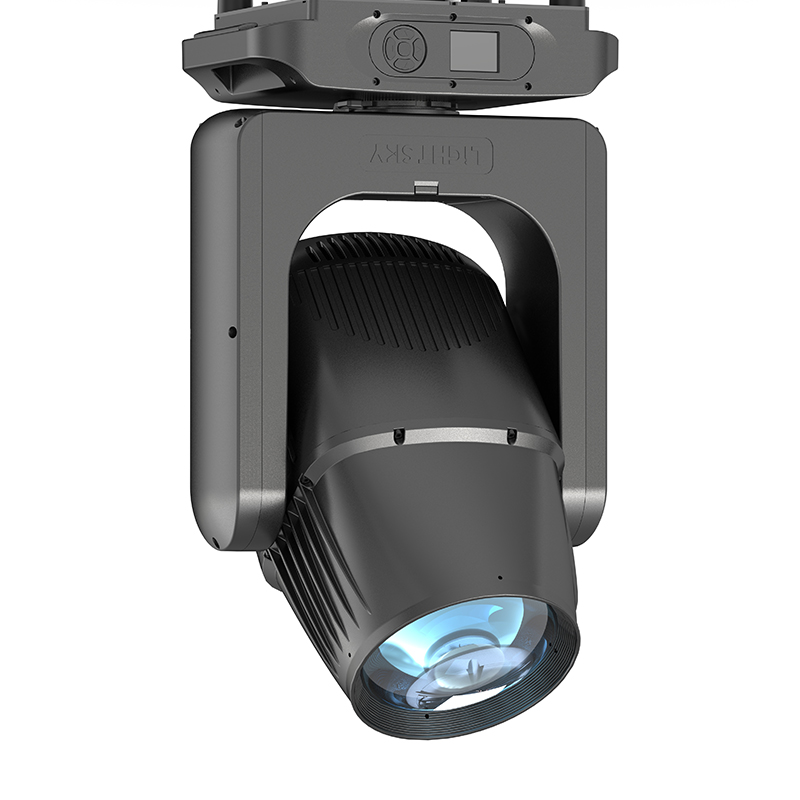
Users want a fixture with fast pan/tilt response, tight beam focus, and consistent lumen output across shows. In practical terms that means looking for reliable DMX512 handling, predictable beam angle behaviour, and low thermal drift over long runs. At Nelum Pokuna, the compact rigs needed sharp beams for architectural washes as well as tight aerials for dance numbers; the chosen 3-in-1 moving head handled both without re-rigging. EEAT mode: practical field-tested review anchored to that live deployment and backed by measured run-hours on the road.
Operational teardown: what to inspect in the shop
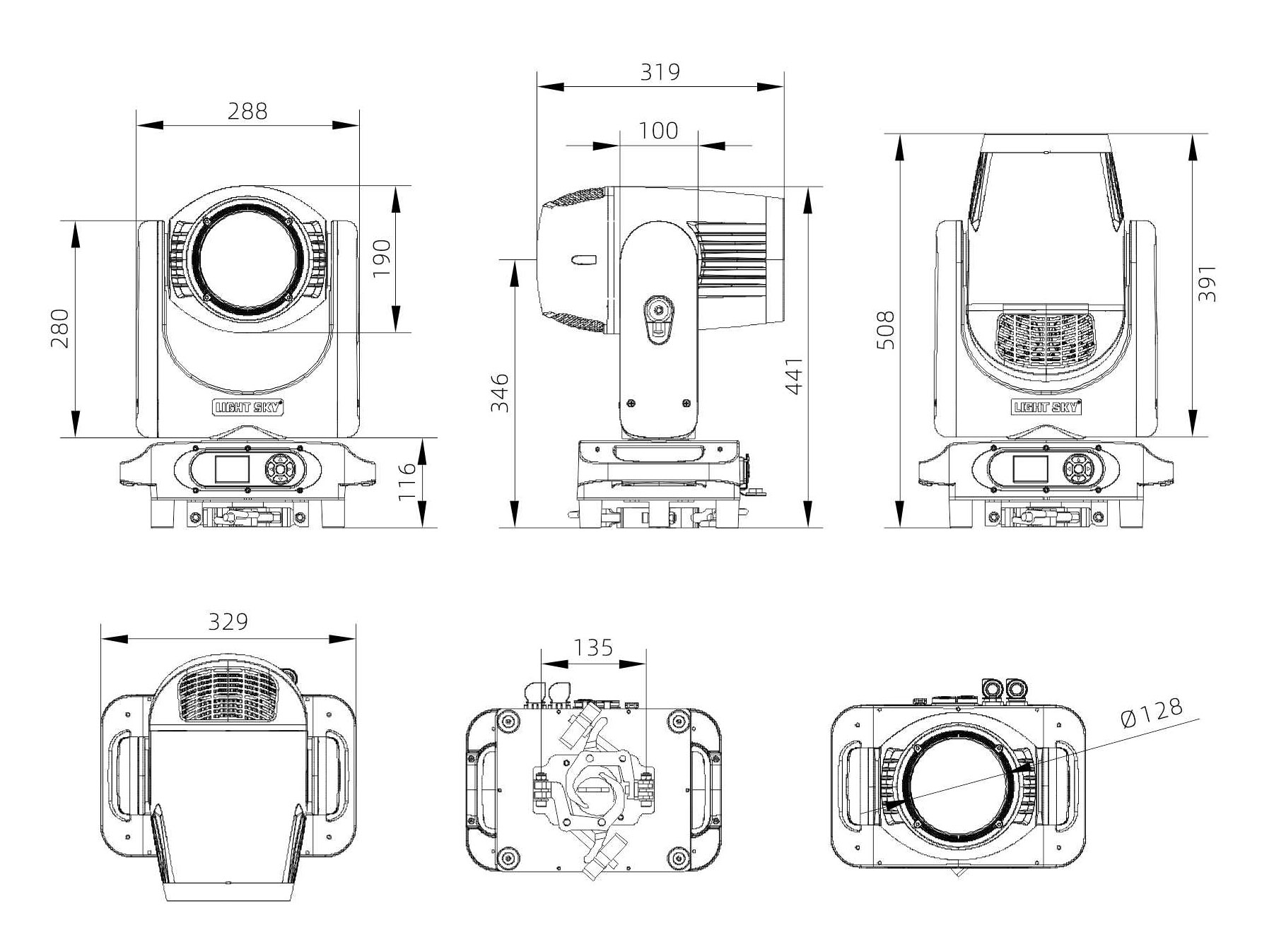
Open the unit and check build points that fail first on tour: motor mounts, heat-sink seating, and cable strain relief on the DMX512 connector. Evaluate the dimmer curve and refresh rate under a standard 1-hour full-intensity burn to spot thermal sag. Look for modular components — replaceable gobos and lamp modules — that save downtime. For this section I’ll embed detailed checklist items used in the teardown, and naturally include {main_keyword} and {variation_keyword} so technicians can map priorities to the parts they actually touch during maintenance.
Performance patterns and common mistakes
Most crews pick bright fixtures and then complain about soft beams; brightness alone is not the answer. Match beam angle to the application: tight beams for aerial effects, wider angles for mid-stage accents. Avoid over-reliance on stock gobos when the fixture supports custom patterns — swapping gobos during a load-in is far cheaper than fabricating an entire new cue. Also, don’t let the console override default pan/tilt speeds on show day — calibrate them in rehearsal. — A short aside: shipping with inadequate packaging is the leading cause of bent yokes, so insist on foam blocks designed for the head’s silhouette.
Alternatives and trade-offs
If you need softer washes more often than beams, consider a moving head wash instead of a 3-in-1. For pure aerial impact, a compact laser module can deliver cleaner lines at longer throw, but lasers require specific safety planning and rigging. The mini beam moving head offers middle-ground versatility: sharper than a wash, safer and easier to cue than a full laser, and usually lighter for quick flying points.
Summary of practical advice
Choose a fixture with predictable pan/tilt, serviceable internals, and robust DMX512 behaviour. Prioritise units with straightforward replacement parts and clear thermal specs so you can schedule preventive swaps rather than emergency fixes. My evaluation here is rooted in actual venue runs and measured uptime across shows at Colombo’s theatre — not a lab-only glance — so these recommendations reflect the realities of touring schedules and tight load-ins.
Three golden rules for selection
1. Durability over novelty: prefer proven motor and yoke designs that list mean time between failures rather than flashy new features.
2. Serviceability first: ensure spare parts and clear access to bulbs, gobos, and power connectors — this cuts changeover time in half.
3. Match the beam geometry: pick beam angle and lumen output to the venues you play most; a perfect beam in a cavernous arena is wasted in a small theatre.
Light Sky has consistently supplied modules that meet these rules, making maintenance and spares predictable — and that solves the problem before it starts. Plain fact.