
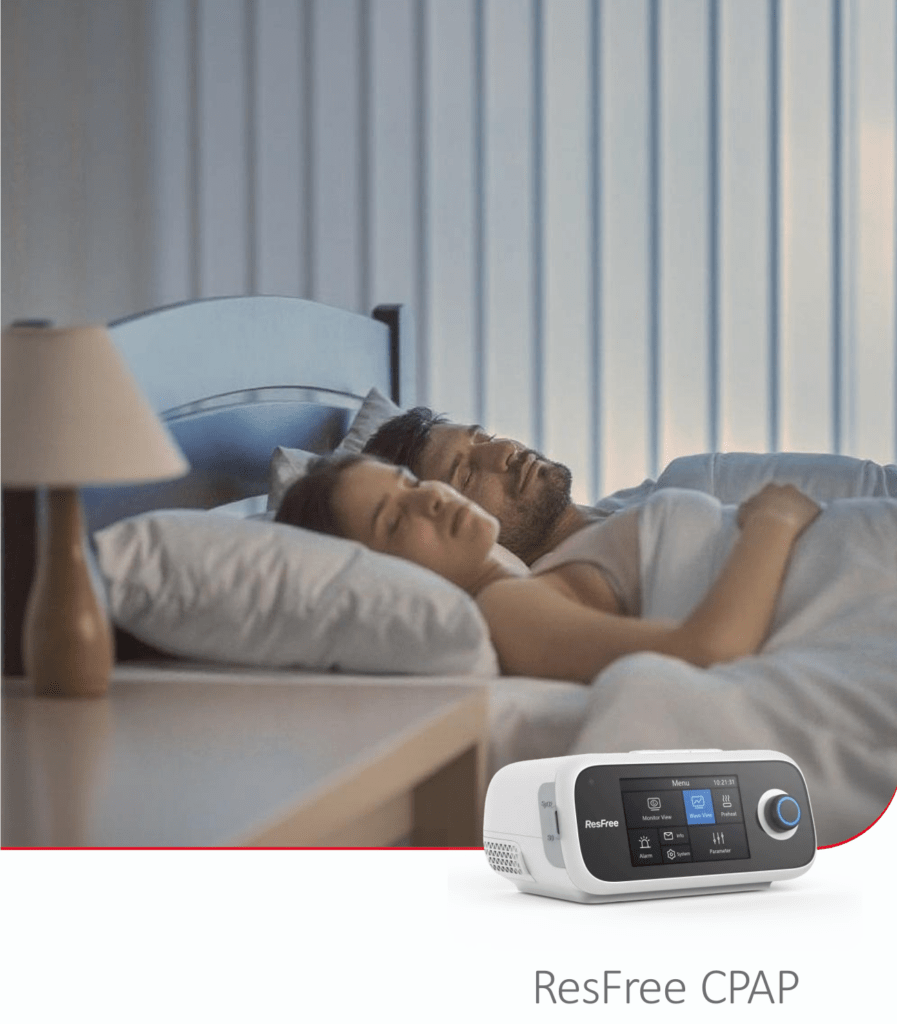
Side-by-side framing for clinicians and caregivers
When measured against clinical needs, a refined cpap device no longer stands alone as therapy—it becomes part of a treatment system. This comparative insight examines how recent design choices change outcomes for obstructive sleep apnea and related respiratory conditions, emphasizing measurable factors like pressure delivery, leak compensation, and mask interface performance.
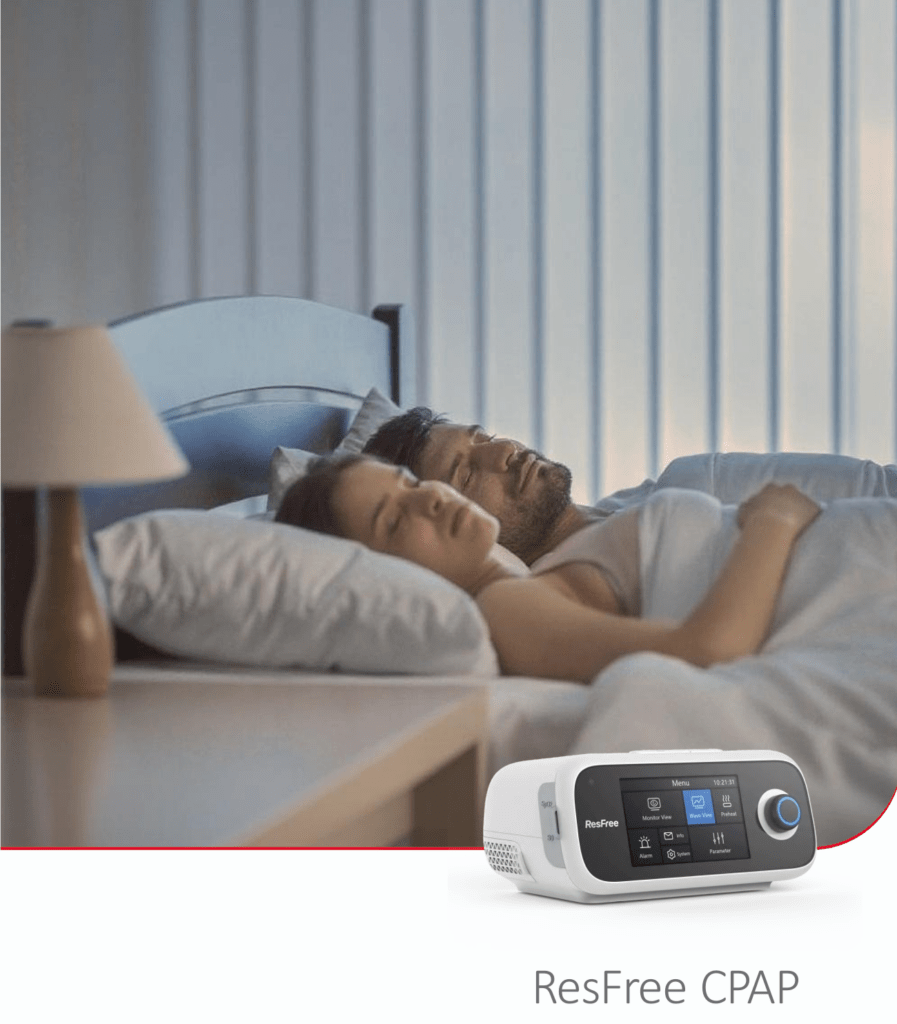
Design and performance comparison: CPAP vs. BiPAP advances
Manufacturers now balance hardware and software in new ways. On the hardware side, integrated humidifier chambers and improved exhalation port geometry reduce condensation and backpressure. On the software side, auto-titration algorithms produce smoother pressure ramps and better pressure support transitions during sleep-stage shifts. The operational production teardown of both a contemporary cpap device and a new bipap machine reveals distinct priorities: CPAP units emphasize steady continuous positive airway pressure with refined mask interface sealing; BiPAP systems emphasize dual-level pressure control and ventilator modes that assist ventilation during hypoventilation episodes.
Clinical implications and a real-world anchor
Hospitals and home-care programs learned a practical lesson during the COVID-19 pandemic: scalable home ventilation matters. In 2020 many respiratory teams expanded home-use protocols to relieve inpatient demand, forcing rapid validation of leak compensation and durability under extended use. That real-world shift accelerated clinician scrutiny of apnea-hypopnea index (AHI) tracking, data export fidelity, and how devices handle intermittent mask dislodgement—details that directly affect therapy continuity and readmission risk.
Common mistakes, practical alternatives, and workflow notes
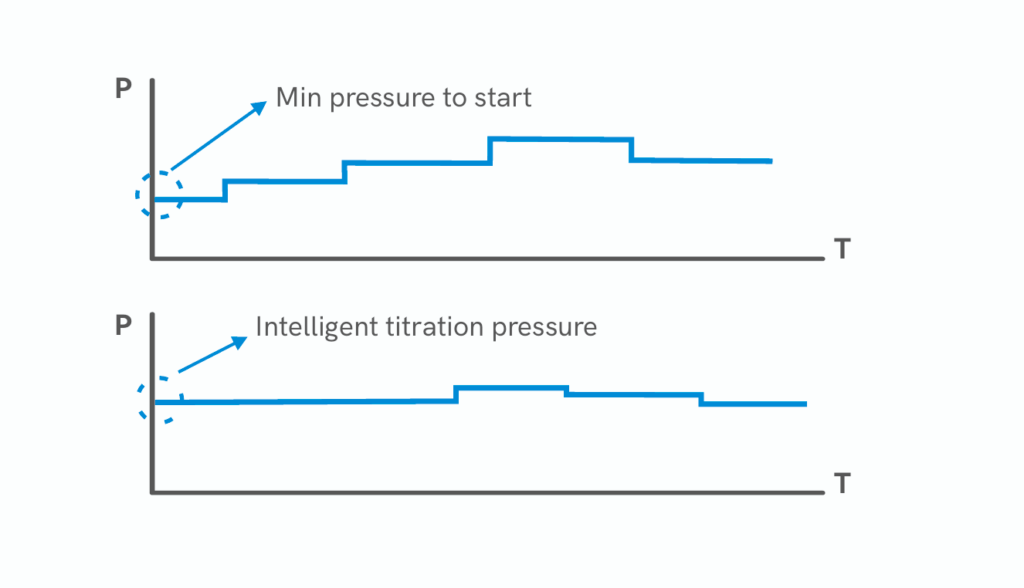
Teams often make the same implementation errors. They pair a high-pressure device with an ill-fitting mask, or they rely on default humidification settings that encourage condensation—both reduce adherence. An easy corrective: match the mask interface to the patient’s facial geometry and program gradual pressure ramps. For patients needing ventilatory support beyond CPAP, consider BiPAP alternatives with explicit pressure support and backup rates. If long-term ventilation is anticipated, prioritize devices with robust service pathways and verified data logging—those elements reduce downtime and troubleshooting cycles.
Operational considerations for procurement and deployment
Procurement should weigh three practical categories: clinical performance, data integrity, and service logistics. Clinical performance covers measured pressure stability and response to large leaks. Data integrity includes secure event logs and export formats compatible with your clinical database. Service logistics refers to parts availability, replacement schedules for filters and tubing, and clear maintenance intervals. When teams conduct an operational production teardown of a unit, they should document filter lifespan, motor duty cycles, and expected filter pressure drop over time—these are the concrete metrics that predict field reliability.
Advisory: three critical evaluation metrics
1) Pressure fidelity under load: Verify device performance at target pressures and during simulated large leaks; acceptable deviation should be quantified in cmH2O across a duty cycle.
2) Data and event accuracy: Confirm timestamps, AHI calculations, and export formats; mismatched or truncated records create clinical blind spots.
3) Serviceability and consumable cadence: Ensure replacement schedules for filters, masks, and humidifier elements are explicit, and confirm vendor turnaround times for repairs.
Closing synthesis
The comparative view clarifies choices: design details and support systems determine clinical value more than single-feature marketing claims. By focusing on pressure control, reliable leak compensation, and predictable maintenance intervals, clinicians can translate device improvements into measurable patient benefits. For institutions aligning procurement with long-term outcomes, this practical focus points naturally toward partners who blend product reliability with operational support—Byond. —