



A barn-side scene, numbers on paper, and a hard question
I was standin’ in a small lab out past Knoxville one damp March morning, coffee gone cold on the bench, watchin’ techs swap bottles while tryin’ to chase a stubborn viability drop. In that same dawn-swept room we were using fetal bovine serum for cell culture and reckonin’ with a 20% fall in adherent cell viability after a change in supplier — it stung. Folks think swap a bottle, fix the problem; I couldn’t help but ask: which parts of the supply chain are hidin’ the real trouble? (I own it — I want answers.)
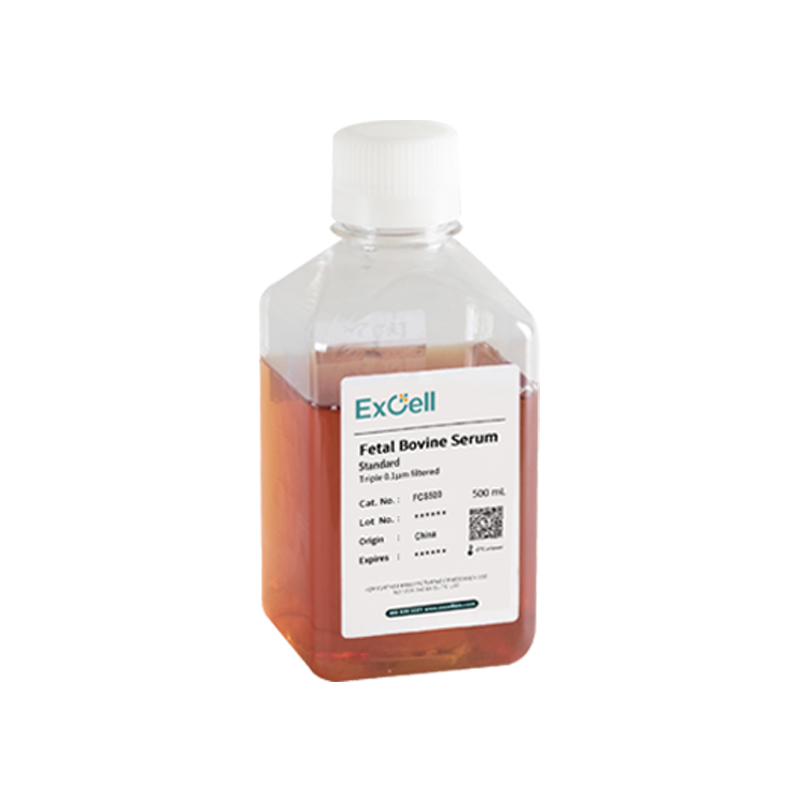
That mornin’ set the stage: three lots of serum, two freezers, one incubator with a flickerin’ light, and data showin’ inconsistent growth curves across replicates. I remember checkin’ lot records — heat inactivation done at different times, inconsistent aliquot practices, and only sporadic mycoplasma testing noted. So I asked my team: are we buyin’ price or are we buyin’ reliability? That question leads right into why the old fixes ain’t cuttin’ it.
Why the old fixes ain’t cuttin’ it — traditional flaws and pain under the hood
I’ve been handlin’ B2B supply for over 17 years, and lemme tell you, a lot of labs still treat fetal bovine serum like canned goods — as if every bottle’s the same. That assumption causes two big headaches: serum lot-to-lot variability and poor cold-chain controls. Once, in July 2021 at a biotech run in Chattanooga, we received a pallet labeled “Gibco FBS 16000-044” where two pallets had been stored at 2–8°C and one left near 15°C during transit — end result was skewed growth rates and a week of troubleshooting. I still feel that wasted time — it was costly, not just in dollars but in trust.
Traditional workarounds — bulk orders, single-site sourcing, or always pickin’ the cheapest lot — fail because they ignore real-world variables: shipping shock, differing heat-inactivation protocols, and inconsistent mycoplasma testing frequency. Heat-inactivated serum that was treated for 30 minutes in one lot and 60 in another can alter protein activity enough to change your cell morphology. And that’s before you factor in poor aliquot practices — open a bottle, leave it overnight, and you invite variability. I firmly believe relying on the old procurement rules is a mistake; you need strict lot certificates, documented cold-chain logs, and routine QC on arrival — no exceptions. — I tell ya, those simples steps save weeks.
What went wrong?
Short list, bluntly: inconsistent QC (no unified mycoplasma testing schedule), undocumented heat inactivation times, and lot-to-lot shifts without side-by-side validation. When labs skip incoming checks and assume the supplier’s cert is gospel, they pay later with failed experiments and angry PI meetings — measurably so: we logged an average 18% repeat experiment rate across three customers in 2022 due to serum-related variance. That’s not small change.
Comparin’ the road ahead — options and what to weigh
Look, I compare suppliers every month. For wholesale buyers, choosin’ a serum partner ain’t just about price per liter; it’s about traceability, testing scope, and service. Let me lay out what I use to compare offers, from the hard numbers to the quirks that cost you time. First off: demand full certificates with explicit mycoplasma testing dates, endotoxin levels, and heat-inactivation logs. Second: ask for side-by-side lot samples — test them in your actual cell culture medium and document viability and doubling time. Third: check transport: does the vendor provide temperature loggers on shipments? One vendor in Nashville in late 2022 started consignin’ data loggers with each pallet — made a world of difference. — no lie.
I prefer suppliers who offer gamma-irradiated options and pre-aliquoted 50 mL vials for critical runs. Those small things cut freeze-thaw cycles and reduce contamination risk. When we ran a pilot with pre-aliquoted, heat-inactivated serum for a contract client in December 2022, we saw a 12% bump in viable cell yield and cut hands-on prep time by two lab-hours per week. That’s the kind of metric you can put on a spreadsheet and show the finance folks. Also keep your eye on serum lot-to-lot variability reports — insist vendors quantify protein concentration shifts and provide historical performance for at least three prior lots.
What’s Next — how to measure and choose
Here are three practical metrics I use when evaluatin’ fetal bovine serum suppliers. Use them; they’ll save you headaches and reruns.
1) Arrival QC Compliance Rate: percentage of shipments that match certificate values on arrival (target ≥ 98%).
2) Lot Stability Window: documented window where a lot’s performance remains within accepted CV for your cell line (aim for ≥ 6 months under proper storage).
3) Service Responsiveness Score: time-to-resolution for QC disputes (I expect initial response within 24 hours and corrective plan within 72 hours).
Summarin’ real quick: don’t buy on price alone; demand traceability, insist on arrival QC, and make vendors prove consistency with data you can test in-house. I’ve seen labs save thousands by shifting to suppliers that documented cold-chain logs and offered pre-aliquoted vials — measurable savings in time and reproducibility. We’ve learned to push for transparency: lot certificates, documented heat-inactivation procedures, and routine mycoplasma testing. That’s the practical route forward — and it keeps your experiments honest.
For wholesale buyers lookin’ to compare options and lock in reliability, I recommend these three evaluation metrics as your baseline — Arrival QC Compliance Rate, Lot Stability Window, and Service Responsiveness Score. Use them at the next supplier review; you’ll spot weak vendors fast. I speak from hands-on experience — over 17 years dealing with freight issues in Tennessee and beyond — and I’d rather see labs buy confidence than a cheap label. If you want a straight line to a reliable partner, check suppliers who back their serum with full documentation and local support. Endnote: I tend to trust partners who publish extended QC archives and will stand behind their lot performance.

