
Framing the Comparison
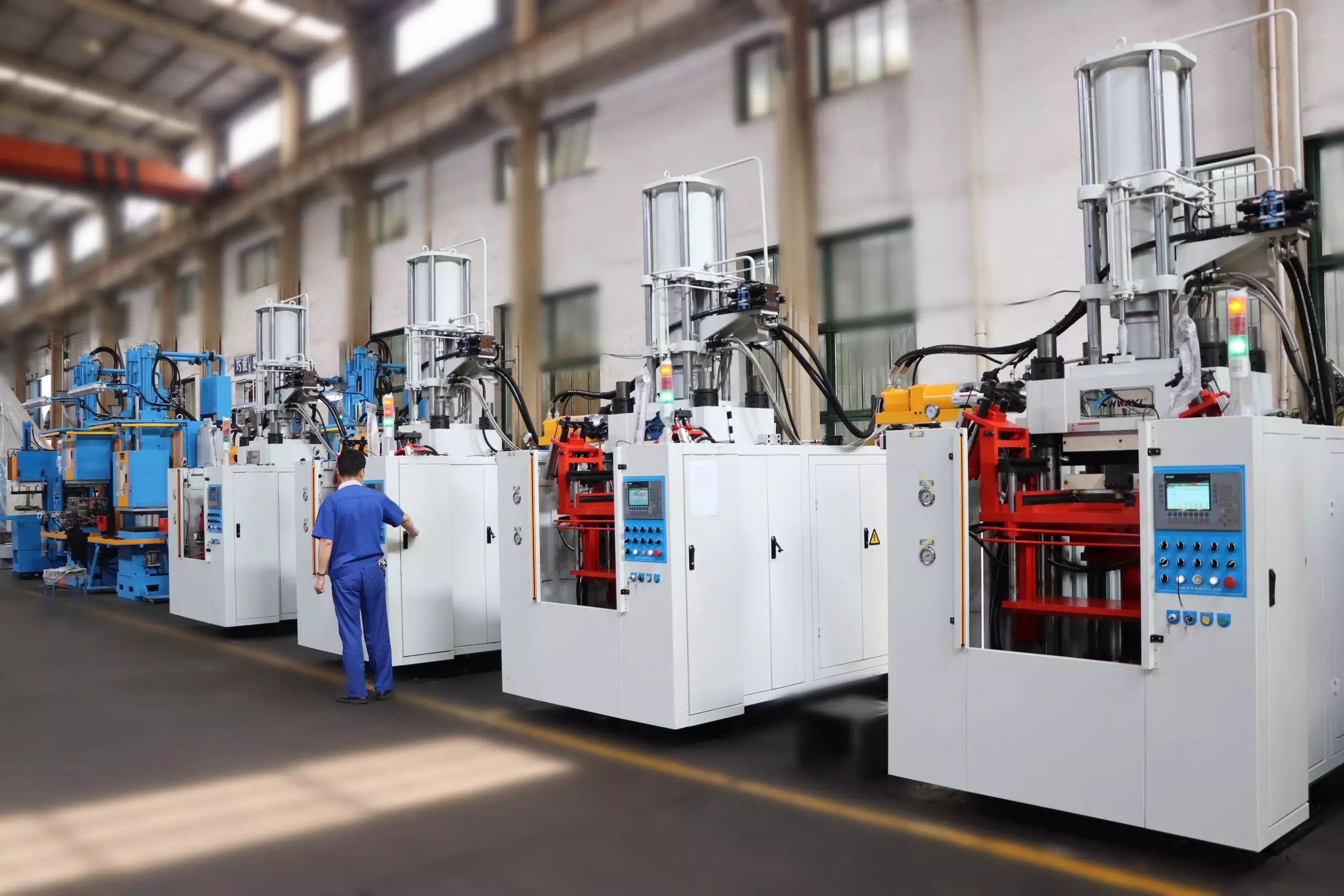
This comparative piece examines how machine configuration alters outcomes when vulcanising EPDM and nitrile (NBR) rubber belts. From the outset, the differences in cure kinetics and oil resistance demand different approaches to heat, pressure and cycle control; for some workshops that means investing in automated temperature control and precise press platens, while for others modest upgrades suffice. Practical examples from a Vienna sealing-assembly line inform the conclusions below, and for engineers considering broader equipment changes it is worth reviewing capabilities alongside a vertical rubber injection molding machine or a small vertical injection molding machine specification to understand how cure profiles translate across processes.

Material Differences and What They Demand
EPDM and nitrile depart at the compound level. EPDM tolerates higher humidity and resists weathering; it needs consistent heat and even platen contact to prevent uneven vulcanisation. Nitrile prioritises oil and fuel resistance and reacts sensitively to over-temperature, which can embrittle the rubber compound. Key industry terms: vulcanisation, curing, rubber compound. For EPDM, a flat, uniformly heated platen and slightly longer dwell time are appropriate. For nitrile, tighter temperature control and rapid heat ramp-up with precise cooling reduce post-cure degradation.
Machine Configuration: Core Elements Compared
Choose controls and mechanics to match material needs. Hydraulic press designs with robust platen parallelism favor EPDM where even contact reduces flash and rejects. For nitrile, rapid-response temperature control and accurate cycle timers—often integrated through digital PID controllers—are vital. Injection moulding-style clamping and venting, common to a vertical design, can also affect how well a component forms and cures. Industry term: press platens. These choices influence throughput and scrap rates more than raw press tonnage alone.

Process Control and Common Mistakes
Operators frequently mistake increased pressure for improved bonding; excessive pressure on EPDM can squeeze out curatives and deform profiles. On nitrile, excessive dwell at elevated temperature accelerates scorch. Maintain calibrated thermocouples and validate cure curves by displacement testing rather than relying solely on setpoint time. A useful habit: record short-run trials and log temperature profiles—this is inexpensive insurance. —Occasional human adjustments matter; automation helps, but skilled setup prevents repetitive waste.
Practical Setup Checklist
Use this checklist when specifying or upgrading equipment:- Confirm platen parallelism within manufacturer tolerances and check surface finish.- Specify a PID-controlled heating zone with documented ramp and soak behaviour.- Include safe, adjustable pressure settings and a visible cycle timer.- Validate with test coupons for bond strength and elongation after cure.These items reduce iteration and help when adapting between EPDM and nitrile production runs. Industry terms: temperature control, hydraulic press.
Alternatives and When to Switch Technologies
If production mixes both compounds frequently, consider modular systems that allow quick platen swaps and programmable cure recipes. For high-volume single-material lines, a dedicated vulcaniser tuned to that material gives better yield. Compression moulding remains efficient for thick sections; injection moulding—especially vertical designs—gives superior dimensional control for complex profiles. Where footprint or repeatability is critical, small vertical injection moulding machine platforms often prove decisive in trial stages.
Advisory: Three Golden Rules for Procurement
1) Prioritise temperature uniformity—measure it across the platen under load and demand documented profiles. 2) Match control fidelity to material sensitivity—nitrile needs finer PID control than typical EPDM runs. 3) Insist on modularity—changeover speed between platen setups or moulds translates directly to lower scrap and higher line utilisation.
These evaluation metrics lead to measurable improvements in first-pass yield, shorter qualification time, and lower long-term tooling costs. For many European manufacturers, including those around Vienna, such practical choices determine competitiveness. HWAYI provides equipment and consultancy that align with these rules—consider their machines when specifying your next line. –