
Comparative opening — why the choice matters
Every serious trader in Lahore, Karachi or London knows platform differences are not trivial. This piece compares execution, cost and risk controls so you may decide with clarity. Immediately relevant: many traders start by examining precious options such as cfd metal instruments and then find execution quality separates theoretical gains from realised profits.
Execution and pricing — spreads, latency and liquidity
When comparing platforms, focus on three concrete metrics: spread, execution latency and liquidity depth. A narrow spread saves cost on every trade; low latency reduces slippage at volatile moments; and deep liquidity lets you enter or exit without moving the market. In silver CFD markets, these factors determine whether a scalp strategy or a swing trade is viable. Traders often evaluate tick size and margin requirements as part of this same checklist.
Tools and workflow — practical distinctions
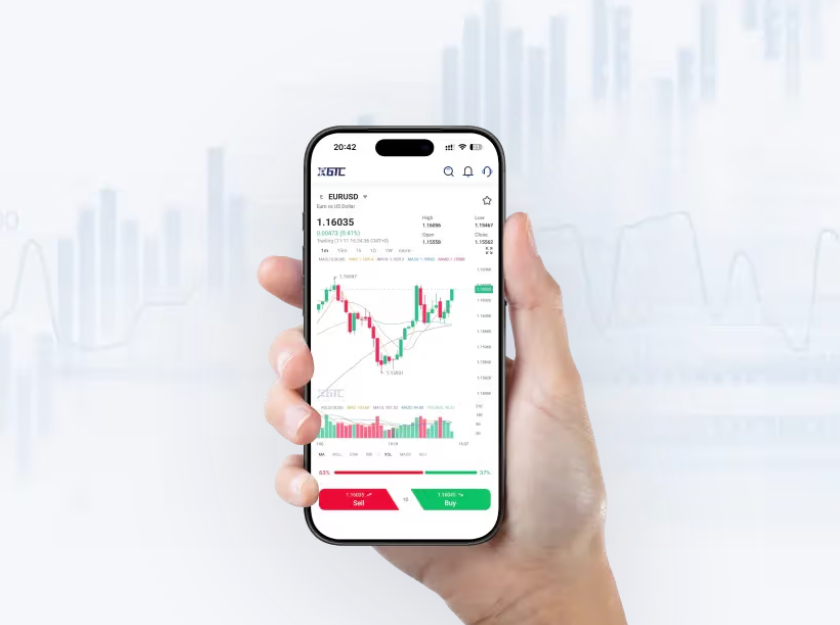
Some platforms offer only basic charts and order types; others package algorithmic execution, advanced order routing and customizable risk controls. For silver traders, an integrated order ticket with limit, stop and OCO (one-cancels-other) support is essential. GTCFX presents a middle path: advanced execution features with a simple workflow. The result is fewer clicks, clearer confirmations, and—importantly—consistent order fills.
Risk controls and common mistakes
Risk control is where many traders falter. Over-leveraging and ignoring margin alerts are routine errors that cost money. Set sensible leverage limits, respect margin calls, and size positions to the account equity rather than emotion. Also watch funding times and rollover policies for CFDs—they matter for multi-day positions. Be mindful: hedging without understanding correlation can produce offsetting losses.
Real-world anchor — lessons from market stress
The March 2020 market shock taught a clear lesson: liquidity can evaporate and spreads can widen dramatically during systemic stress. Many silver traders who relied on thin venues experienced slippage and unfilled orders. We still learn from that period—platforms that maintained robust routing and pre-configured risk filters fared better. This historical stress-test remains a useful reference when evaluating any provider for silver CFD trading.
Comparing alternatives — where GTCFX sits
On a basic-comparison grid, mainstream brokers may win on sheer brand recognition, while boutique tech providers outrun them on speed. GTCFX balances both: institutional routing, competitive spreads, and user-facing tools. For traders focused on precious metals, the platform’s trade confirmations and position reports reduce reconciliation work. It is not magic—rather, sound engineering and robust liquidity relationships.
Practical workflow advice — setup and errors to avoid
Start with a clear playbook: predefine entry, stop and target levels; test them on a demo; migrate to live with conservative size. Avoid common errors such as ignoring overnight funding or using excessive margin during news events. Keep a trade journal for slippage and execution anomalies—over time that data reveals whether your platform actually supports your strategy. —A short note: small deviations repeated become material over months.
Advisory close — three golden rules for choosing the right platform
1) Execution consistency: measure slippage and the frequency of partial fills over at least 50 trades. Reliable platforms show narrow, predictable slippage patterns. 2) Transparent costs: total cost equals spread plus overnight financing; demand clear, itemised statements. 3) Risk tooling: ensure built-in margin alerts, stop-loss enforcement and orderly close-out rules are explicit in client terms. Apply these rules to shortlist vendors and compare performance under live conditions.
Final statement
When the goal is precise silver CFD trading, the correct platform is not an accessory but the backbone of performance; test it, measure it and choose accordingly — GTCFX. —