
Problem first: why heating fails to scale
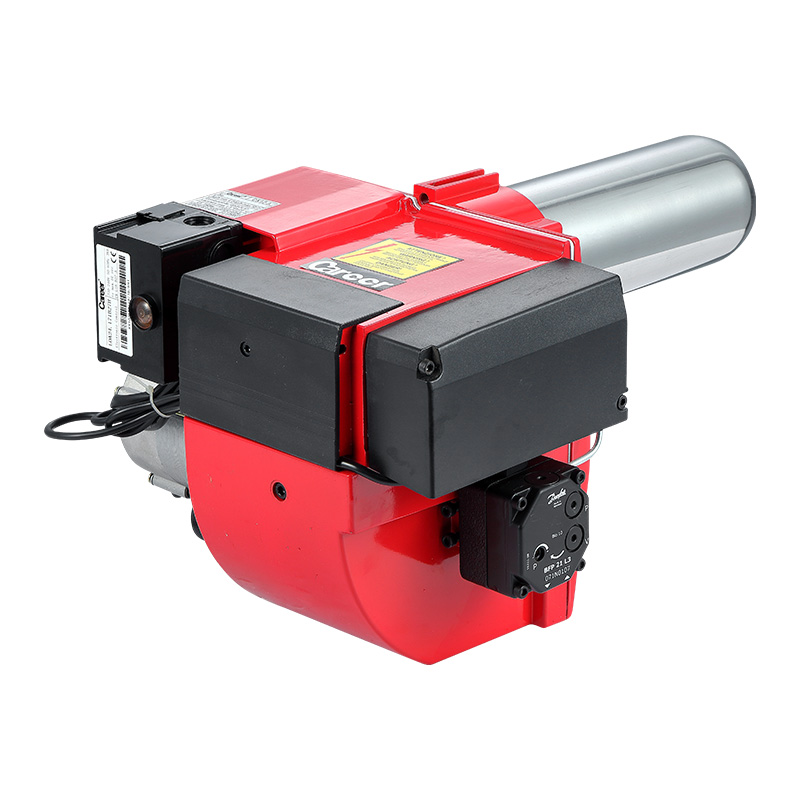
Plants need heat that can grow with demand. Often equipment chosen for day-one looks cheap, but later becomes the bottleneck. You find fluctuating output, long warm-up, high maintenance. Many teams try simple fixes, like uprating a boiler, or swapping to an industrial oil burner without checking capacity, controls, or fuel logistics. That quick move only hides the core mismatch.
What causes mismatch — the real issues
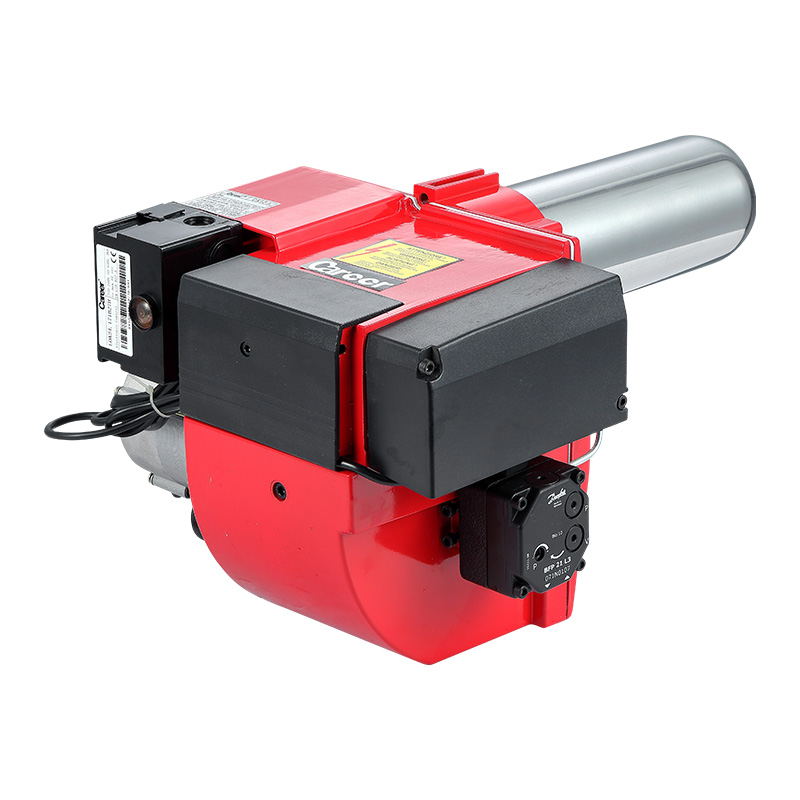
Capacity planning wrong. Controls not matched to burner turndown. Combustion air and flue geometry ignored. Fuel supply variable. Service access poor. Each problem reduces reliability and raises fuel use. Solve one, another appears. This is why the problem-driven view: find the weakest link, then fix system-wide. Small parts matter as much as the burner itself.
Technical essentials to check
Start with numbers. Required kW or BTU, peak and base loads. Turndown ratio needs to cover low-demand operation without short cycling. Control interface must speak to plant DCS or PLC. Verify combustion head, nozzle sizes, and fuel pump pressure for oil systems. Make sure exhaust and stack sizing follow local codes. Test for excess air and CO with a combustion analyzer during commissioning. Do these checks before buying.
Alternatives and trade-offs
Gas burners: cleaner stack, fast modulation, but need reliable gas supply and pressure control. Oil burners: robust for remote sites and higher energy density, but need fuel handling and regular nozzle servicing. Electric heaters: compact and clean at point of use, but cost depends on grid and tariffs. Hybrid approach often works: primary burner for peak and electric for low-load swings. Choose by fuel reliability, operational cost, maintenance capability, and space.
Common pitfalls and how to avoid
Buying by headline power only. Ignoring turndown and controls. Underestimating maintenance intervals. Skipping combustion testing after install. Overlooking local fuel quality or storage regulations. Avoid these by insisting on a pre-install checklist, commissioning test plan, and a service contract that includes nozzle checks and combustion tuning. Train onsite staff to do simple daily checks: flame pattern, pump pressure, and smoke level.
Real-world anchor: installation insight from Thai industrial belt
On Thailand’s Eastern Seaboard industrial estates I saw how a well-chosen burner changes plant uptime. Plants that matched burner turndown and automated draft control had fewer shutdowns and cleaner flue readings. For many retrofit jobs, teams chose commercial oil burners because fuel logistics were predictable and service parts were local. This practical field work taught simple rule: specification must match operating profile, not vendor brochure.

Implementation checklist — step-by-step
1) Measure load profile for 24–48 hours. 2) Define turndown and peak margin. 3) Specify controls and communication protocol. 4) Confirm fuel quality and supply chain. 5) Design combustion air, flue, and access for maintenance. 6) Commission with professional combustion analysis. 7) Log first 90 days and adjust nozzle, draft, or control setpoints. Follow this and surprises are small.
Final synthesis
Start from the problem, not the product. Match burner capability to real load, plan maintenance, and test combustion. When teams do this, they get steady heat, lower fuel waste, and fewer emergency fixes. For practical parts and proven units, consider the options listed and remember local experience matters when choosing equipment like those supplied by Career Burners.