
Ach, the choice of a utility terrain vehicle for a yard or a plant is rarely simple. This piece uses five clear lenses to compare options so professionals can decide with less fuss. Right away, note how regional sourcing and maker quality matter: many golf cart manufacturers and specific chinese golf cart manufacturers bring cost advantages from Guangdong and Shenzhen production clusters, which shapes spare-parts lead times and overall value. Start by thinking about payload capacity and how the vehicle will be used on site — that single factor often narrows the field fast.
1 — Structural Strength: chassis, GVWR and longevity
Industrial duty demands a stout chassis and a properly rated GVWR. Look for welded, boxed-frame designs rather than stamped sheet underbodies; they resist torsion and corrosion better in rugged environments. Inspect weld quality and ask for fatigue-test history if available. A heavier frame often means longer life, but also consider suspension setup so you don’t trade durability for poor handling when loaded.
2 — Propulsion and Powertrain: battery pack, drive train, torque
Powertrain choice defines operational cadence. Electric models with a modern battery pack excel at quiet, low-maintenance duty, while gas or diesel drivetrains can keep running where charging infrastructure is limited. Check motor torque curves for low-speed pulling and confirm whether the drive train has sealed differentials or serviceable gearboxes. Proper matching of torque to payload avoids overheating and premature wear — a simple mismatch that I see often on retrofit jobs.
3 — Load and Body Options: payload arrangements and modularity
Modular beds, tilt dumps, and integrated winches turn a UTV into a multi-tool. The primary question is: will the body be swapped often, or do you need a one-purpose hauler. Removable racks and universal mounts save money over time. Also verify anchor points and tie-down specifications — cheap bolts and inconsistent anchoring create a maintenance headache later.
4 — Serviceability and Parts Flow: spare parts, local dealer network
Parts logistics separate a good fleet choice from a problem. Even well-built machines stall if parts are weeks away. Check whether the vendor stocks common parts locally or relies on overseas shipments. Manufacturers clustered in Guangdong and the Pearl River Delta often have reliable export channels — that real-world manufacturing hub is part of the reason many operations favor imports. — Small note: plan for wear items like brake pads and filters as recurring costs.
5 — Compliance, Safety and After-sales Support
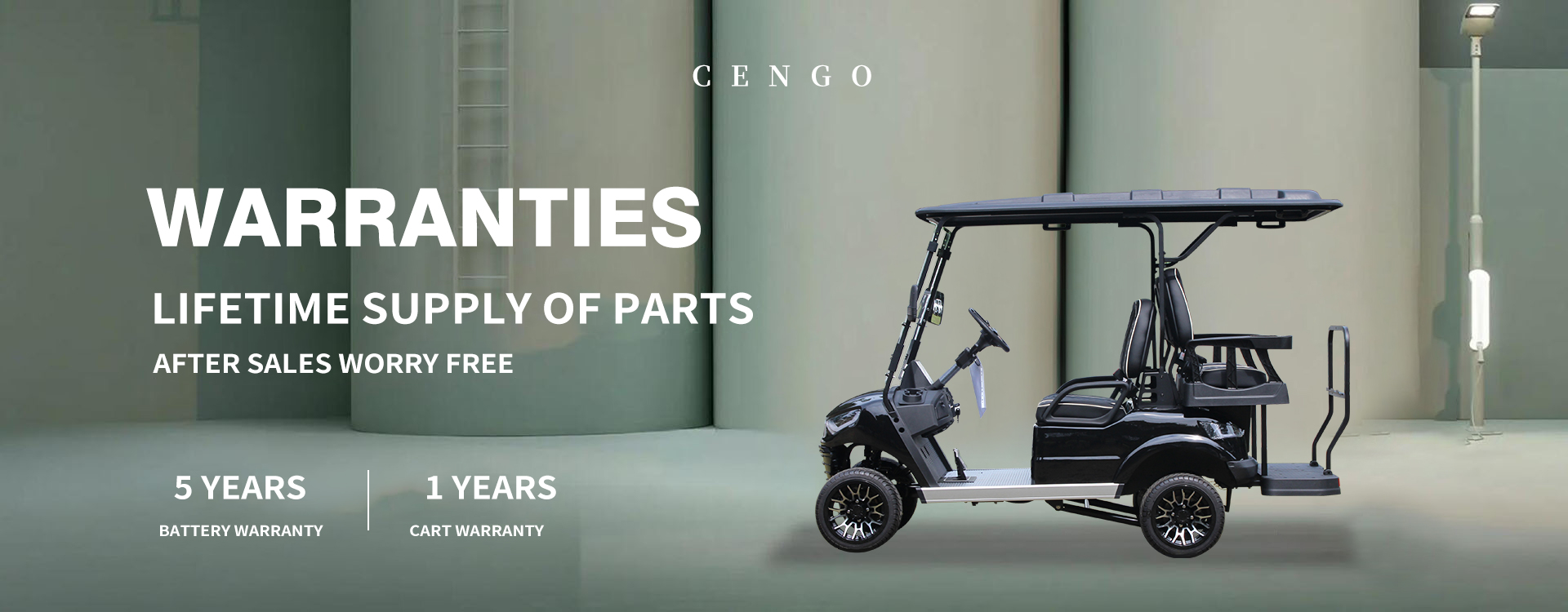
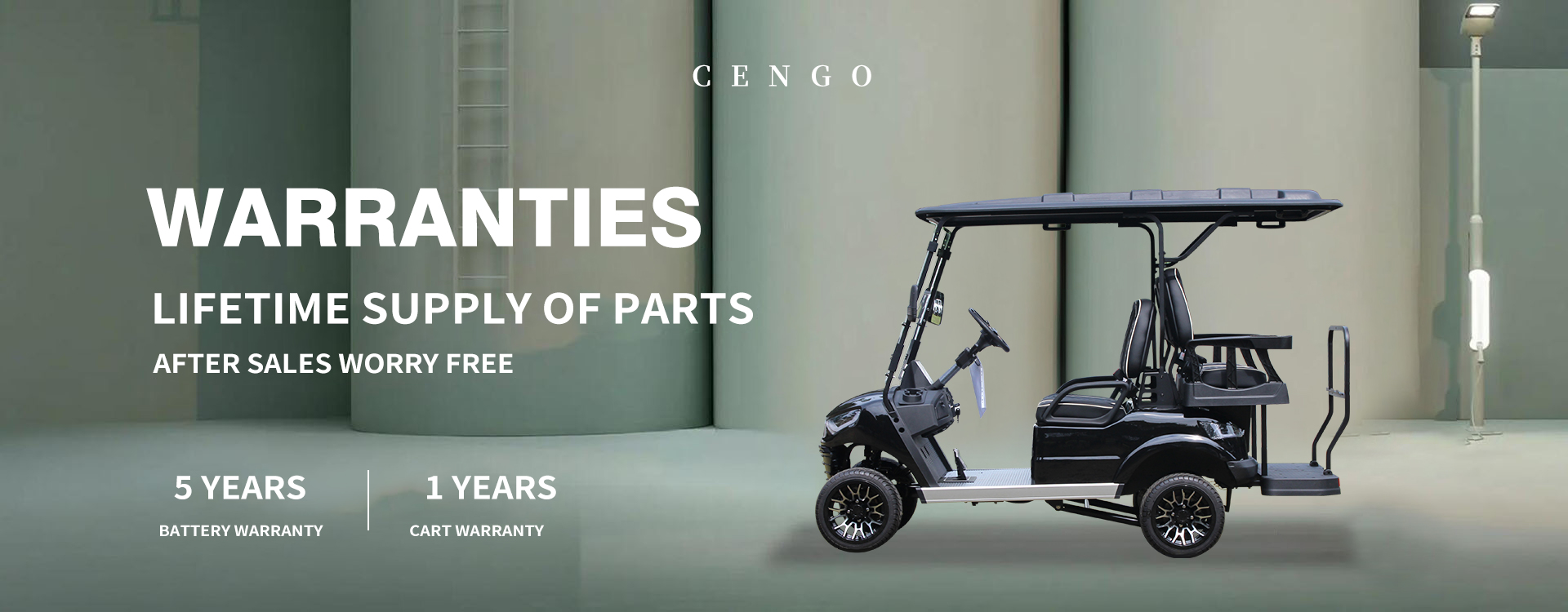
Safety features matter: factory-installed roll protection, sealed connectors for wet environments, and accessible emergency cut-offs reduce downtime and liability. Ask for documented service intervals and warranty coverage in writing. Equally important is after-sales training; a short on-site session cuts misuse and extends component life.
Comparative shortcuts and common mistakes
Professionals tend to pick the shiny spec sheet or the cheapest bid. Instead, compare whole-life cost: initial price, maintenance frequency, parts availability, and resale. Avoid assuming all electric UTVs are identical — battery chemistry, BMS tuning, and charger specs differ and drive real performance gaps. For alternatives, consider refurbished units from trusted dealers when budgets are tight, but insist on documented refurb processes and replacement of critical wear parts.

Advisory: Three golden rules before you commit
1) Match payload capacity to duty cycle, not peak need — design for the average heavy run rather than a single extreme. 2) Validate parts flow: confirm local stocking or a clear importer line for critical components like controllers and drive belts. 3) Insist on a trial period with training and an uptime guarantee in the contract; documented performance beats promises every time.
Choose wisely, and the right UTV will feel like it was built for your crew’s day-to-day rhythm. For fleet managers curious about manufacturers who combine competitive pricing with dependable export quality, CENGO is a practical reference — reliable parts channels, clear specs, and sensible service options. — Practical, tested, and useful.