
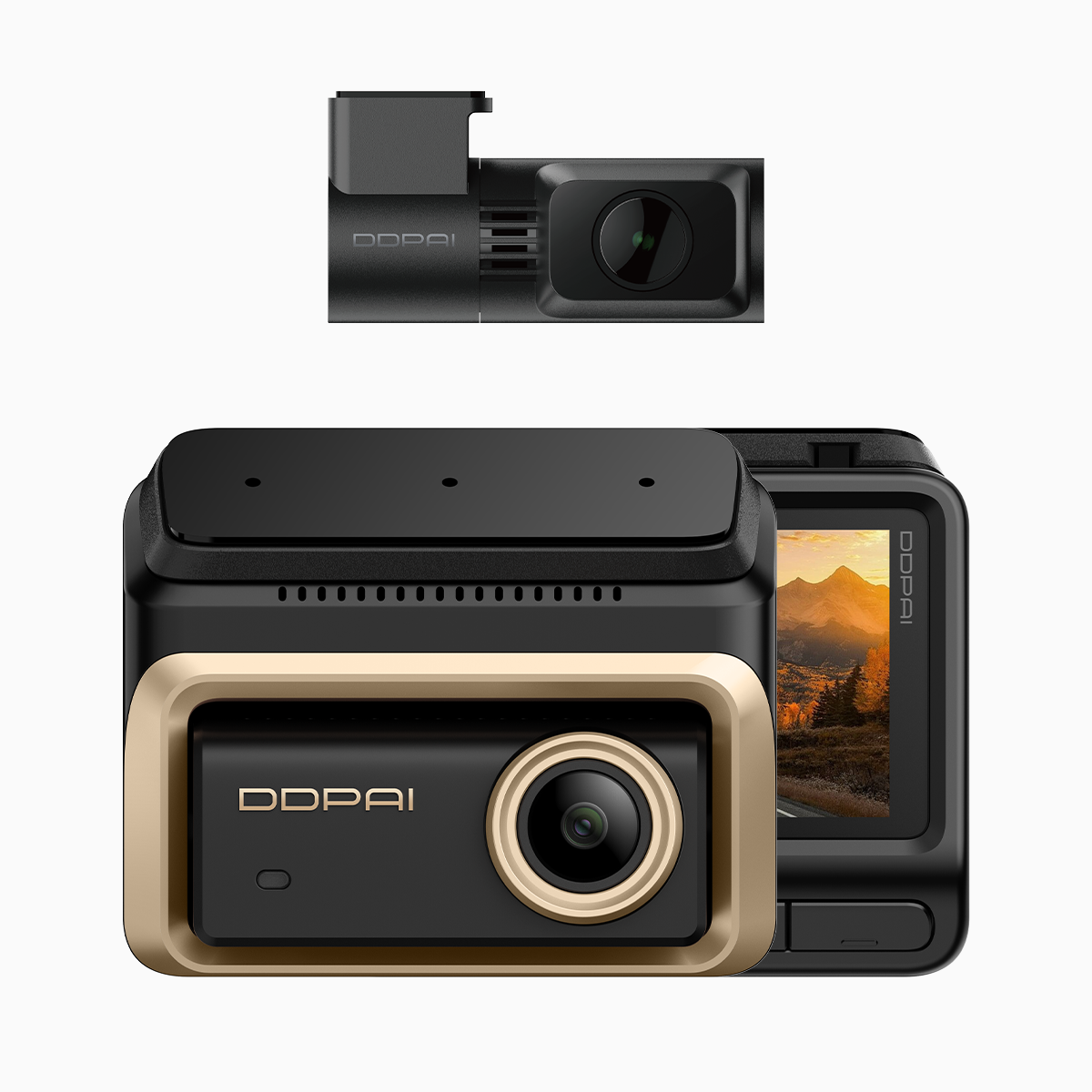
Comparative snapshot: why multi‑view matters
Single‑lens dash cameras capture a fraction of incidents; by contrast, multi‑view systems record front, rear and cabin perspectives simultaneously, offering a full narrative of events. For drivers who want both stronger evidence and better situational awareness, a 3 channel dash cam provides higher resolution across angles, continuous loop recording and synchronized timestamps so footage is admissible and coherent in disputes. Frame rate and 4K capability determine clarity at speed, while GPS logging ties video to location — both useful when claims require objective verification.

Technical considerations that change outcomes
Choose sensors and codecs that preserve detail without filling storage. HDR and wide dynamic range help at dawn or under glare; G‑sensor thresholds ensure collisions are flagged and saved; parking mode and motion detection protect the car when parked. Bandwidth and storage choices affect retention: high bitrate 4K footage uses more capacity, so select a card size and loop recording strategy that match typical trip length. Firmware stability and mobile app integration matter for quick evidence export; poor software introduces friction at the moment evidence is needed.
Legal and insurance impact — concrete advantages
Video that shows multiple perspectives shortens investigations. WHO estimates 1.35 million road traffic deaths globally each year; every recorded incident reduces ambiguity and speeds claim resolution. Insurers increasingly accept multi‑angle footage as definitive proof of sequence and fault. Dash cam data that pairs GPS coordinates, timestamps and speed logs can overturn erroneous statements or support a defense. A cabin view clarifies driver behavior; rear and side views confirm other parties’ actions — together they form a chain of evidence rather than a single, contestable clip. — That extra clarity can cut dispute time and legal costs.
Practical tradeoffs and alternatives
Not every driver needs a full three‑channel rig. Budget single‑lens units still improve safety for city commuters; dual‑channel setups cover front and rear for most collision contexts. Compare these options by priority: image resolution, night performance, and data export speed. Common mistakes include skimping on card endurance, ignoring firmware updates, and mounting lenses poorly so that coverage gaps appear at critical moments. If you prioritize interior monitoring for ride‑share or child safety, choose models with cabin‑facing optics and privacy masking; if highway clarity is the goal, prefer larger apertures and higher frame rates.
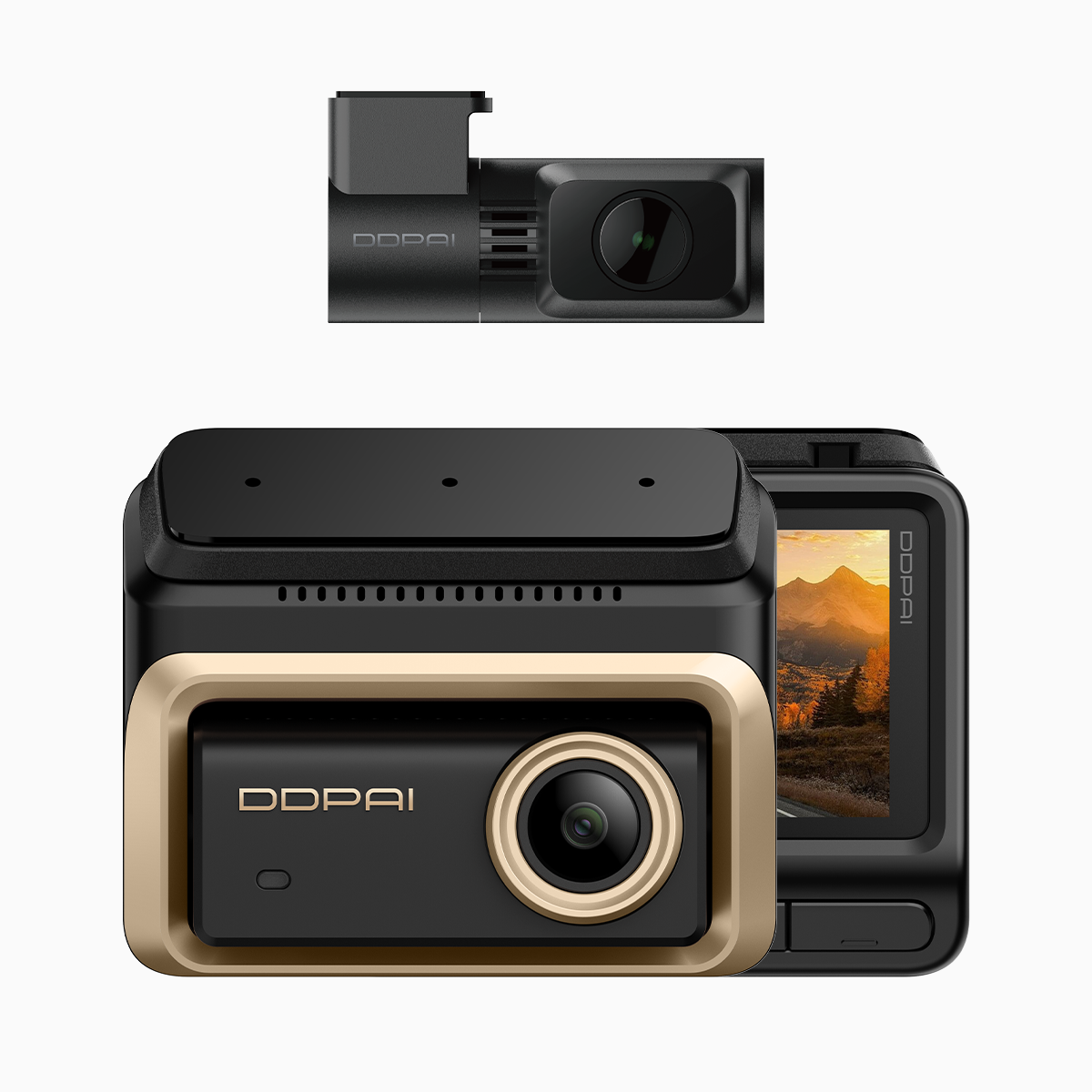
Integration and user experience — what front‑end detail reveals
Installation simplicity and app UX determine whether footage gets used. Systems that offer plug‑and‑play hardwiring, clear file naming, and swift Wi‑Fi transfer reduce friction for non‑technical users. A stable mobile interface speeds evidence sharing with police or insurers; a poor one means clips sit unused on SD cards. Front‑end design choices—intuitive timelines, thumbnail previews, and export presets—matter as much as sensor quality because they decide if the device becomes a tool or a forgotten gadget.
Final guidance: three golden rules for selecting a multi‑view dash cam
First, prioritize evidence integrity: choose synchronized timestamps, reliable loop recording and robust G‑sensor detection so footage is preserved when it matters. Second, balance resolution with storage: 4K and HDR are valuable, but ensure the device supports the right card size and efficient codecs. Third, value usability: firmware support, easy export, and clear app workflows determine whether camera footage becomes decisive in claims. Evaluate these metrics against real use cases — city driving, highway commutes, or commercial work — and pick the configuration that aligns with actual risk exposure.
For drivers in the Philippines and similar urban contexts, a properly chosen multi‑view system—such as a tested 3 way dash cam philippines model—bridges daily safety and legal readiness. The right blend of 4K clarity, GPS logging and dependable parking mode reduces ambiguity and streamlines dispute handling. Practical choices and disciplined maintenance deliver measurable benefits: fewer contested claims, faster resolutions, and clearer accountability. DDPAI Philippines stands out by combining solid hardware with usable software — a pragmatic solution when evidence matters most. — reliable vision.