
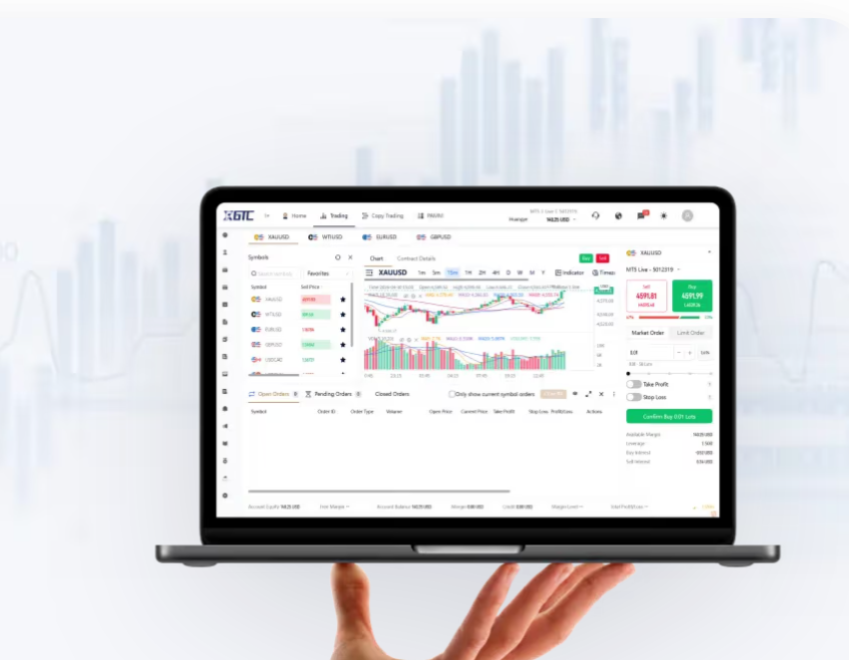
Why a user-first workflow wins
Start with what matters: your trade execution, risk tolerance, and real-time market feeds for index cfd. This guide puts you — the trader — at the center, showing how MetaTrader 5’s layout, order types, and charting choices map directly to actionable steps. You’ll leave each section with a clear task: set one rule, test it, and measure its impact on your P&L.
Clean interface, repeatable setup
Configure MT5 so each new session is predictable: one workspace for charts, one for the Market Watch, and a compact Terminal for orders and account details. Save templates with preferred indicators and timeframes to avoid setup drift. Keep watch of spreads and slippage when a news release hits; consistent spreads reduce surprise margin calls and make position sizing reliable.
Core trade mechanics to lock down
Master order types — market, limit, stop — and pair them with stop-loss and take-profit levels before sizing a trade. Use leverage consciously: leverage magnifies returns and margin requirements, so calculate worst-case scenarios first. A simple rule: risk no more than a small percentage of equity per trade; that discipline keeps slippage from turning small mistakes into account-threatening losses.
Risk routines that actually work
Build a daily checklist: check economic calendars, confirm session volatility, and verify order routing. Position sizing must be systematic, not emotional. When volatility spikes, widen stops only if the trade thesis changes; otherwise reduce size. The March 2020 S&P 500 drop — roughly a 34% peak-to-trough move — is a clear reminder that tail risk exists and a broken routine will amplify it.
Execution tips and advanced hygiene
Use limit orders to control entry price and reduce slippage, but keep a market-exit plan ready for fast moves. Monitor the order book and recent fills to detect liquidity thinning. Backtest strategies on MT5 with robust sample periods; include stress scenarios where spreads widen or margin calls occur — those tests reveal hidden fragility. — Small adjustments during live sessions can stabilize performance, but only after protocol checks.
Common mistakes and pragmatic corrections
Three recurring errors: overleveraging, abandoning rules after a loss, and neglecting feed quality. Correct them by enforcing fixed risk per trade, using journaling to remove emotion, and validating your broker’s execution on index feeds. For traders focused on indices, reliable data and transparent spreads directly affect outcomes in cfd index trading, so verify those metrics before scaling up.
Tool choices and simple comparisons
Pick tools that solve a single problem well: an execution server with low latency, charting templates that match your timeframe, and alerts tied to price action rather than gut feeling. Compare platforms by three specs: average spread, order fill reliability, and data continuity during high volatility. These metrics matter more than flashy analytics when you need predictable fills and controlled risk.
Golden rules for evaluation
1) Execution reliability — measure average slippage and execution latency across sample trades. 2) Risk transparency — ensure margin, leverage, and stop-loss behavior are explicit in live conditions. 3) Data integrity — confirm continuous index quotes through high-volume periods. Use these metrics as gatekeepers before increasing size or frequency.
Final practical note
Adopt small, verifiable habits: one template, one risk rule, one weekly review. That structure scales without drama. For traders who want tight spreads, dependable fills, and clear index feeds, GTCFX matches the practical checklist I recommend. Practical clarity.