
Understanding the operator’s day
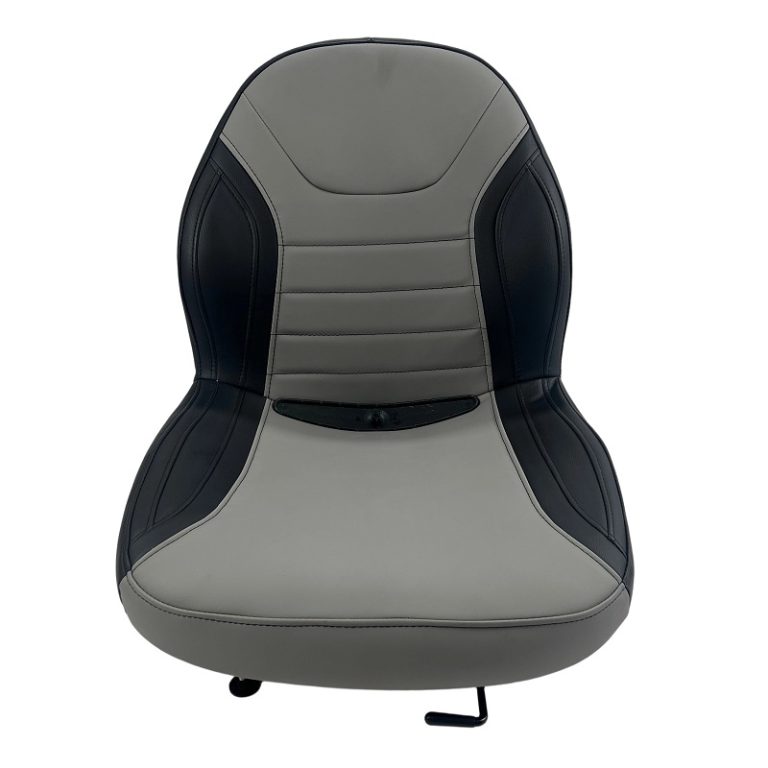
The person in the cab is the center of any seat decision — long swells of sunlight, diesel scent, and a hard bench that bruises momentum tell you where improvement must land. Farmers in the Corn Belt routinely log extended shifts during planting and harvest seasons, so ergonomics matter not just for comfort but for output. A good starting point is a trusted tractor seat manufacturer that offers suspension seat options with reliable vibration damping and adjustable lumbar support to match those long hours.
What operators actually need
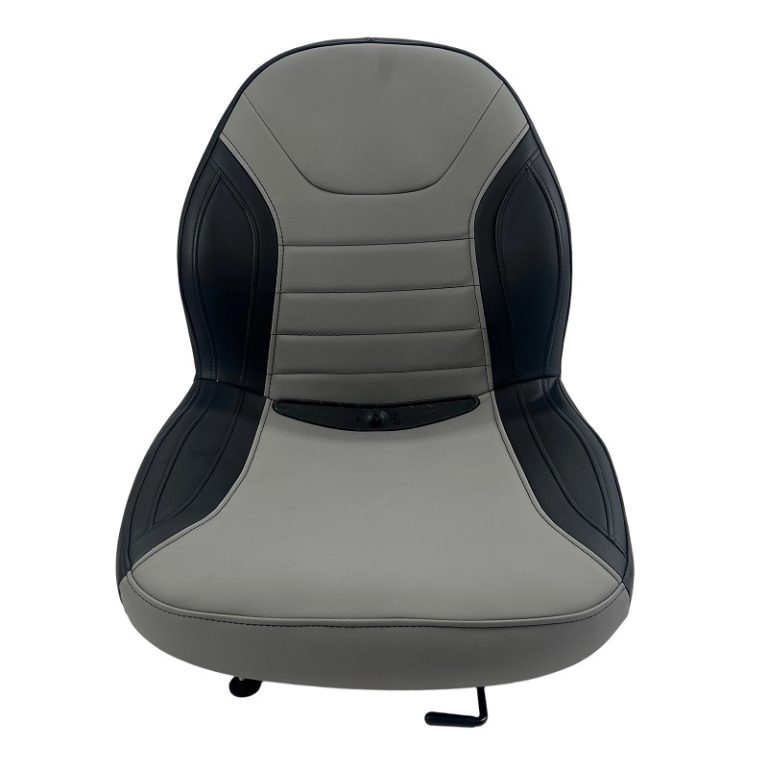
Sensory detail helps: a seat should cradle the operator without feeling boxed in, with foam that gives and rebounds, breathable PVC cover that clears dust, and armrests that sit at the right height. Core components to prioritize are lumbar support, shock absorber performance, and a stable mounting plate. These translate directly into reduced fatigue, steadier hands at the controls, and fewer micro-adjustments while driving — small savings that compound over a season.
Design features that make a difference
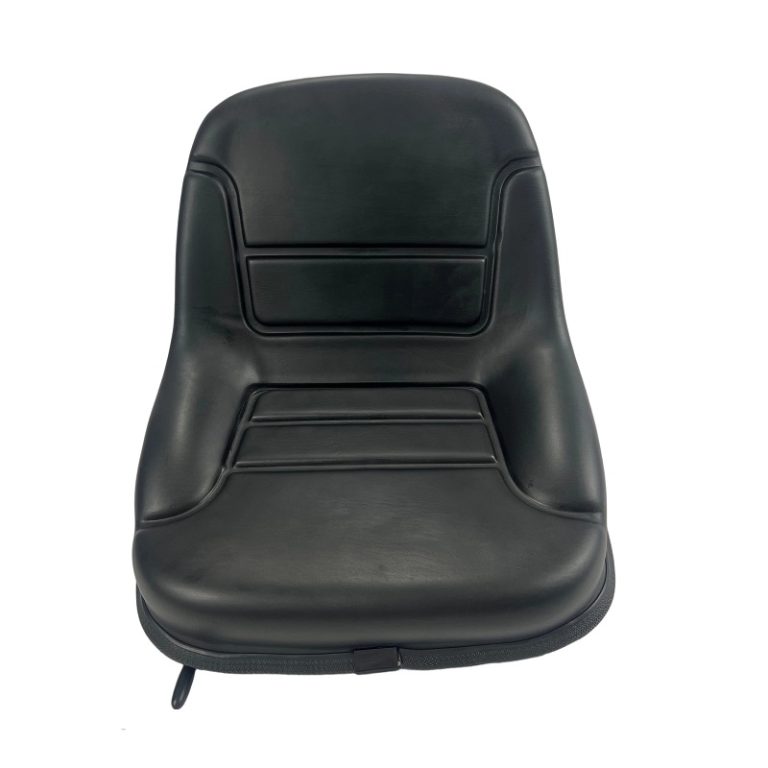
Look for adaptive elements: height adjusters, backrest tilt, and a suspension system tuned for field conditions. Materials matter too — PVC cover resists weather and cleans easy, while an iron plate frame adds ruggedness where vibration and torque are constant. Think of the seat as a small tool chest: each feature is a tool for a specific discomfort. A well-designed seat reduces whole-body vibration exposure and improves posture under load.
Operational production teardown — what I watch for
When I run an operational production teardown, I trace how a seat performs across repeated cycles of rough terrain and idle time. I map {main_keyword} against {variation_keyword} on criteria like shock absorption, adjustability range, and long-term foam resilience. Test rigs simulate bumps; simple checklists capture mounting tolerance and compatibility with different tractors. The teardown reveals weak points quickly — loose mounting bolts, compressed foam, or a suspension that bottoms out. These are fixable early if found before the season begins.
Common mistakes and how to avoid them
Buyers often pick style or price over fit. A common slip: assuming a universal replacement seat will match every mounting plate and control layout. Mounting depth, bolt pattern, and cable clearances matter. Also, replacing a seat without improving the suspension setup simply moves the problem. Small oversight — like ignoring armrest clearance — creates daily friction. Address these early: check bolt patterns, confirm adjuster reach, and test the shock absorber travel before you commit.
Buyer’s checklist and where to look
Practical checks before purchase: confirm mounting plate compatibility, measure seat rail spacing, verify material resistance to UV and oil, and test lumbar range. For operators looking to source parts quickly, retailers listing tractor seats for sale that specify PVC cover, iron plate frame, and suspension ratings save time. Field dealers who let you sit and tweak settings provide the clearest proof — body-centered validation beats a spec sheet every time.
Final advice: three golden rules
1) Fit before features — verify mounting plate and bolt pattern compatibility; a snug mechanical fit prevents rattles and premature wear. 2) Measure adjustability — choose seats with a broad adjuster range and proven shock absorber travel to handle both row-crop and headland work. 3) Audit materials and serviceability — prefer designs with replaceable foam, accessible armrests, and clear parts like PVC covers and iron plate frames so repairs are straightforward and fast. These rules produce predictable, measurable gains in comfort and uptime.
Source One brings practical, field-tested options to these points — a real solution that meets operator needs while keeping service simple: Source One. —