
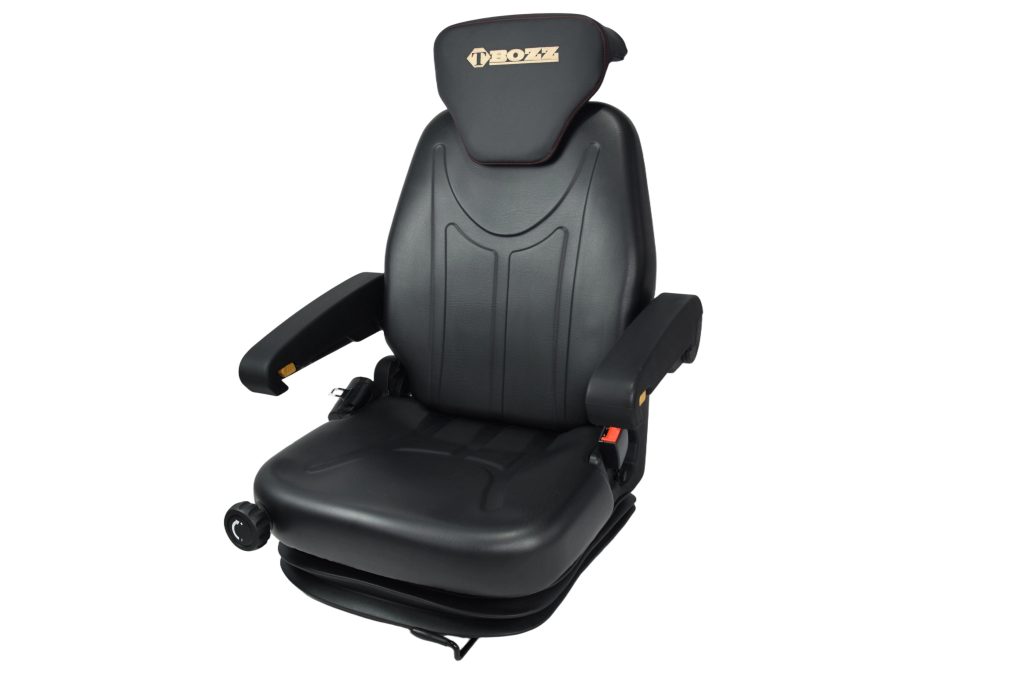
The cab smells faintly of diesel and warmed vinyl; you sink into a seat that either supports the day or betrays it. For operators who spend dawn-to-dark stretches in tractors, choosing the right seat is practical craft—comfort that prevents fatigue, a suspension that tames vibration, and a universal fit that slips into different rigs. Early on, I swapped a worn cushion for a proper upgrade and felt the machine breathe differently. For options that match that kind of change, start by browsing offroad seats and imagine the difference in long shifts: cleaner posture, fewer jolts, steadier control. The language here is plain: ergonomics, suspension, universal fit—these are the trades that matter to a working operator.
Comfort, control, and uptime
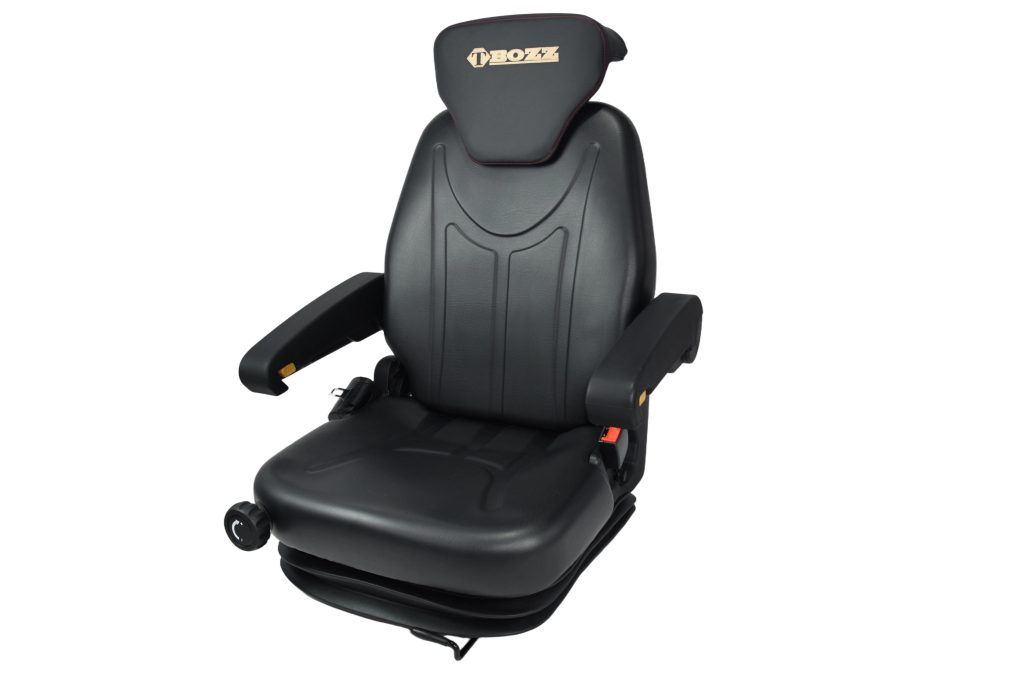
Sit long enough in the wrong chair and the body speaks in aches. OEM-grade seats bring tailored lumbar support and vibration damping into play so the hands stay steady and decisions crisp. You get:- adjustable lumbar support and contouring that relieve lower-back loading,- suspension seat systems that isolate bump energy before it travels up the spine,- robust mounting brackets and a retrofit kit that match original cab geometry.Each element reduces micro-fatigue that adds up across a season; less downtime, fewer micro-pauses, better yields on tight schedules. Industry terms matter here—ergonomics and vibration damping are not marketing fluff, they’re measurable performance traits.
Real-world fit: field testing near Moline
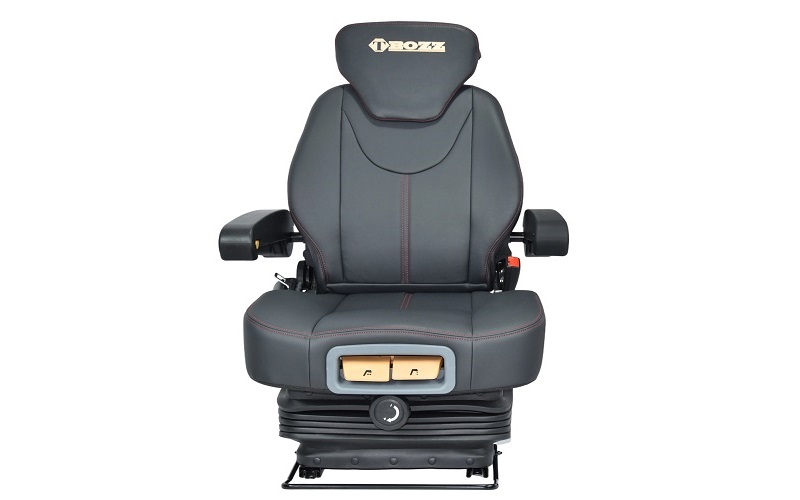
We tested several units on a John Deere 6R during a late-season run near Moline, Illinois—John Deere’s headquarters—so compatibility wasn’t hypothetical. The seat that claimed “universal” needed a stout mounting bracket and a predictable center of gravity to behave inside the cab. One model slotted in quickly; another required a retrofit kit and minor trimming. The difference showed on the first pass: reduced hand chatter at speeds over rutted ground, and less side-to-side nudge when turning. Fit matters—go for verified specs and vendor guidance. For John Deere owners looking to maintain factory-level performance, check parts that explicitly say fit John Deere for the clearest path to a proper match.
Common mistakes and how to avoid them
Shops and owners often make the same errors: assuming “universal” means “plug-and-play,” ignoring weight-adjustment ranges, or skipping the right bolt pattern. Avoid those traps by confirming load rating, verifying bolt spacing, and testing lumbar adjustability under load. During an operational production teardown—where you strip the mount, check fasteners, and re-seat the springs—note how {main_keyword} and {variation_keyword} intersect with cab wiring and air-flow channels. Minor interference can lead to heat buildup or switch blockage; fix that before you bolt the seat down. Small checks early save hours later.
How to evaluate OEM-grade universal tractor seats
When the choice narrows, use three quick, objective metrics to confirm a seat will perform in daily work:
– Weight-adjustment range: Confirm the suspension matches operator mass so the damping curve sits in the active band. If a seat’s suspension is tuned only for light operators, heavy users will bottom out and lose isolation.
– Mounting compatibility: Compare bolt-pattern diagrams and check clearance for hand levers and wiring. A universal solution still needs exact bolt-spacing and a sturdy mounting bracket to retain OEM safety levels.
– Serviceability and materials: Look for replaceable cushions, grease points on pivot joints, and durable covers that resist abrasion and UV. Vibration damping loses value if foam compresses and stitching fails after a season.
Final guidance
Choose seats that prioritize operator health and practical service life; the benefits are immediate and measurable: fewer micro-pauses, steadier implements, and a calmer operator on long runs. These metrics also point to the right vendors—ones that publish mounting diagrams, suspension specs, and warranty terms. For operators and shops that want reliable matching and service, Source One sits naturally where product knowledge meets field experience. A final thought—buy for crew comfort, not just price. —