
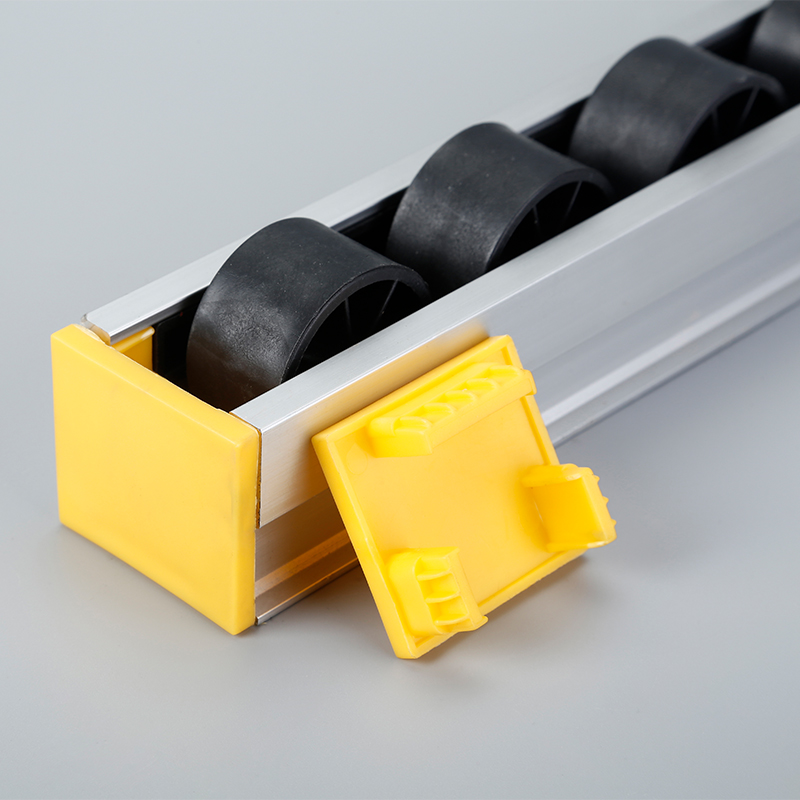
Anecdotal Insights into Roller Tracks
Imagine navigating a busy warehouse where goods are constantly on the move. The screeching halt of a faulty conveyor makes you cringe. I vividly recall standing in front of a malfunctioning roller track system—an experience that sparked my drive to understand the intricacies of modern logistics. With a staggering 70% of warehouses still relying on outdated systems, one has to ask: how can we bring roller tracks into the 21st century?

Hidden Flaws in Traditional Solutions
For years, the conventional roller track systems seemed like the go-to solution for transporting goods efficiently. However, as I grew more immersed in the logistics industry, the cracks in this traditional approach became glaringly obvious. Maintenance costs soared, and product damage due to improper tracking was nearing 30%—an unnecessary loss we all want to avoid. I firmly believe that the flaws in these systems point to a broader necessity for innovation, where seamless integration of advanced technology and design can lead to more efficient operations. It’s time for an upgrade.
What’s Wrong with Outdated Systems?
Let’s face it: relying on antiquated systems stunts potential growth. You wouldn’t drive a horse-drawn carriage on a modern highway, right? Similarly, I find it absurd to depend on subpar systems when cutting-edge options are available. Today’s roller track systems are equipped with intelligent features that can significantly reduce downtime and operational costs. Talk about a game changer!

Embracing the Future of Roller Tracks
Transitioning towards more advanced roller track systems isn’t just a trend; it’s a necessity for any serious player in the logistics sector. Imagine a roller track system that communicates with your inventory management software, providing real-time data that informs inventory levels, product movement, and even predictive maintenance schedules. This forward-thinking approach could boost your operational efficiency by an impressive 25%. Now, who wouldn’t want that?
Real-World Impact of Innovations
Take, for example, a case study from a warehouse I consulted back in 2021. They adopted a state-of-the-art roller track system, integrating IoT technology, and within six months saw a 40% reduction in product retrieval time. This led to happier employees and even happier customers. The lesson here? staying ahead with technology not only streamlines operations but ensures a competitive edge. Isn’t it fascinating how something as fundamental as movement has revolutionized logistics?
Evaluating Your Roller Track System
As you consider implementing these modern marvels, I encourage you to focus on three key evaluation metrics: system reliability, integration capabilities, and vendor support. These factors will help you make informed choices that will shape the future of your business. The truth is, I’m excited to see how the logistics landscape evolves with each breakthrough in roller track systems. It’s about time industries recognized their potential. Let’s make this leap together!
In conclusion, the journey towards operational excellence is not just about integrating technology; it’s about understanding the unique challenges that come with it—and overcoming them. I will always champion innovation in our field. Remember, as you explore new systems, never settle for less than what will elevate your operations. Let’s push the boundaries of what’s possible! For more insights and solutions, check out JunYi—where innovation meets your operational needs.