
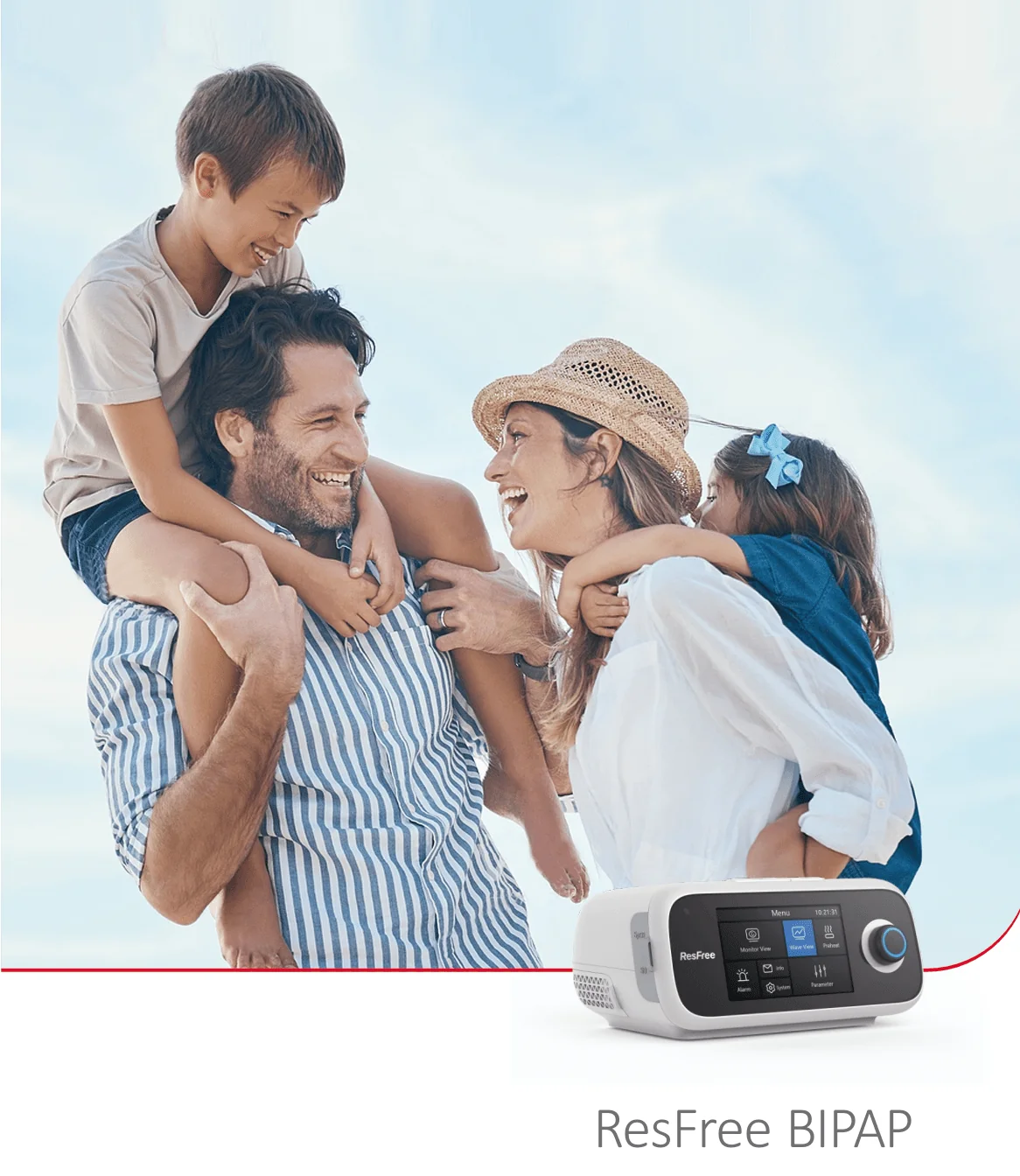
Comparative opening that sets the frame
The practical choice between BiPAP and CPAP shifts when the goal is measurable, scalable improvements in patient outcomes. From a systems perspective you evaluate throughput, error rates, and operational overhead—so the comparison starts with device behavior rather than marketing. A modern pipeline must accommodate devices designed for autotitration and remote data telemetry; this is why a clinician might pair a cpap device with centralized monitoring rather than treating the device as a one-off. IPAP and EPAP dynamics matter because they shape both comfort and effective pressure support, and those parameters determine whether a therapy scales across a patient population or creates more work for clinicians.
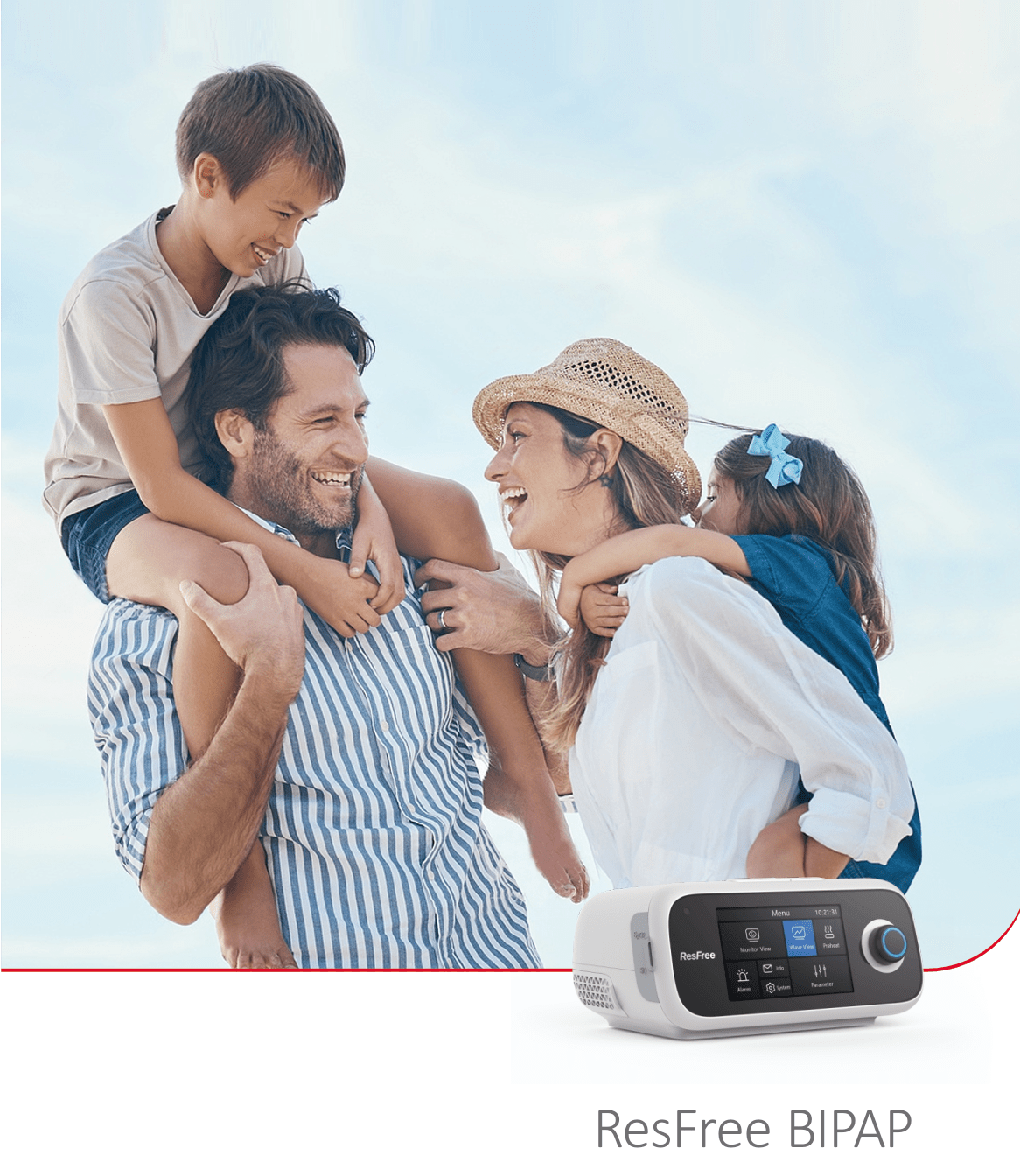
Technical comparison: how Resplus BiPAP stacks up against alternatives
Resplus BiPAP targets adaptive pressure profiles and tighter control of tidal volume than many fixed CPAPs. That yields fewer events per night for patients with complex respiratory patterns, while offering better leak compensation and reduced mask leak sensitivity. By contrast, a fixed-pressure CPAP delivers a single continuous positive airway pressure; it’s simpler but often requires manual titration. Alternatives include auto-bilevel systems and compact home ventilators—each trades configurability for ease of use. When evaluating devices, check for clear telemetry, autotitration fidelity, and how pressure support maps to clinical goals.
Outcomes, evidence and a real-world anchor
Clinical benefit scales when devices deliver consistent, interpretable data. Real-world demand is large: the CDC estimates up to 22 million Americans have sleep apnea, which means small per-patient improvements translate into substantial system-level impact. Metrics to watch include reduction in apnea-hypopnea index (AHI), adherence percentage, and objective sleep fragmentation. Resplus’s architecture aims to reduce AHI via differential IPAP/EPAP control while preserving tidal volume; that matters for patients who present mixed central and obstructive features.

Alternatives and common mistakes to avoid
When teams pick a device they often default to convenience—this causes recurring errors. Common mistakes include incorrect pressure settings, ignoring humidification requirements, and failing to monitor mask leak trends. Alternatives worth considering:- Fixed CPAP: lowest complexity; higher likelihood of residual events if titration is off.- Auto-bilevel: better comfort, but requires careful algorithm validation for central events.- Portable home ventilators: full support, heavier clinical overhead.Operational missteps are rarely technical alone—poor onboarding and missing remote monitoring cause the bulk of failures. Fix the workflow first; the device second—small training investments yield outsized adherence gains.
Scaling deployment: integration, telemetry and workflow
Think of a BiPAP deployment like a microservice: devices are nodes that emit telemetry, and the clinical backend performs aggregation, anomaly detection, and clinician alerts. Key integration points are secure data ingestion, standardized event logs (to track AHI, leak, usage hours), and a feedback loop for remote titration suggestions. Pressure support and autotitration logs should be machine-readable so care teams can stratify patients by risk. This approach reduces in-clinic titration visits and enables population-level optimization—fewer escalations, consistent protocols, and predictable capacity planning.
Advisory close: three golden rules and a final thought
1) Prioritize measurable signals: require devices to export AHI, usage hours, and leak trends in a standardized feed. 2) Optimize for workflow, not just specs: choose systems with proven remote titration and clear clinician UI—this lowers visit volume. 3) Validate on mixed populations: ensure the device’s IPAP/EPAP strategy maintains tidal volume across obstructive and central events. Implement these metrics as KPIs and iterate on training and support accordingly. Small, repeatable improvements compound across large caseloads—Byond fits that model because their solutions align device behavior with clinical workflow and telemetry. Results scale. Small wins.