
First impression: the shop-floor senses that tell you more than a spec sheet
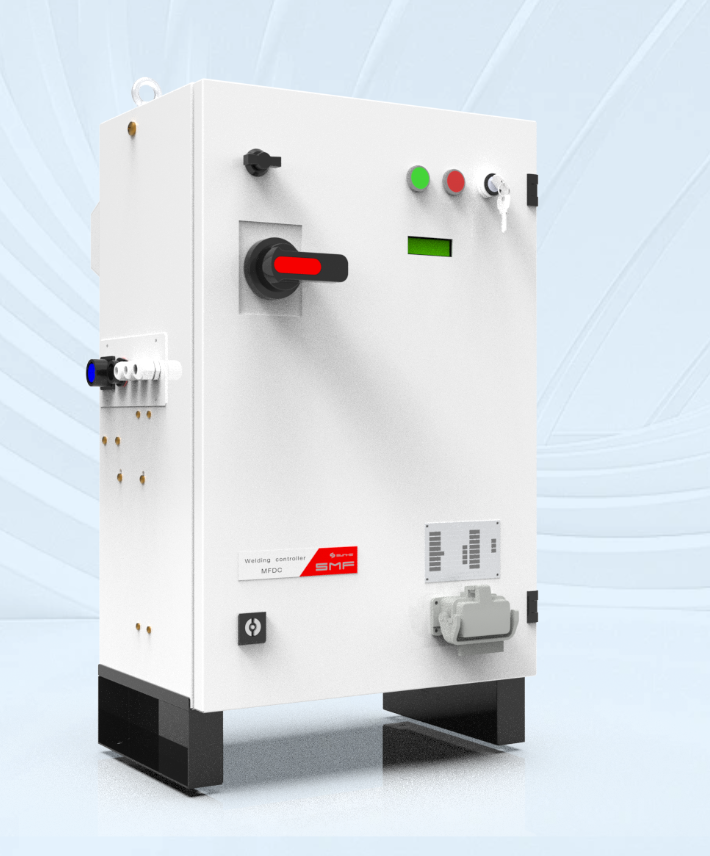
The welding bay smells of ozone and hot copper; machines hum with a steady, metallic breath. When you stand close enough to feel the pulse of current through a transformer, you begin to judge controllers by more than price. A well-specified resistance welding transformer will send a clean, immediate vibration through the toolhead—no hesitation, no extra heat. That same instinctive check applies to a spot welding transformer when you tap its housing: stiffness and minimal flex mean robust core design. My observations come from examining shop floors and supplier data, including comparisons made around Detroit automotive plants where spot welding runs define takt and throughput.
Comparative frame: lifecycle value versus total cost, defined plainly
Lifecycle value asks, “What useful service will this controller deliver over its usable life?” Total cost of ownership (TCO) asks, “What will I actually pay as it operates?” Think of lifecycle value as flavor—richness, consistency, longevity. Think of TCO as checkbook math—initial spend, energy, repairs, downtime. You must compare both simultaneously: a cheaper controller that tastes sweet at purchase can sour with high energy draw and frequent repairs; an initially expensive system can prove economical through steadier welds and less unplanned downtime.
Practical metrics to compare—touch, listen, and quantify
Use this checklist to move from sensory impressions to measurable comparisons:- Energy profile: measure average and peak current draw under typical cycle loads. Controllers that smooth pulse current reduce wasted heat and energy losses.- Duty cycle and overheating behavior: observe how long the controller sustains rated welds before protective cutouts trip.- Maintenance cadence: count routine interventions—brushes, fans, connector replacements—and the skill level required for each.- Repairability and spare parts: note modularity; can a technician swap a power module on the line or does the unit ship back?- Control precision: compare weld repeatability and variance across 100 cycles—tight variance often reduces rework costs.- Installation and integration time: include control software setup, PLC mapping, and validation runs in labor hours.Translate these into a simple table of estimated annual costs and matched lifecycle benefits to see which choice balances cost against measurable returns.
The sensory signs that predict hidden costs
Listen for micro-arcing under load—an intermittent crackle signals contact wear that becomes downtime. Feel for excessive warmth at connectors after a shift; heat concentration often precedes connector failure. Watch the weld nugget consistency—if the texture changes across panels, expect rework. These sensory clues map to real costs: rework labor, scrapped parts, scheduled and unscheduled maintenance. Pay attention early; catching a contact issue or cooling insufficiency before it escalates saves both time and money.
Common mistakes that skew comparisons
Avoid these pitfalls:- Comparing only purchase prices. That ignores energy, spare parts, and downtime.- Using manufacturer-rated duty cycles as a single truth. Real duty under variable cycle loads can differ by design choices.- Overlooking software and data: controllers that log weld parameters let you diagnose drift early—those logs have tangible value.- Assuming identical installation costs. Some controllers need special cooling, transformers, or mechanical mounts that add to TCO.Make the comparison real by modeling scenarios: normal operation, peak demand, and fault recovery. That reveals where lifecycle value compensates for higher upfront cost.
Alternatives and pragmatic trade-offs
If your shop runs continuous, high-volume welding, prioritize controllers with robust cooling, tight current control, and field-replaceable power modules. For variable, batch-driven work, favor flexibility: programmable waveforms and easy recipe management shorten setup time. If budget is constrained, pick a baseline model with upgradeable modules so the unit can scale as production demands grow. Each trade-off shifts both lifecycle value and TCO; rank them against your primary pain points—energy bills, scrap rate, or technician availability.
Decision checklist—align senses with spreadsheets
Before you buy, run this quick procedure:- Field test candidate units under production-like cycles for at least one shift.- Log energy use, reject rate, and cycle times.- Estimate spare-part spend for three years.- Calculate lost-production cost for a realistic downtime event.- Weight those figures by how often each scenario occurs.That process turns sensory impressions—sound, heat, rhythm—into a defensible cost comparison and reveals which controller delivers the most usable life for the money.
Final synthesis: pick the controller that tastes right and pays off
Listen to the machine, measure what matters, and let the numbers confirm what your hands already feel. A controller that keeps welds consistent and components cool will usually beat a cheaper option once energy, maintenance, and downtime are counted. That balance—sensory proof backed by practical cost modeling—points to equipment choices grounded in real workshop value, the kind long-term partners like Sunke build into their designs.