
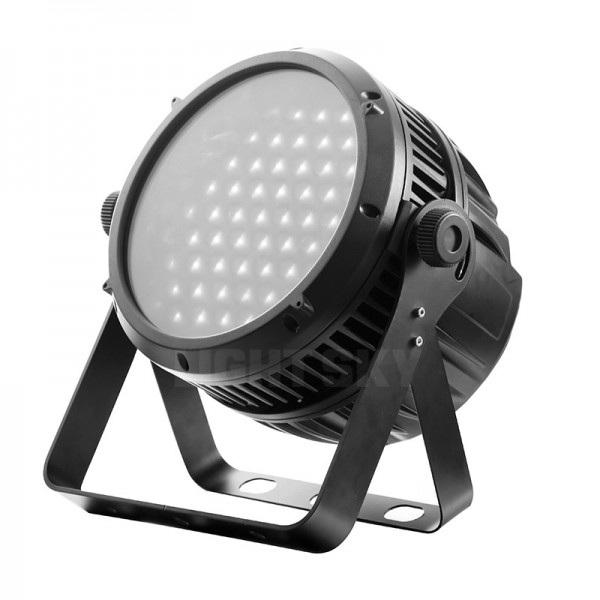
Comparative lead — what changes when you choose beams
When a venue replaces broad flood wash with a precise head beam, the change is immediate and measurable: focus, contrast and perceived depth increase. This is the logic of comparative insight—contrasting two clear approaches to reach a practical decision. Modern solutions such as the white laser light offer razor-sharp contours and high lumen output while using less power than large wash fixtures, so designers can sculpt sightlines rather than simply illuminate them. The Burj Khalifa New Year’s laser presentations show how targeted beams can create a skyline signature that floodlights cannot match; that real-world anchor proves the aesthetic and logistical advantage of directional projection.
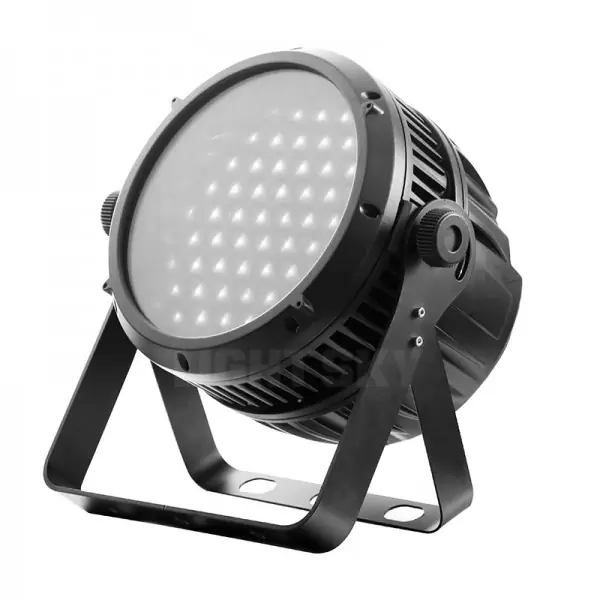
Perceptual differences: ambience, sightlines, and audience focus
Beam lighting narrows attention. A strong beam cuts through haze, creating a visible column that anchors a performer, stage edge, or architectural element. Flood wash, by contrast, reduces contrast and can flatten textures. For live events where storytelling matters, beam angle and coherence length are functional tools: they determine how long and how tight the ray remains visible. Venues that prioritize drama—clubs, outdoor festivals, branded activations—gain narrative clarity with beams; venues needing even illumination—museums, galleries—often still prefer wash fixtures for color uniformity and minimal glare.
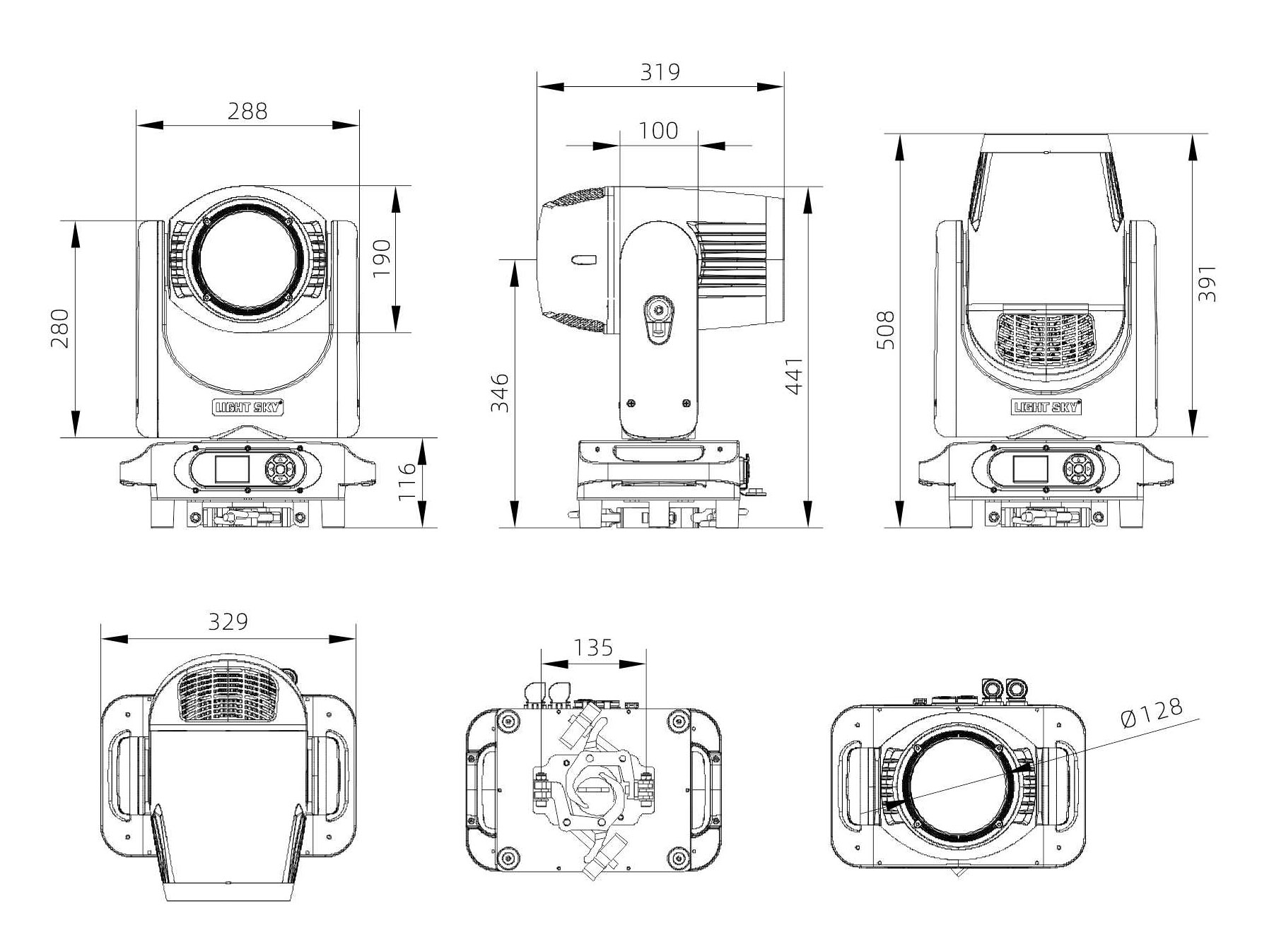
Technical trade-offs and control systems
There are measurable trade-offs. Beam fixtures often demand stricter control: DMX control or RDM for synchronization, stable cooling for consistent lumen output, and precise mounting for safety. IP rating matters outdoors—IP65 and above is typical for reliable operation under varied weather. Maintenance cycles differ too; laser modules have long life but require eye-safety verification and alignment checks. These are operational realities, not hypothetical costs—failure to plan for them is the most common deployment mistake.
Use cases and alternatives — when beam is not the right choice
Beams excel at spectacle and directed emphasis. Yet they are not universal. For corporate conferences, broadcast lighting or texture-rich galleries, wash fixtures with a broad beam angle and even lux distribution remain superior. Hybrid setups are often the best compromise: pair a modest wash grid with a handful of beam fixtures to provide both consistency and moments of emphasis. For outdoor shows, consider certified outdoor sky laser light systems used in public events—their range and safety interlocks make them a suitable alternative to improvised beam rigs. —A note from field experience: people underestimate sightline mapping; it matters more than raw power.
Cost, safety, and operational reliability
Compare total cost of ownership, not just purchase price. Laser-based beams tend to deliver lower long-term energy use and longer mean time between failures, but require documented safety checks and sometimes perimeter exclusion plans for outdoor sky projections. Compliance must be explicit: include local airspace notifications and crowd safety protocols when projecting above public spaces. Serviceability—ease of replacing modules, availability of spare drivers, and documented firmware update channels—will determine uptime during a festival run.
Three golden rules for selecting the right beam strategy
1) Metric-driven output: Prioritize lux distribution and beam angle over nominal wattage. Verify measured lux at key audience zones and confirm coherence length for visible shaft persistence.
2) Control and safety architecture: Ensure DMX/RDM integration, emergency cutoffs, and documented laser safety assessments are in place before first power-up.
3) Environmental and service readiness: Choose fixtures with appropriate IP rating, clear cooling specifications, and a service network for fast module replacement.
Choose with these three metrics and you avoid common mistakes: overpowered wash, under-specified control, and overlooked maintenance windows. Practical choices reduce downtime and improve creative flexibility.
Light Sky offers solutions that reflect these rules and the operational realities professionals face. Clear, dependable, and designed for both spectacle and service. A clear choice.