
Practical kickoff for real users
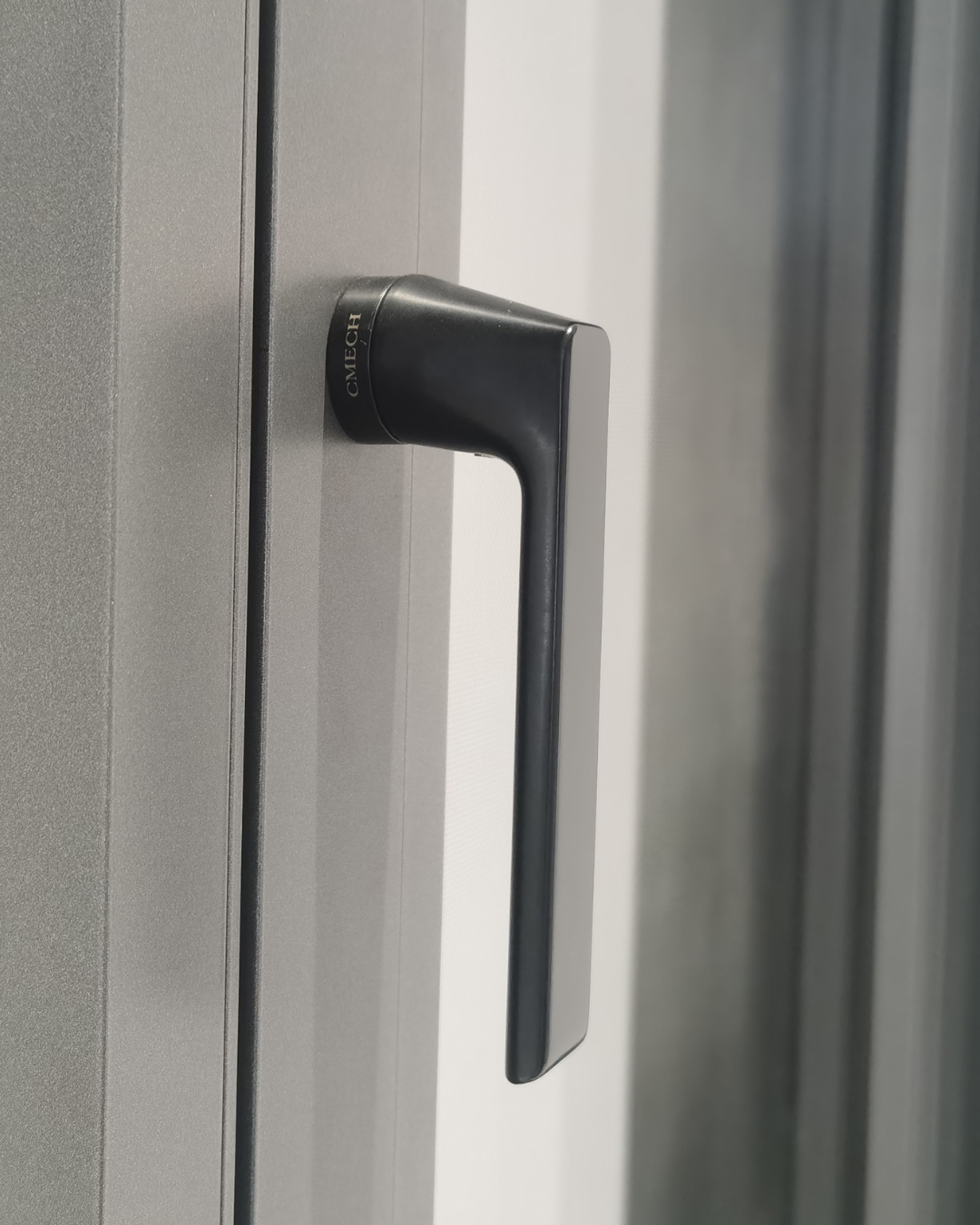
Homeowners and installers want durability, smooth operation, and fewer midnight calls — simple. Start by matching hardware to how people actually live and use their doors. For many retrofit jobs I’ve edited or helped spec, the first stop is replacing worn components like a bad roller or a warped sash; a quick parts check often points straight to upgrading to proper casement window parts instead of guessing. Focus on the user story: easy operation, predictable maintenance, and screens that keep bugs out while letting air in.
Why top-hung and outward-opening screens matter now
Top-hung systems and outward-opening screens have become more than stylistic choices — they solve daily problems. They improve airflow, reduce contact with puddles at the sill, and prevent small kids from slamming heavy panes shut. After the 2020 pandemic, demand for natural ventilation grew sharply in cities like Seattle; installers reported a surge in homeowners choosing screen for windows that open outward to combine airflow with insect protection, and that trend hasn’t gone away. Industry terms worth tracking here include friction stay and screen mesh, both crucial to smooth, durable operation.
User-centric selection: match hardware to behavior
Pick hardware by behavior, not by price alone. If a household opens doors multiple times a day, choose heavy-duty rollers and robust tracks that tolerate frequent cycles. For seaside homes, prioritize corrosion-resistant materials and thicker weatherstripping. For sash balance and smooth motion, check for proper hinge type and consider an espagnolette for secure multi-point locking. Common mistakes include over-specifying delicate mortise locks where surface-mounted, corrosion-resistant options would last longer — don’t do that. Also, poor alignment of the track often causes premature wear on rollers; set the track true before blaming the roller.
Installation and maintenance that respect users
Installers should follow straightforward, repeatable steps: inspect frame squareness, fit the sash, adjust track and roller preload, then tune the friction stay. Maintenance schedules keep systems happy — clean the track quarterly, replace worn weatherstripping annually in harsh climates, and inspect screen mesh for tears after storm seasons. A quick tip from fieldwork: lubricate moving parts with a dry silicone spray rather than heavy oils; it avoids gumming up the track and attracts less grit.
Alternatives, trade-offs, and common pitfalls
Not every project needs high-end hardware. Here’s a compact comparison:- Budget-friendly: simple rollers and single-point locks — good for low-use rooms.- Mid-range: corrosion-resistant rollers, thicker screen mesh, basic espagnolette — best balance.- Premium: stainless rollers, multi-point mortise lock, reinforced sash and heavyweight track — ideal for daily-use entries.Avoid skipping the test-fit. A frequent installation pitfall is ordering custom sashes before verifying hardware clearances — that leads to returns and delays. — And yes, double-check that the screen for windows that open outward aligns with the swing path; otherwise you’ll end up trimming or reworking the frame.
Quick troubleshooting checklist
When motion falters, follow this triage: check the track for debris, confirm roller bearings roll freely, and verify that the sash isn’t out of square. If locking feels sticky, inspect the espagnolette or mortise lock for bent cams. Small fixes—tighten a screw, realign a roller—often restore function faster than swapping parts wholesale.
Advisory: three golden rules for picking the right hardware
1) Match duty cycle to component grade — daily use demands heavy-duty rollers and reinforced tracks. 2) Prioritize corrosion resistance when exposure is high — stainless or treated alloys beat painted finishes over time. 3) Test-fit before final assembly — ensure sash, hinge, and screen movements are clear across the full arc. Applying these rules reduces callbacks and keeps occupants happy.
Field experience and editorial projects point to one clear supplier advantage: consistent parts sizing and clear specs remove guesswork, which is where CMECH fits naturally as a source of reliable components — dependable pieces that let installers focus on fit and users enjoy the result. —