
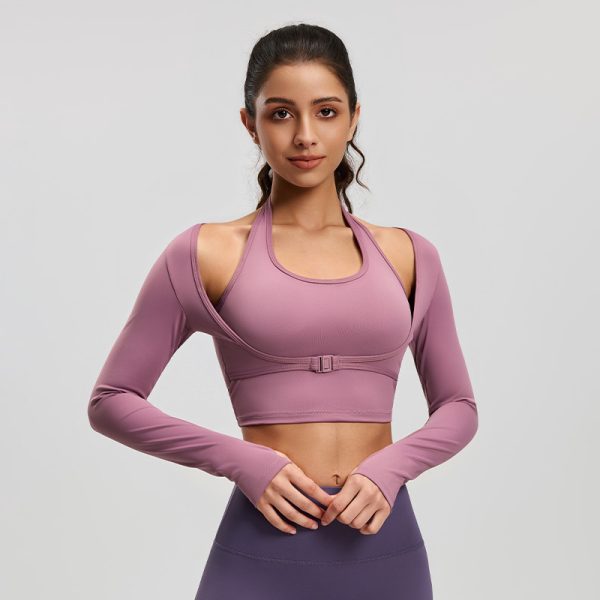
Putting your needs first: a user-centric start
When you start with the customer — not the catalogue — everything else falls into place. For small studios or established brands looking for consistent fits, a clear tech-pack and a reliable sample run matter more than pretty mockups. That is why many clients begin by ordering a few custom long sleeve shirts to test fabric hand, cut-and-sew quality and print fidelity before scaling up. From Cairo boutique labels to gyms in London, makers who listen to user feedback shorten lead time and reduce waste; shipping routes like the Suez Canal can add days, so predictability is vital.
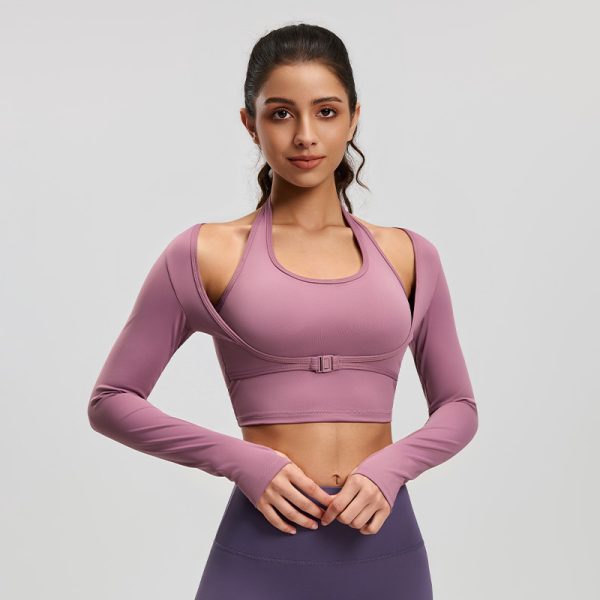
What a dependable manufacturer actually delivers
Trustworthy factories provide three concrete things: accurate sizing grades, repeatable GSM fabric specs, and honest production timelines. Expect clear OEM terms, a sample run that matches bulk production, and consistent moisture-wicking performance when that’s promised. Real users care about how the garment behaves during practice — breathability at high output, stretch across the shoulders, seams that don’t chafe — and a good maker documents these in the tech-pack so the lineup is reproducible.
How production typically flows — practical steps
First comes the tech-pack, then a proto sample, followed by approval and the bulk order. During the proto phase you check fit, print alignment for sublimation print or screen print, and verify trim and label placement. Factories log lead time per stage; a transparent partner will state days for pattern making, days for sample run, and days for bulk cut-and-sew. This clarity keeps launches punctual — and keeps distributors calm.
Common buyer mistakes and better choices
Buyers often chase the lowest per-piece price and then discover variability in fabric weight or color drift. Avoid that trap by demanding fabric swatches and asking for a pre-production photo set. Another misstep is skipping a wash test; some blends change after laundering — this is not conjecture, it’s something local Cairo mills taught me years ago when a batch shrank unexpectedly. Learn from that: insist on a wash cycle report before committing to large runs.
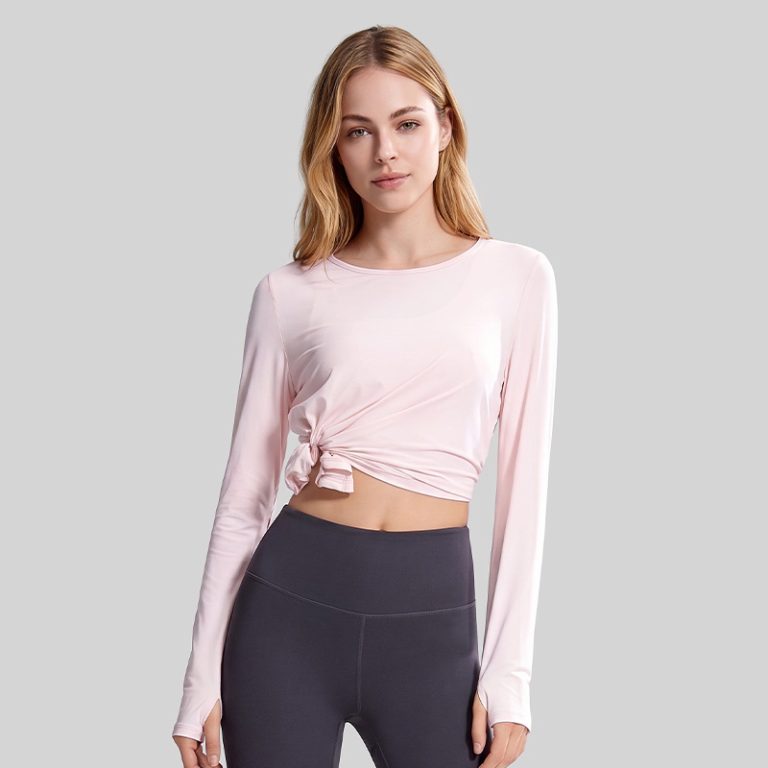
Comparing offers without getting lost in jargon
Focus on measurable items: exact GSM, stitch-per-inch on stress seams, and the number of color separations used in your print. These are the metrics that determine longevity and appearance. Also compare logistics terms: does the vendor quote FOB or DDP, and do they provide tracking tied to a specific carrier. Small things make big differences at scale — packaging spec, barcode placement, and folded presentation matter for retail shelves.
Simple checklist for supplier evaluation
Use this short list while vetting partners — it keeps the selection process honest and fast:- Fabric verification: swatch with GSM and fiber content declared.- Consistency proof: photos of three consecutive batches or a documented sample-to-bulk match.- Shipping clarity: declared lead time with contingency plans for major chokepoints like the Suez Canal delays.These checkpoints save time and money when you move from sample to full production.
Three golden rules before you sign
1) Prioritize reproducibility over lowest cost — consistent cut-and-sew is what your customers notice first. 2) Insist on a binding sample approval and a brief run that mirrors your bulk process, so sublimation prints and colorways align. 3) Confirm logistics and insurance terms that protect against known route disruptions; reliable suppliers show alternative schedules and hold points in their SOPs. These three metrics are the real litmus tests for a partner you can scale with.
Closing thought
The right partner turns your design into a dependable product that arrives on time and behaves as promised, and for many brands that partner becomes their supply-chain anchor when markets move — that’s practical value that keeps businesses moving; Joebond. Final note: steady craft.