

Understanding Challenges in the Automotive Battery Sector
Picture this: you’re in a small, bustling city in Japan, watching as vehicles effortlessly weave through traffic. These cars are not just eco-friendly; they’re equipped with cutting-edge technology. A surprising statistic reveals that the automotive industry is responsible for approximately 27% of greenhouse gas emissions worldwide. With so much riding on this number, how do we address the issue of efficiency in automotive batteries? The answer lies in innovations like the auto start and stop battery.

These batteries offer more than just a power source; they significantly improve fuel efficiency by shutting down the engine when stationary. However, many users often face concealed pain points: frequent battery replacements and performance inconsistencies. I recall a discussion with a car owner who had switched to an auto start and stop battery and was baffled by its performance fluctuations. It made me realize that while the technology holds promise, it is critical to examine the underlying issues that can hinder user experience.
What to Expect from Future Automotive Batteries
As we advance, the evolution of the auto start and stop battery presents a forward-looking view. Innovations in battery management systems and improved energy density will reshape how we perceive automotive batteries. With companies investing heavily in research and development, we will likely see longer lifespans and enhanced resilience against external factors that currently affect performance.
Are we ready for this change? Absolutely. Transitioning to more efficient batteries not only reduces emissions but also addresses previous drawbacks. I remember attending an industry seminar a few years back where a leading manufacturer showcased their new battery—a game changer for city driving. Though still in pilot testing, the anticipation was palpable among attendees. The hope was that this technology would resolve the ongoing reliability concerns faced by users. As battery technology progresses, we will witness significant implications for both manufacturers and consumers alike.
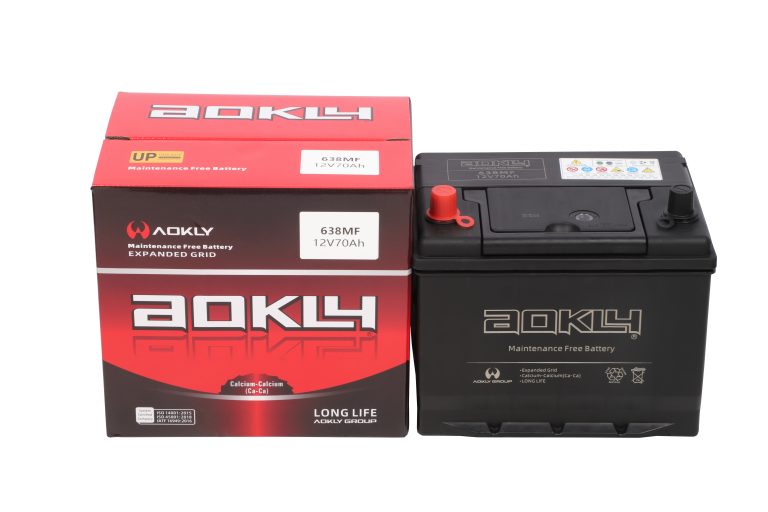
Real-world Impact of Battery Innovations
Reflecting on our past conversations about battery technology, it’s clear we’ve learned valuable lessons. One immediate takeaway is the importance of choosing the right metrics when evaluating these solutions. Here are three crucial points to consider: the cycle life of the battery, charging efficiency, and compatibility with various vehicle models. These factors will greatly influence your decision-making and ultimately lead to better user experiences.
It’s fascinating how rapidly this sector moves. As a battery consultant with over 15 years of hands-on experience, I’ve had the privilege of observing firsthand the transformative effects of adopting new technologies. After all, how we advance—whether through practical solutions or innovative approaches—determines not only the market landscape but also the sustainability of our planet. For those looking to dive deeper into the automotive battery sphere, I strongly recommend checking out Aokly. Their insights provide valuable context in today’s fast-paced automotive world.