
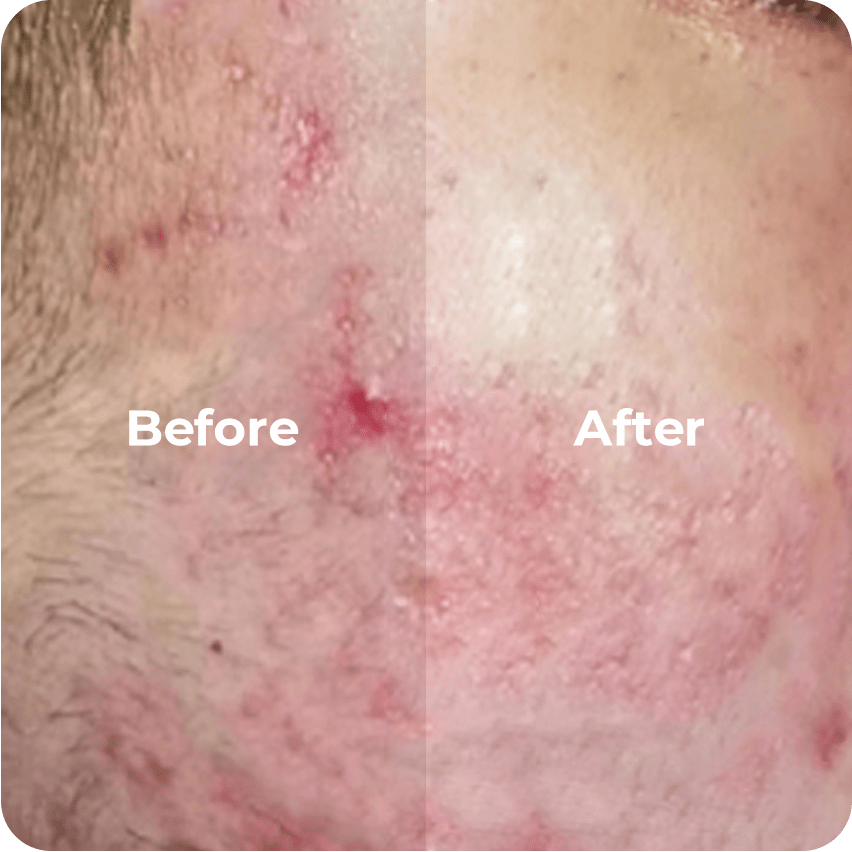
Putting your goals first: a practical opening
When you’re considering a skin rejuvenation treatment, the first question should be “what do I want to change?”—not “which device sounds impressive.” A user-centric approach centres on visible concerns (texture, pigmentation, laxity), downtime tolerance, and skin type. Clinics from Toronto to Vancouver report patients prioritizing minimal recovery and predictable results, which is why understanding basics like thermal relaxation time and wavelength helps you match expectations to technique. If you’re specifically weighing machines, look for options described as laser skin rejuvenation treatment only after you understand how they interact with your skin’s biology.
How thermal relaxation time and wavelength shape results
Thermal relaxation time (TRT) is the period a target structure—melanin, water, or hair follicle—needs to cool by 50% after an energy pulse. Pulse duration should be at or below TRT for selective heating. Wavelength determines which chromophore absorbs energy: shorter wavelengths favour melanin, longer wavelengths penetrate deeper and target water for collagen remodelling. Devices described as ablative remove tissue to stimulate repair; non‑ablative heat deeper layers while sparing the surface. Fractional delivery divides the beam to create microcolumns of injury, balancing efficacy with faster healing. Knowing these terms helps you ask focused questions about fluence and pulse duration when comparing protocols.
Questions to ask your provider before you book
Before scheduling, request clear answers to practical items—these reduce surprises and improve outcomes:
- What is the primary chromophore targeted, and which wavelength is used?
- Is the approach ablative, non‑ablative, or fractional—and why is that best for my skin type?
- What pulse durations and fluence ranges will be applied, and how do they relate to my TRT?
- Can I see before-and-after photos from patients with similar skin tones and concerns?
- What is the expected downtime and typical recovery pathway?
Common mistakes patients make — and reasonable alternatives
People often assume “stronger equals better,” which leads to mismatched settings and avoidable complications. Overly aggressive fluence or ignoring skin tone can cause prolonged redness or hyperpigmentation. Another frequent error is skipping pre-treatment care—retinoids and sun exposure both change skin responsiveness. Alternatives worth considering depending on goals include chemical peels for superficial textural issues, micro-needling for collagen induction, and targeted topicals for pigmentation. If you prefer no lasers at all, medical-grade peels and injectables can deliver notable improvement with different trade-offs—downtime and risk profiles differ, so weigh them against your priorities.
What to expect during treatment and recovery
Procedures vary, but most in-clinic sessions follow a similar arc: consultation and photographic mapping; topical or local anaesthesia when needed; calibrated passes with the laser device; and immediate post-treatment cooling and topical care. Expect transient erythema, mild swelling, and possible crusting after ablative work; non‑ablative fractional sessions usually mean redness and slight roughness for a few days. Many clinics recommend staged sessions spaced several weeks apart to maximise collagen remodelling while minimising complication risk. Real-world reporting from aesthetic centres in major Canadian cities shows most patients return to normal activities within a week after non‑ablative fractional treatments—though individual healing varies.
Safety, evidence and realistic outcomes
Look for providers who document outcomes and adverse events, and who tailor settings to Fitzpatrick skin type. Global trends noted by professional societies show increasing demand for minimally invasive facial rejuvenation, but results hinge on appropriate patient selection and operator skill. Ask whether the clinic performs test spots or conservative initial settings—this step mitigates risk and lets providers adjust based on how your skin responds.
Advisory: three golden rules for choosing a treatment strategy
1) Match technology to the problem: select wavelengths and modes that specifically target your concern (pigmentation, laxity, texture) rather than the latest device name. 2) Prioritise operator experience and documented outcomes: a skilled practitioner who understands pulse duration and TRT will reduce complications. 3) Factor total recovery and cost: include the number of sessions, expected downtime, and potential need for adjunctive therapies (topicals, SPF, maintenance visits).
When these rules guide your decision, you’re choosing predictability over hype—something patients consistently value. For patient-focused protocols and sensible treatment matching, ENZOEYS integrates clinical considerations with real-world experience—an approach that makes sense for lasting results. —