
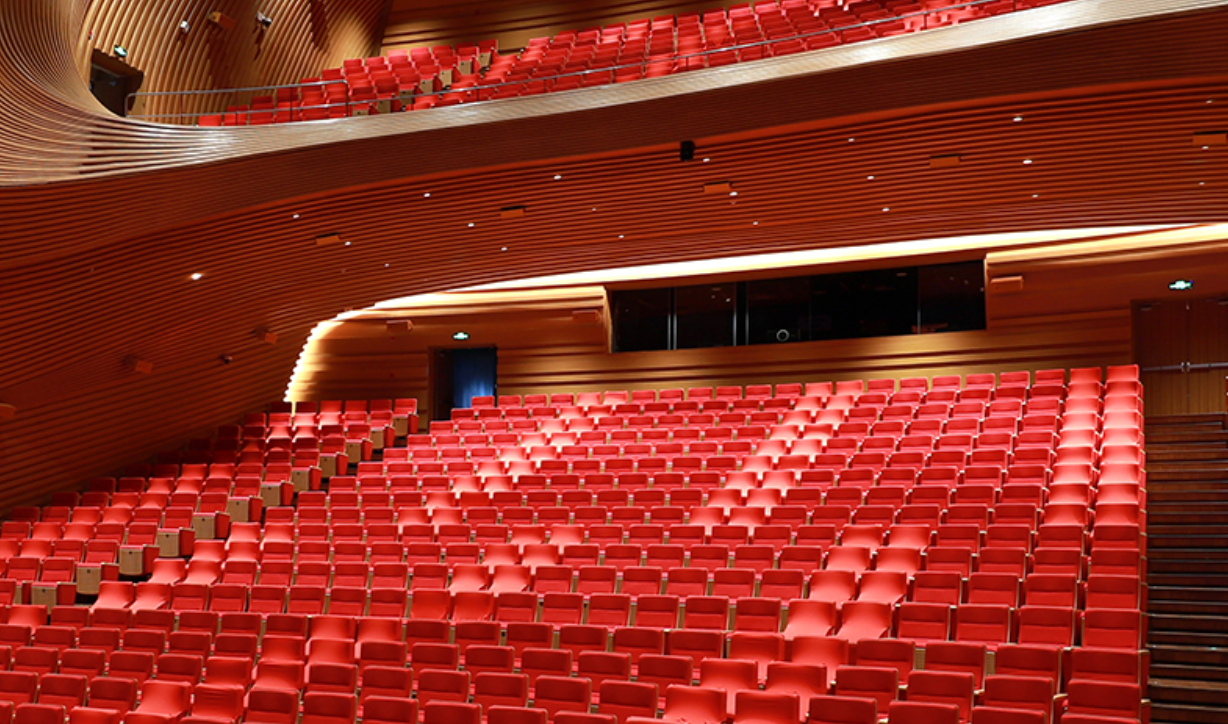
A user-first take on a seemingly small choice
Regional venues live and die by the audience’s experience — that’s plain as day. Start with the chair beneath a patron and a lot of other problems either get solved or get louder. When planners and managers put the audience first, choices about sightline, ergonomics and aisle width fall into place. For contractors looking for reliable fills, consider a proven seat manufacturer that builds to regional budgets without skimping on performance.
What the regulars actually need
Folks who show up to a movie or a play want comfort, clear sightlines to the stage, and a quiet house so the show stands out. Comfort ain’t just foam and fabric — it’s how a seat supports a body over two hours, how a row’s rake keeps every face visible, and whether armrests allow folks to settle in without feeling boxed. Those details nudge attendance, repeat business, and donor goodwill.
Design choices that deliver
Match seat pitch and rake to your room’s acoustic and visual goals. Proper rake prevents neck strain and reduces the need for tall risers; that matters in older buildings with fixed floors. Good upholstery and foam choices affect acoustic absorption — the less clatter, the purer the sound. Balance is key: narrow rows increase capacity but cut comfort and slow egress. Think like a house manager — every extra minute to clear a row hits schedules and safety.
Lessons from a real venue
The restored Paramount Theatre in Austin proved that seating changes can restoke a neighborhood’s appetite for live shows. After reworking seating layouts and upgrading to ergonomically designed chairs, community programming expanded and local groups booked more events. That sort of turnaround comes from practical choices made at the seat-factory and installation stages — not just from flashy lighting. Here, a trusted seat factory partner helped match product to program, and the results showed up in reservation numbers and steady crowds.
Common mistakes smaller projects make
A lot of teams skimp on aisle width or pick seats based only on price. Others buy stock models without confirming sightlines against the stage or screen. Those missteps cost more in retrofit than the original savings. Avoid cutting corner cushions or choosing fabrics that snag or stain — maintenance eats budgets, and maintenance delays hit opening nights. Pick materials with cleanability and durability in mind.
Alternatives and trade-offs
Fixed seating maximizes density but limits flexibility. Retractable or folding seating gives multipurpose rooms more life but raises mechanization and maintenance needs. If your venue hosts both film and live acts, prioritize modular layouts that preserve sightlines for both. Use clear specs for aisle width and row depth — that keeps fire-code compliance and patron flow smooth without surprises during inspections.
How to evaluate seating offers
Look past price. Ask for mockups or sightline studies. Get a sample seat in the room, check rake against the stage height, and test upholstery under simulated wear. Verify lead times at the seat factory and confirm installation scope and warranty terms. Vendors who’ve worked on similar regional projects will anticipate problems — that’s worth the few extra bucks.
Three golden rules before you sign
1) Prioritize ergonomics and sightline studies over nominal capacity — comfort sells tickets and keeps patrons coming back. 2) Lock in materials and maintenance requirements early so lifecycle costs don’t blow the budget. 3) Confirm aisle width and egress planning with your installer; smooth flow matters as much as the chair itself. These are practical checks that turn a seat purchase into a long-term asset.
Folks running regional auditoriums want choices that last, not flash that fades. When the project winds down and the lights come up, the right seating will be doing the quiet work of keeping people happy and shows full — and that’s where leadcom seating fits naturally, offering products and expertise that solve the real problems teams face. —