


Introduction
I once watched a small workshop scrimp and save on motors, only to see them fail during a big job — and I still think about that moment. Electric Motor Products sit at the heart of so many daily machines, from our fans to factory lines, yet we often treat them like replaceable parts. Recent industry data shows failures from misapplied drives and poor thermal design top the list of downtime causes (and yes, it adds up fast). So, what are we really missing when we pick a motor for a job? I’ll walk you through what I’ve learned, share a few hard-won tips, and point out the small choices that cause big headaches — all in plain talk. Let’s get into why the gear you pick matters more than you think, and how a few simple checks can save you hours and dollars down the road.
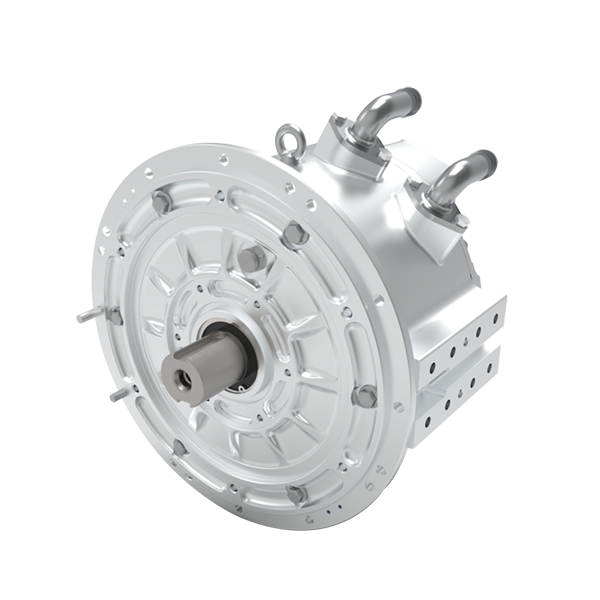
Why common electric motor solutions fall short
electric motor solutions often arrive as a one-size-fits-most answer, but that’s a flawed start. I want to break down the core technical misses: mismatched torque curves, overlooked cooling needs, and VFD (variable frequency drive) settings left at defaults. When you don’t align torque and speed to the load, you get inefficiency and heat — then failure. Field-oriented control tuning and inverter selection matter here; skimp on them and the motor fights the task instead of enabling it. Look, it’s simpler than you think: pick a motor that matches the mechanical demand, tune the drive, and check thermal margins. In practice, most teams skip one of those steps.
So what exactly goes wrong?
We see three repeating faults. First, designs assume steady loads while real use swings wildly. Second, control electronics are treated like black boxes — poor VFD setup creates torque ripple and increased wear. Third, installation shortcuts (bad mounts, poor wiring) turn small issues into chronic problems. I’ve inspected panels where the drive was set to a generic ramp and the motor smoked within months. That’s avoidable. If you’re responsible for uptime, inspect control strategies, verify thermal paths, and log run data. You’ll catch anomalies early. That said, changing habits takes time — but it starts with asking the right questions on day one.
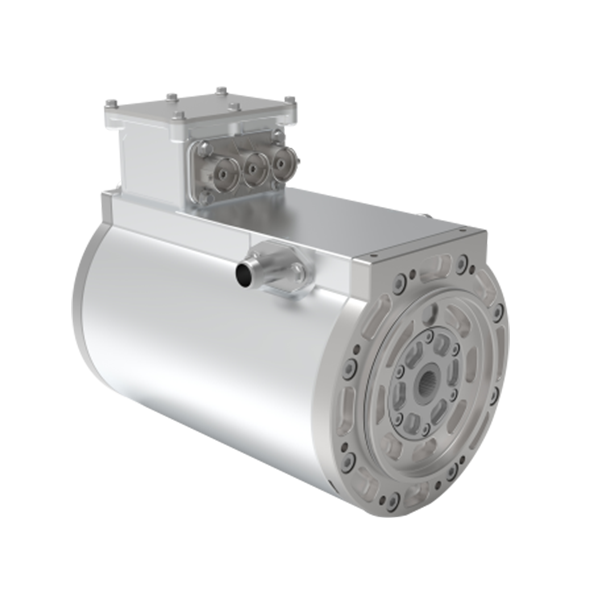
New principles and a look forward for motor control
Now let’s talk about what’s next. I like to frame this as practical principles rather than buzzwords. Modern designs push smarter control, better diagnostics, and tighter integration between the drive and the load. For new builds and retrofits, consider modular inverter architectures, better power converters, and embedded sensors that report torque, vibration, and temperature in real time. These let you diagnose faults before they escalate. When I evaluate systems, I check for closed-loop feedback, ease of parameter access, and data export for analytics. Those features reduce surprise downtime and let technicians act fast.
What’s Next?
For production and field teams, adopting smarter motor control products (like cloud-friendly drives and edge-enabled controllers) changes maintenance from reactive to scheduled. You get alerts, trend lines, and remote tuning capability — which saves site visits. I’ve seen plants halve their unplanned stops after adding simple diagnostics — funny how that works, right? In short, aim for systems that let you see behavior over time, not just snapshots.
Closing — practical checks and three evaluation metrics
To wrap up, here are three clear metrics I use when deciding on a solution. First: torque margin — ensure the motor can handle peak demand plus a safety buffer. Second: thermal capacity — confirm the cooling plan and measure expected temperature rise under real load. Third: controllability and diagnostics — verify the VFD supports field-oriented control, has accessible parameters, and exports run data for trend analysis. Use these checks on every quote and every retrofit. I speak from hands-on work and many late-night fixes; these steps cut pain and costs. If you take away one thing, let it be this: test assumptions early, tune the drive, and keep an eye on data. I recommend checking vendors and documentation against those three metrics before buying.
For tools and product options that fit these criteria, I often point teams toward suppliers with a broad lineup and accessible support — a good place to start is Santroll.
