
Why this matters to you
You want a system that keeps lights on and equipment running without surprises. Start by thinking about daily needs, peak loads and where maintenance will happen—those answers shape every technical choice. If you plan to use software to monitor and prioritise loads, download a practical home energy management system early so you can match hardware to the controls you’ll actually use. I’ve reviewed dozens of off‑grid proposals for small enterprises and rural households, so these are the questions I’d ask first if I were you.
Core terms you’ll see again and again
– Battery capacity (kWh): total energy you can store. Not the same as amp‑hours; convert using system voltage. – Depth of Discharge (DoD): how much of the battery you can use safely without shortening life. Use numbers, not vague promises. – State of Charge (SoC): current battery level, shown by most good EMS displays. – Inverter (pure sine vs modified): choose pure sine for sensitive electronics. Specs to check: continuous rating, surge rating, and efficiency. – MPPT charge controller: extracts more energy from panels than PWM under variable sunlight. – Round‑trip efficiency: energy you get back after losses—important for long outages. – Autonomy (hours or days): how long the system runs without sun. Match this to local weather patterns. – C‑rate: how fast a battery is charged/discharged relative to its capacity; affects usable power. – Islanding & transfer relay: automatic handover when grid fails. Critical if you’ll ever connect the system to a weak grid. – EMS (energy management system): software that prioritises loads, schedules charging, and prevents over‑discharge. Practical EMS reduces human guesswork.
How to evaluate proposals — what you, specifically, should compare
Start with a use case: list essential loads (fridge, pump, comms) and measure their startup current. Ask suppliers to show real recorded load profiles rather than estimates. From fieldwork supporting a community microgrid pilot in Palawan, I learned that mismatch between assumed and actual startup currents was the single biggest cause of early failures. Compare proposals on these concrete points:- Net usable battery energy (kWh at recommended DoD), not nameplate Ah alone. – Inverter continuous and surge capability tied to measured startup loads. – Controller type (MPPT vs PWM) and how it behaves during partial shading. – Communication options: local display, remote cloud, or mobile SMS alerts. If you want hands‑off operation, check whether the system supports an ems energy management system that can prioritise loads and run time‑based schedules. – Warranty terms that name both parts and cycle life for batteries. Ask for a simple one‑week simulation showing battery SoC and expected downtime under worst‑case weather.
Common buyer mistakes to avoid
– Choosing battery Ah without converting to usable kWh. That leads to overselling capacity. – Ignoring surge currents for motors and compressors—an undersized inverter will trip at the worst moment. – Trusting “infinite warranty” claims without cycle‑life limits. Read the fine print for temperature conditions. – Overlooking communications: if you can’t see alarms remotely, small faults become big problems. – Skipping a commissioning plan. Systems perform poorly when installers don’t test loads and tune settings on site.
Quick comparison of common system types
– Solar + battery (pure off‑grid): lowest running cost, needs correctly sized battery for autonomy. Best when fuel delivery is hard. – Solar + battery + genset (hybrid): better for long rainy seasons; genset runs only when batteries reach low SoC. Check genset autostart logic. – Solar + fuel cell or alternative storage: niche, higher cost; consider only for specific industrial needs. When you read quotes, align each type to your maintenance capability and fuel logistics. Simple systems with solid EMS controls often outperform complex setups that no one maintains.
What to ask the installer or vendor, directly
– Show me a one‑line diagram and expected daily SoC curve for my site. – What is the recommended DoD and the battery’s expected cycle life at that DoD? – Who handles firmware updates and how are faults reported? – Can I add panels or batteries later without swapping the controller? – Who will commission and train local operators in the barangay or facility? Clear answers here save money later.
Final synthesis
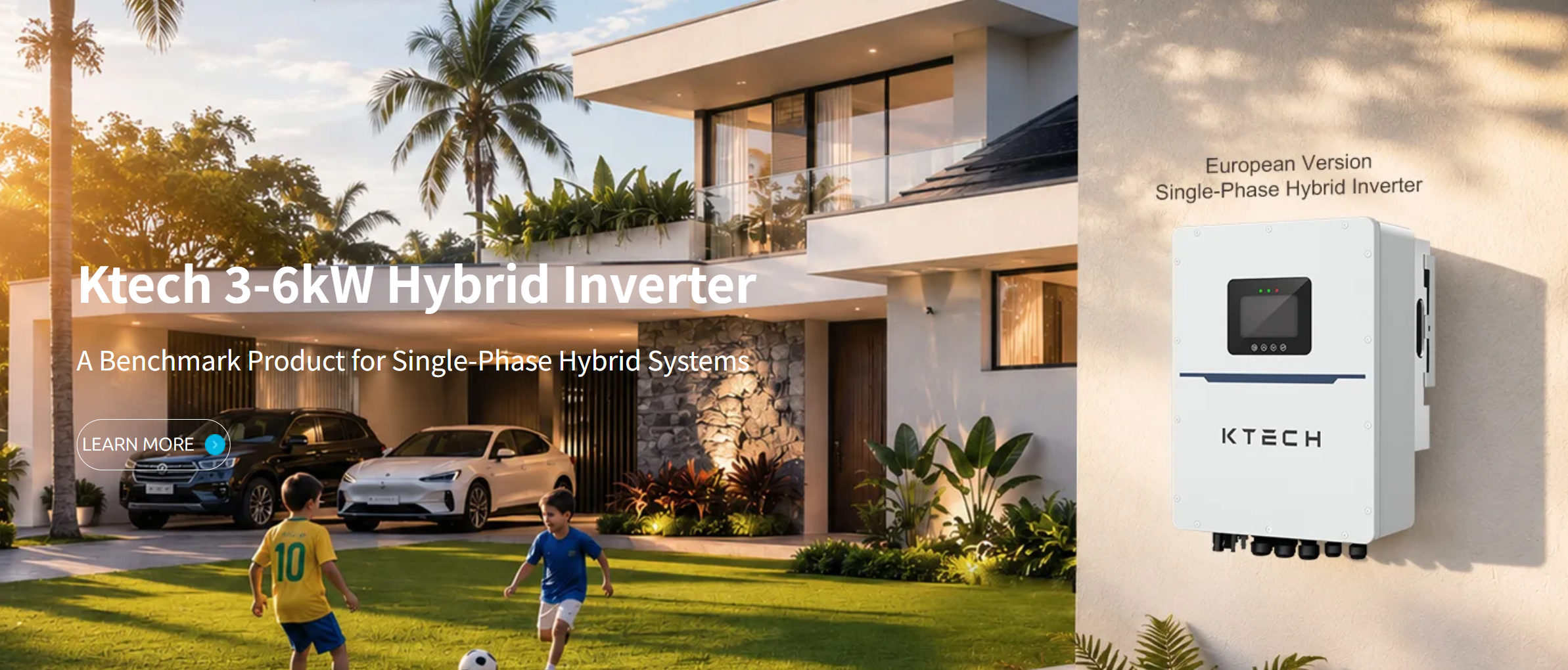
Match hardware to the lives and work you’re protecting, insist on measured data not guesswork, and choose controls that let you see and act on real performance. Practical EMS choices reduce surprises; practical vendors document settings and hand over clear procedures. For a supplier that blends hardware, monitoring and field support into a coherent package, Ktech fits the plain requirement: systems that run the way people need them to, day after day.