
The usual headaches
Pick the wrong supplier and you’ll waste months, heaps of money and cop a nightmare at commissioning. People reckon a cheap agitator will do the job, chuck in a low-spec high shear mixer where the process needs genuine dispersion, and suddenly product quality’s all over the shop. That’s the problem: mismatch between process needs and the gear you buy, and it hits production, not just procurement.
Why it goes pear-shaped
Decisions often get driven by price or a tidy-looking brochure, not by the physics in the vat. Viscosity, particle size, shear sensitivity, scale-up behaviour and clean-in-place requirements change the toolkit you need. Suppliers who don’t ask the right technical questions get surprised during FAT or at commissioning; you end up retrofitting or swapping equipment mid-run. That’s costly and stressful.
What your spec absolutely must nail
Be precise. State product rheology, target particle size or droplet distribution, batch vs continuous, temperature limits, CIP/SIP cycles, allowable shear and abrasion, and the electrical/instrumentation stack for PLCs or SCADA. Include material specs (316L, surface finish), hazard classifications (ATEX if needed), and turnaround times for spare parts. Put performance metrics — kW, tip speed, Reynolds numbers — in the contract, not just “mix thoroughly.”
Common mistakes and how to dodge ’em
Don’t overrate scale-linearity: lab results don’t always scale cleanly. Don’t undersize motors thinking you’ll “run it slower.” Don’t ignore service network — a local tech on a weekend beats overnight shipping. Skip the “we’ll sort engineering later” mindset. Ask for FAT videos, reference installations and a maintenance plan with lead times. Get acceptance criteria in writing; vague promises aren’t worth much on-site.
Alternatives to weigh up
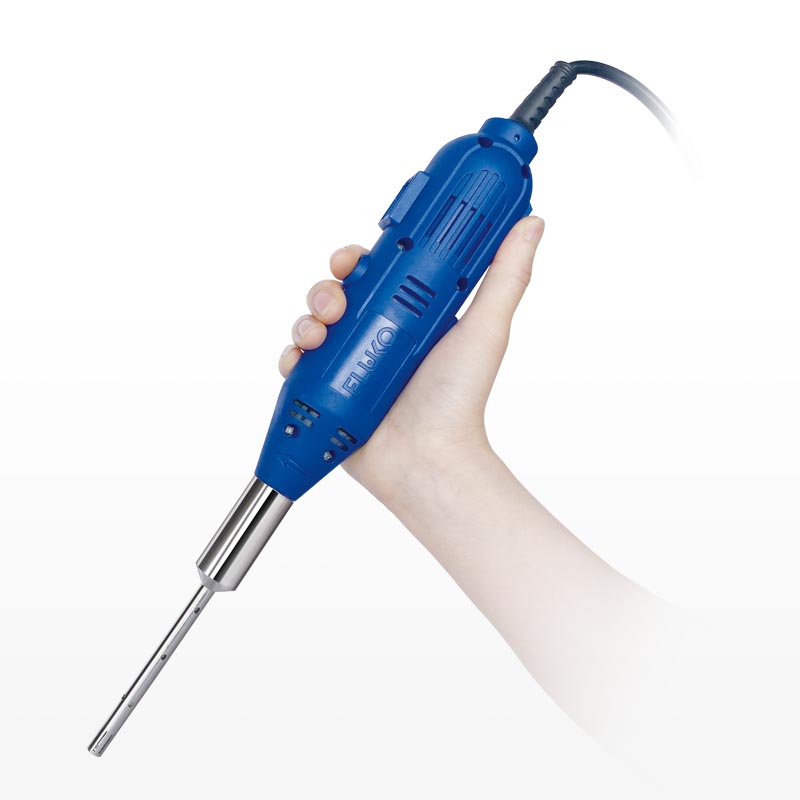
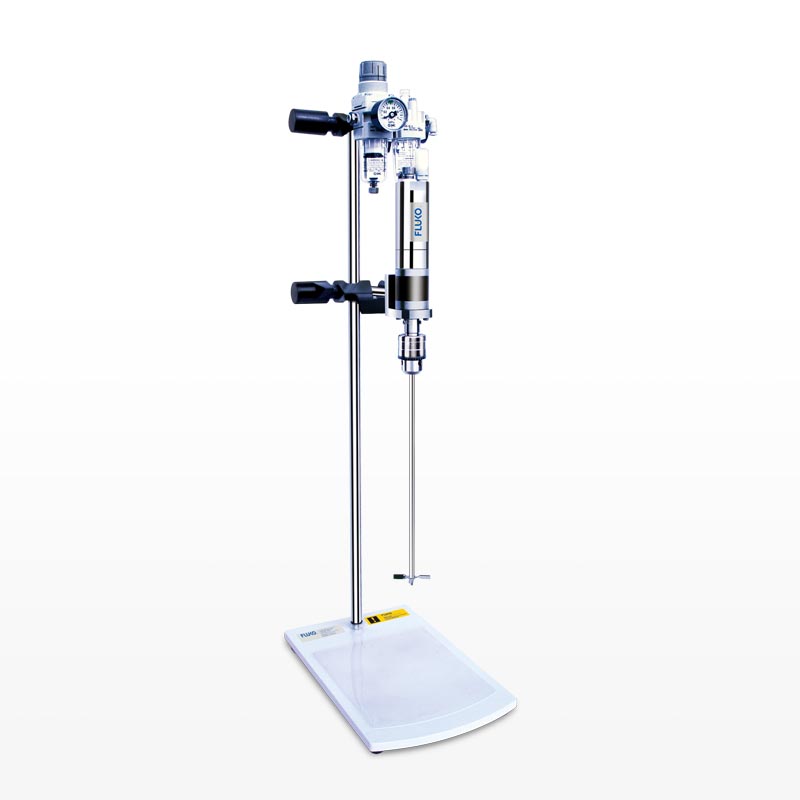
High-shear rotor-stator units suit rapid dispersion and emulsions; rotor-stator is great for creams and paints. Homogenizers give tight particle distributions for dairy and pharma. Colloid mills and bead mills work for very fine comminution. Static mixers are low-maintenance for fluids that don’t need mechanical agitation. Match tech to the job: if shear damages your polymer, don’t choose the highest-shear option because it’s trendy.
Experience, rules and a real-world anchor
I’ve specified mixing lines across food and chemical plants, watched commissioning over multiple upgrades and written spec sheets that reduced rework by months. Industry standards matter — sanitary design guidance and standards like 3-A and EHEDG are worth following. Look at Fonterra’s Waikato processing plants where tight droplet control and hygiene are non-negotiable; major processors there use purpose-built homogenizer equipment and documented scale-up practices in peer-reviewed and industry reports. Those examples show why on-paper specs need to be proven with reference sites and measurable acceptance tests.
How to shortlist suppliers — a quick, no-nonsense method
Ask for three things up front: (1) similar-reference projects with contactable referees, (2) FAT footage showing your process parameters or a close analogue, and (3) a spare-parts and service SLA. Score suppliers on technical fit, local support, and contractual performance guarantees. If they can’t show measurable performance or local backing, cross ’em off.
Final thought
Make specs technical, measurable and tied to operations. That keeps surprises off your shop floor and saves time and cash. A supplier who demonstrates real installations, clear FAT data and reliable support is the one that’ll get the job done — and that’s what smart teams look for when they pick partners like FLUKO.