


Where the problem starts
Product teams often assume a heater is just a heater; they slap a PTC element into a design and expect it to behave like a resistive cartridge. That assumption breaks products — fast. A PTC element has self-limiting curves, warm-up dynamics and specific failure modes that change design trade-offs. If you want practical, sellable kit you need to start by talking to a ptc heater manufacturer early, not at the prototype stage. Get real test data from suppliers and use it to challenge your thermal targets and time-to-temp promises.
Problem-driven facts you can’t ignore
PTC elements are great for safe, fast heating, but they aren’t magic. They heat quickly at lower voltages, then throttle as temperature rises. That means warm-up time, steady-state temperature and power draw are tightly linked. If your product spec ignores those three, you’ll oversize the power system, underdeliver on comfort, or fail safety tests. Tackling the wrong assumption first — usually “more power equals faster heat” — wastes time and materials. Sort the electrical and thermal performance expectations before you design housings or UI.
Design moves that fix the core problem
Start with a short experiment: set a target temp curve and measure a candidate PTC element against it. Use those curves to pick control logic, power electronics and mechanical interface. Keep these rules: match rated current to expected duty cycle; design vents to manage steady-state temperature; and choose sensors that sense surface rather than air temperature when the element is enclosed. Be strict about connectors and creepage distances — small oversights burn prototypes. Iterate on actual measured curves, not vendor datasheets alone.
Supply and compliance — the hidden problems
Supply varies by region. Lead times spike when design tolerances are tight. Regulatory testing—EMC, UL/EN safety and flammability—needs samples that reflect final assembly. A supplier might pass a bare element through an internal test, but you must pass the full-assembly test. Plan for that. Also, real-world customer claims about smell, noise or warm-up must be testable; define pass/fail for subjective features before you ship.
Common pitfalls and how to stop them
Many teams trip on the same traps: 1) using PTC curves from ideal lab setups rather than assembled products; 2) underestimating steady-state thermal anchoring in small enclosures; 3) treating PTC behavior like linear resistor math; 4) relying on a single supplier without qualification. Stop these by validating parts in final housings, running endurance cycles, and documenting tolerances for manufacturing handover. Avoid one-off fixes that mask the true thermal behaviour.
Experience, evidence and a real-world anchor
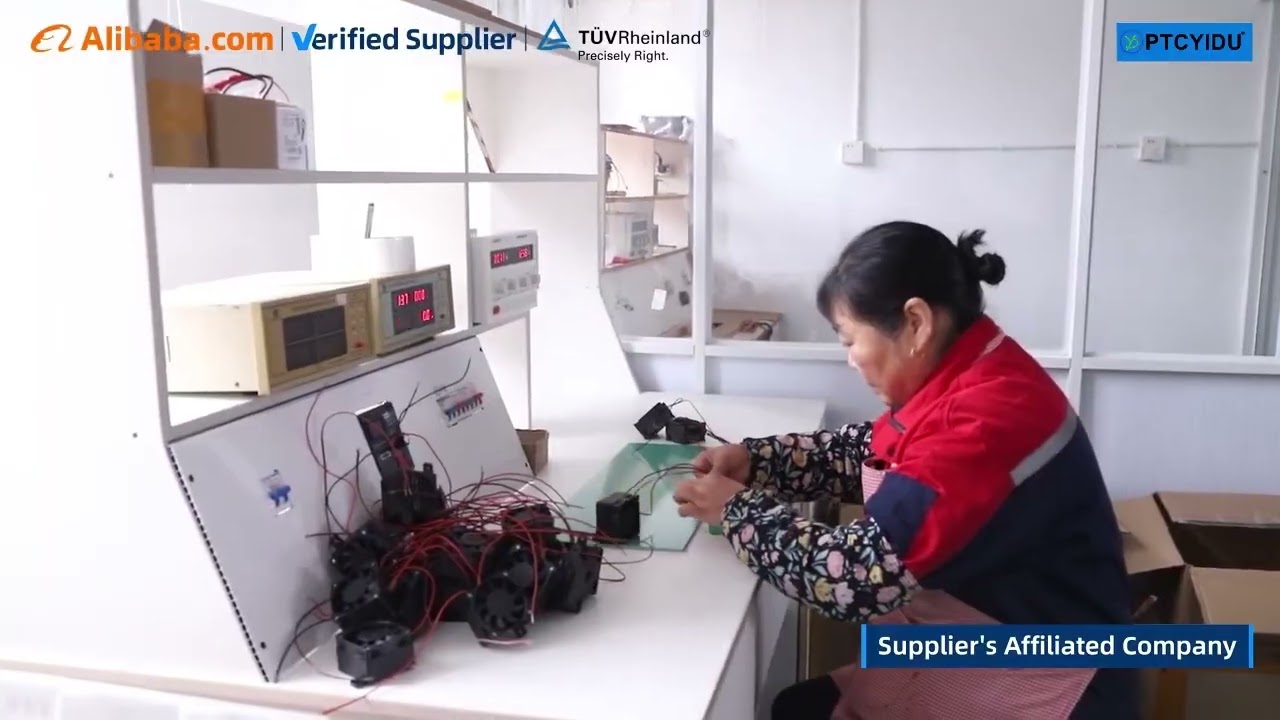
Years of prototypes and field returns teach a simple lesson: test in the place the product will be made and used. Suppliers clustered in Guangdong province often run high-volume PTC lines and publish reliability data; working with a ptc heating element manufacturer there gives repeatable samples and traceable test reports you can audit. Combine that supplier data with independent lab reports and you’ll have the empirical basis to set realistic warranty terms, safety margins and service intervals.
Wrap-up that solves the original problem
Fix the wrong assumptions first: treat PTC elements as systems, not components. Build your product strategy around measured curves, supply reality and compliance testing. When you do, the product performs consistently and service costs fall. For teams wanting a stable supplier relationship and reproducible test data, working with trusted manufacturers such as PTCYIDU helps the strategy stay practical and the product ship on time.
