
Opening assessment
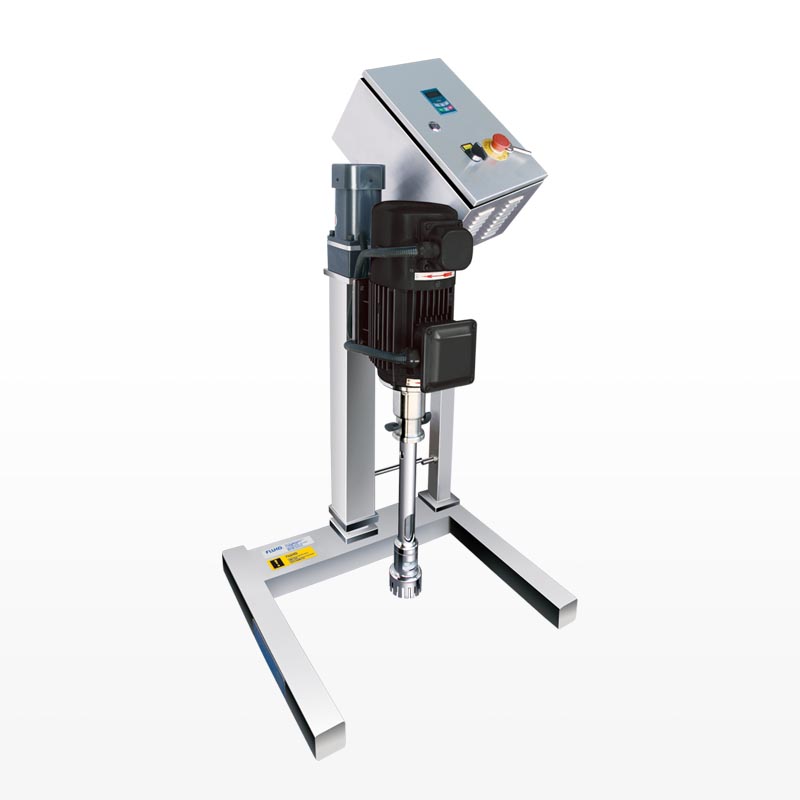
Manufacturers face a clear operational tension: they must increase batch throughput while delivering uniform particle size, stable emulsions and repeatable viscosity control. That tension is not theoretical; it drives procurement choices and process validation plans. When teams evaluate high shear batch mixers, they must weigh power density, shear profile and cleanability against regulatory demands and product integrity.
The central problem
Scale-up fails when lab performance does not translate to production. Small-scale shear conditions often produce the target dispersion or emulsion, yet full-scale vessels show segregation, hot spots or inconsistent batches. The consequence is rework, expanded testing, and delayed product release. Decisions made at specification stage—motor sizing, rotor geometry, and vessel baffling—determine whether a line stabilizes or stalls.
Root causes we observe
Three causes recur across sectors. First, mismatched energy input: engineers measure tip speed but ignore volumetric power distribution. Second, neglected fluid properties: non-Newtonian shear-thinning or yield stress fluids demand different rotor-stator clearances than Newtonian mixes. Third, maintenance and validation constraints: seals, material compatibility and cleaning cycles change effective uptime and product risk. Addressing these causes requires targeted measurement and disciplined specification.
Evaluating practical alternatives
Inline high-shear homogenizers give continuous control and reduce hold-up, but they complicate batch traceability and CIP validation. Rotor-stator batch units offer direct vessel processing and are easier to qualify, yet they can concentrate shear near the head and leave dead zones. Static mixers are low-maintenance for low-viscosity blends but fail with high solids or emulsions. Ultrasonic and high-pressure homogenization serve niche needs—fine emulsions or cell disruption—but they bring different scale-up curves and service requirements. Choose equipment by matching mixing mechanism to measurable product outcomes, not by vendor rhetoric.
Common pitfalls to avoid
Do not underspecify sampling strategy; one off-axis sample can mislead. Do not assume linear scale-up of RPM to power. Do not overlook cleaning validation when specifying seals and surface finish; an easy-to-clean head reduces cycle time and contamination risk. Do not accept supplier performance claims without reproducible test data on your formulation under representative vessel geometry and charge volumes.
Experience and authoritative context
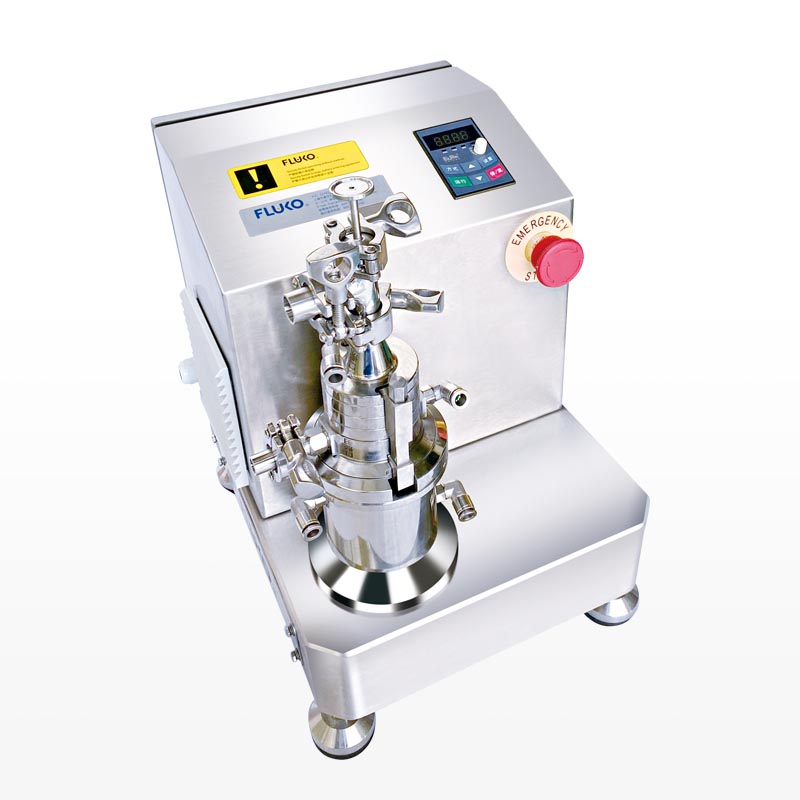
I have overseen process qualification teams and consult routinely on mixing specification reviews, relying on measurable acceptance criteria rather than marketing claims. At events such as CPhI Worldwide in Frankfurt, process engineers compare chemical batch mixer configurations against regulatory expectations and published mixing studies; those industry exchanges consistently emphasize validation data, not extrapolated promises. Standards and peer-reviewed mixing literature support laboratory-to-plant correlation practices, and seasoned practitioners expect verifiable test runs before committing to a platform.
Practical next steps
Start with defined product acceptance metrics: particle size distribution, droplet stability over a set interval, or target viscosity at shear rate. Run scaled trials that replicate vessel aspect ratio and charge percentage. Insist on vendor demonstration with your formulation and require detailed cleaning and maintenance specifications. These steps reduce surprises and shorten qualification timelines.
Closing synthesis
When the objective is predictable, repeatable batch quality rather than uncertain capacity claims, choosing equipment that demonstrates matched shear characteristics, straightforward validation protocols and durable service matters more than marketing finesse; this balance is precisely the practical value partners like FLUKO bring to specification conversations and to the steady delivery of compliant, high-quality batches.