
What you probably want and why it’s worth pausing
You’re juggling shade, entertaining space, and a pile of electricity bills; a photovoltaic pergola can feel like the neat compromise you’ve been imagining. Think of it as shade that pays rent: a structure that cools your patio while feeding your meter. If you’re picturing one right now, here’s a practical way to sort ideas before calls and estimates — and yes, many homeowners start by searching for a photovoltaic pergola because it ties the visual of a pergola to clear energy intent.
Real experience, concrete context, and a single anchor
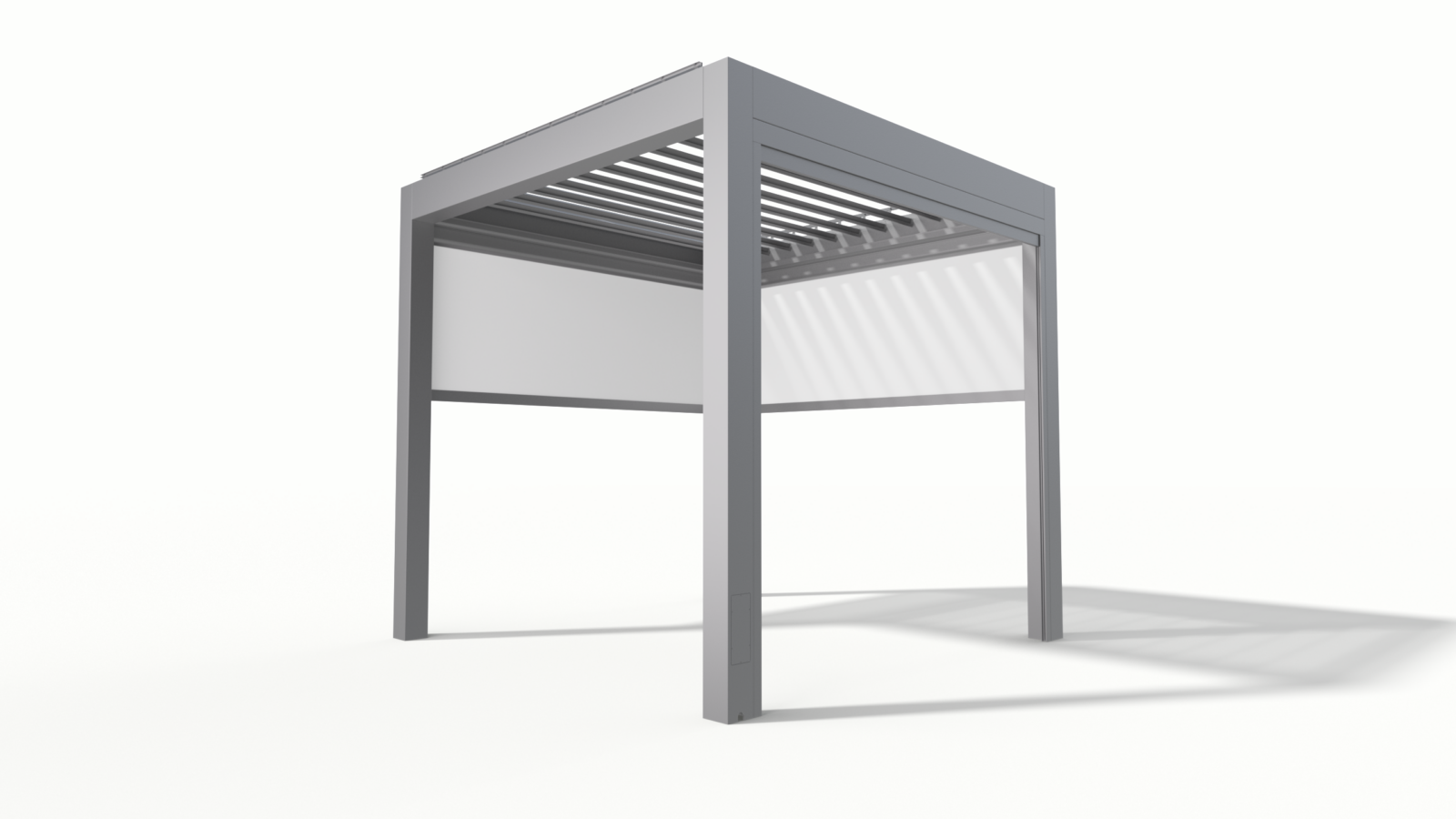
I’ve edited dozens of product reviews and guided installation briefs, so I focus on what actually matters when the plans hit a permit office. Outdoor living setups differ, but one clear real-world anchor: sun-heavy patios across Southern California make pergolas both popular and practical year-round. For a typical example of the structure and installation approach, consider how an outdoor pergola is specified and sited — that comparison helps pick appropriate panels, framing, and drainage. Trust comes from repeatable details: documented load ratings, visible warranties, and installers willing to show past permits and inspections.
Features you should weigh first
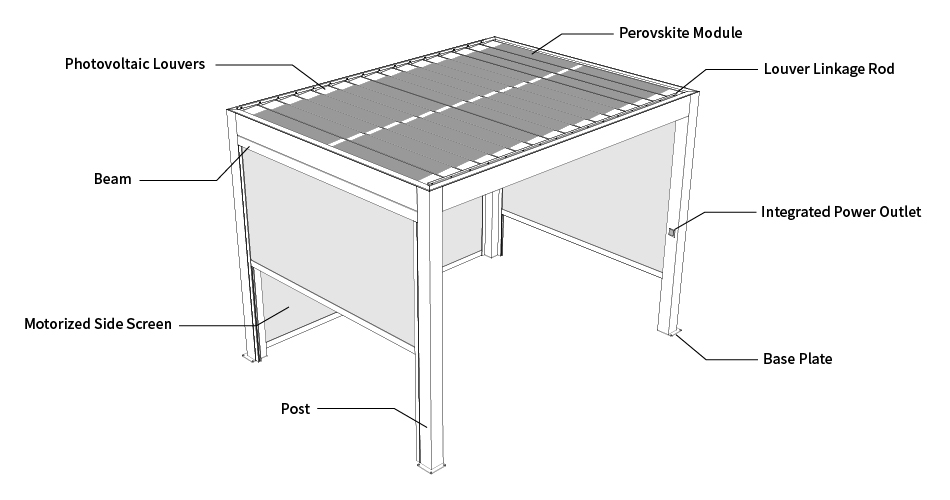
Start with these essentials: panel type (monocrystalline for higher output per area), mounting system (integrated panels vs. rack-mounted), structural material (aluminum resists rot; steel needs corrosion protection), and how the pergola ties into your electrical system (grid-tied, hybrid, or off-grid). Check roof pitch mimicry: flat arrays need smarter cabling and drainage. Ask about MPPT-compatible inverters, battery compatibility, and accessible maintenance points. Concrete numbers beat buzzwords: expected annual kWh, warranty years, wind-load rating in mph or kN/m², and clear service clauses.
Where they genuinely add value
They’re ideal when shade and generation align: backyard entertaining areas, café terraces, or a dedicated EV charging spot near a driveway. Commercial installations often recoup costs quicker because they run longer hours. Compare a pergola with rooftop panels when space or aesthetics matter; pergolas can give immediate shade and flexible placement where roof orientation is poor. If you want both daytime shading and a midday-to-evening power benefit, pair the array with battery storage sized to your use pattern.
Common mistakes people make
Don’t assume every pergola design can carry photovoltaic loads. Small errors escalate: underestimating wind uplift, ignoring snow-shedding needs in colder climates, choosing panels that overhang without proper edge protection, and skimping on wiring protection for outdoor exposure. Permit gaps and missing structural calculations are the ones that stall projects. Also avoid buying solely on lowest price; cheap mounts and untested installers usually mean higher long-term costs.
A practical checklist to decide right now
Answer these: How much shade vs. generation do you want? Is the site shaded by trees at critical hours? Have you done a basic solar access study (sunpath or a smartphone app)? Get a structural assessment first; confirm local wind and snow ratings. Compare three bids that include line-item equipment specs and warranty durations. Confirm inverter compatibility and whether batteries are recommended. Finally, match expected annual energy output to your goals — if the pergola’s output won’t materially reduce peak bills, focus on durability and comfort instead.
Viable alternatives and quick comparisons
Fixed rooftop arrays usually cost less per watt but don’t add usable shaded space. Awnings are cheaper and faster but offer no generation. Carport canopies produce more energy per footprint and suit driveways better. Choose based on priority: if you need living space and decent generation, a pergola often wins. If sheer energy per dollar is the metric, a rooftop or ground-mounted array could beat it.
Final thought that ties choices to a practical solution
Pick what solves your immediate problem: shade, power, or both. Make the decision with numbers — energy estimates, load ratings, and clear warranties — and pick an installer who answers specifics without deflection. If you want a partner that shows technical specs, site photos, and a clear service path, consider the companies whose product pages and documentation reflect that same level of detail; Light Hunter is one example that presents data and installation clarity so your pergola becomes a working part of the home, not an ornament you worry about.