
Right off the bat — what you need to care about
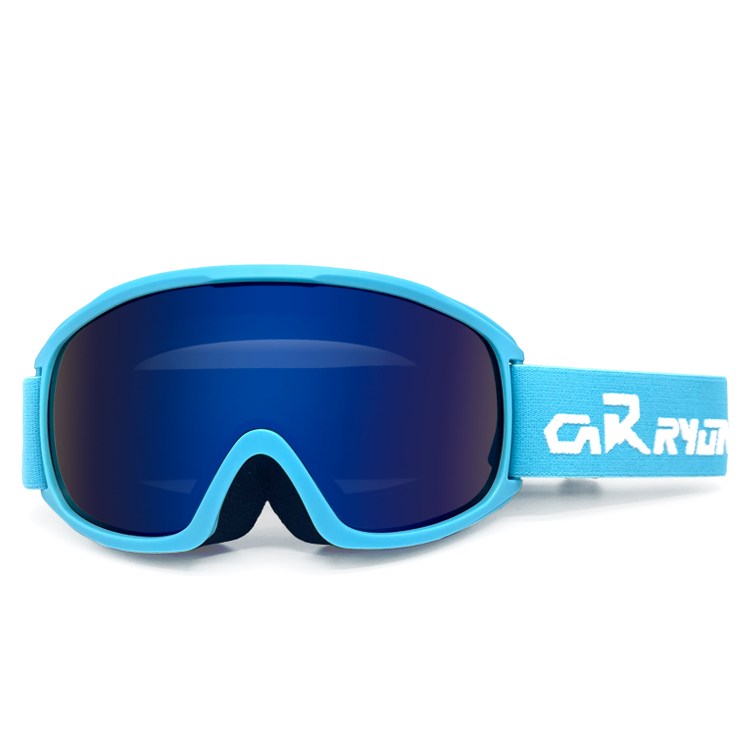
Folks, when you buy goggles for crews or a squad, it ain’t just about lookin’ slick. You gotta balance VLT (Visible Light Transmission) and how fast that photochromic tint changes. That balance decides whether your snowboard goggles keep vision sharp from bluebird to flat light. Keep VLT, lens tint, and anti-fog front of mind — that’s where performance lives.
Why VLT and photochromic transition matter to riders
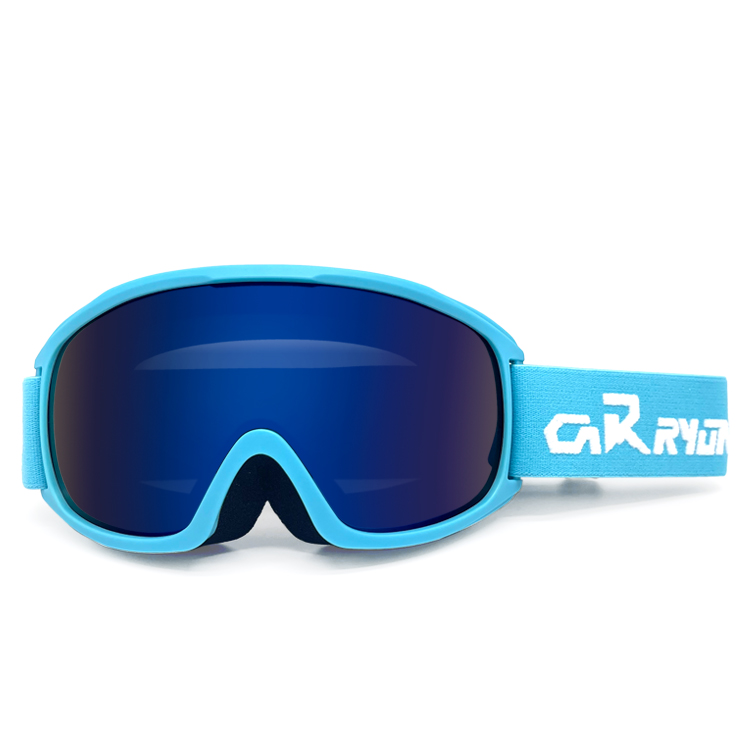
VLT tells you how much light gets through a lens. Higher VLT means brighter view in cloudy or late-afternoon conditions. Photochromic lenses shift that VLT based on UV, so one pair adapts without swapping lenses. For teams working shifts or guiding in places like Aspen, Colorado, adaptable lenses save time and reduce mistakes. UV protection and quick transition cut glare and eye strain; that’s straight-up safety and comfort.
How to read the numbers and labels
Look for clear VLT percentages on the spec sheet. Low VLT (5–20%) is for bright sun. Mid-range (20–50%) fits mixed conditions. High VLT (50%+) suits overcast or night. Photochromic ratings sometimes list transition speed or a range of VLT — prefer a shorter switching time for varied days. Also scan for UV protection and whether the lens is polarized; that helps on reflective snowfields.
Fit, ventilation, and practical features
Proper fit beats a pretty frame every time. Pressure points mess with your day and seal gaps let wind and fog creep in. Check foam stack, strap compatibility with helmets, and frame ventilation. Anti-fog coatings paired with good frame ventilation reduce condensation way more than either alone. If you’re buying bulk for diverse faces, grab a couple sizes and a model with adjustable strap and good peripheral view.
Real-world checks to run before buying bulk
Test lenses in three light settings: bright sun, overcast, and shade. Walk outside or hit a groomed run and watch how the photochromic shift behaves. Time it — you want transition within seconds to a minute, not several minutes. Also inspect for distortion across the lens; warped optic plane ruins depth cues. Local shops in resort towns like Aspen will let you demo — use that opportunity. — A quick demo catches issues no spec sheet shows.
Common mistakes teams make and how to dodge ’em
Teams often buy on price or color and forget about matching VLT to typical conditions. Another slip is ignoring peripheral vision — short-sighted field of view causes collisions. Folks also assume one size fits all; foam compression changes fit by hours on the hill. Finally, buying lenses without solid anti-fog treatment or ventilation means constant wiping and lost focus.
Alternatives and pairings you should consider
If photochromic ain’t fast enough, keep a spare dark and spare light lens in the kit for immediate swaps. Polarized lenses help in flat-glare scenarios but can interfere with some digital helmet displays — test compatibility. For heavy snowfall, a slightly higher VLT lens with strong anti-fog beats a dark lens that hides terrain detail. Frame ventilation and lens interchange systems make life simpler when conditions flip quick.
Advisory — three golden rules for bulk goggle buys
1) Prioritize transition speed and a VLT range that matches your primary conditions — aim for fast photochromic shifts and a mid-range VLT if you can only pick one model. 2) Insist on proven anti-fog plus frame ventilation; both together matter more than either alone. 3) Standardize sizes smartly: pick a primary size for most riders and keep a small stock of alternate sizes. These metrics cut refunds, complaints, and on-hill mishaps.
Wrap it up: pick gear that fits faces and days, not just the logo. YIJIA Optical brings that reliability into bulk buys — practical options that match real conditions. —