
Where the Old Fixes Fall Short
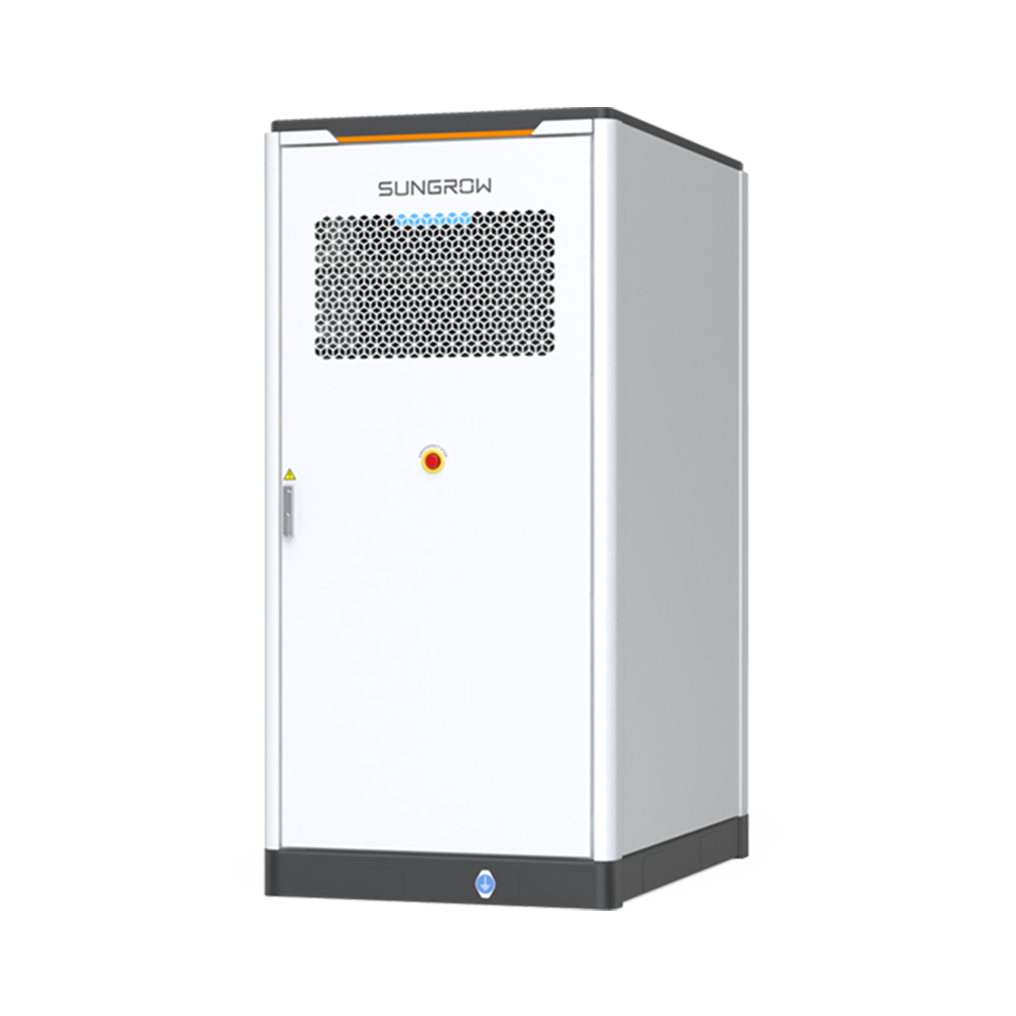
I remember a sweltering July day in Dallas when our crew watched a rented Li‑ion bank (1.2 MWh, NMC cells) sit mostly unused while the utility slapped a $2,300 peak demand bill on the warehouse — that’s a 28% monthly jump; how do we stop bleeding money like that? I lay out these stories because C&I Energy Storage gets talked about a lot, but the dirty work comes in the details — and that starts with commercial battery storage systems and how folks spec ’em. I tell ya, after over 15 years moving gear through supply chains and commissioning sites from Austin to El Paso, I can point to three repeat offenders: oversized capacity that never sees cycles, mismatched inverters causing throttled output, and systems with poor round‑trip efficiency that make savings fade fast.
Why do standard designs fail?
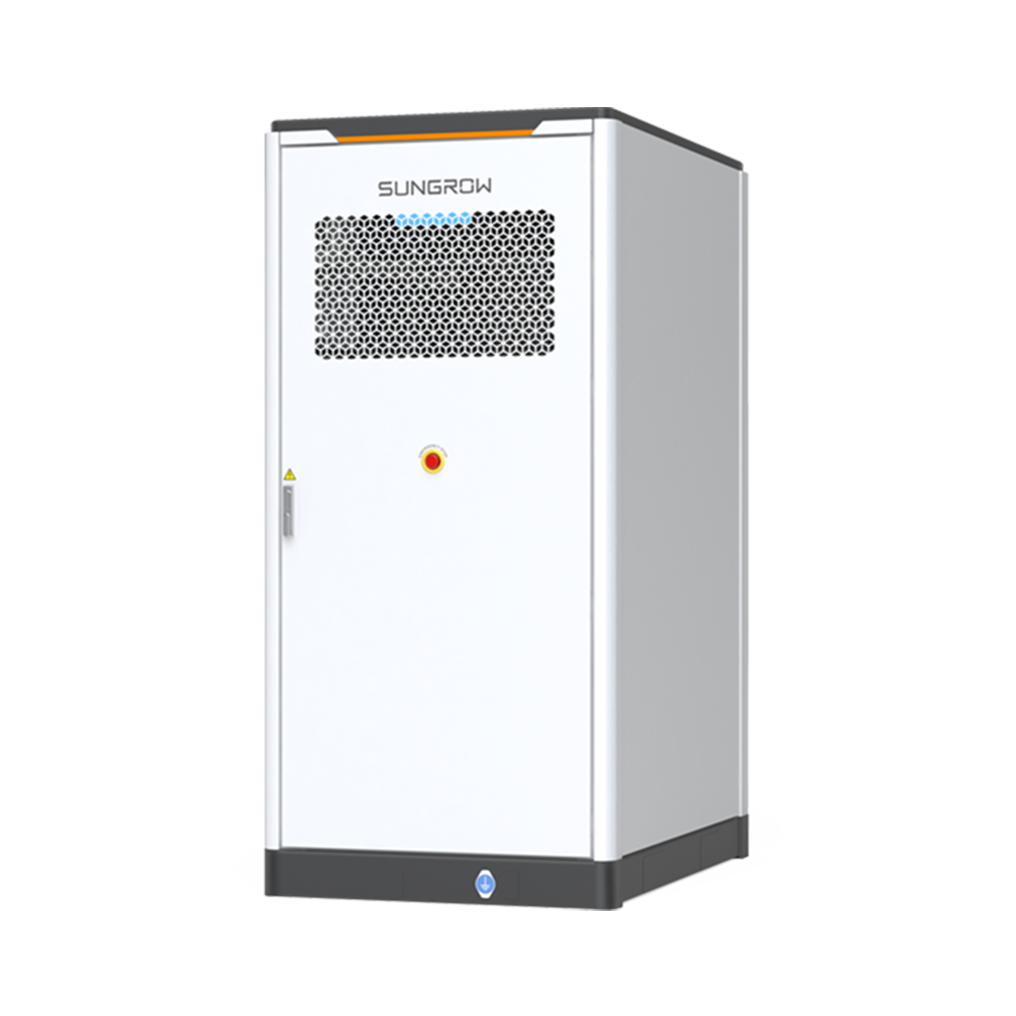
We’ve installed BESS at a Dallas distribution center in July 2022 and again at a San Antonio data hub in Feb 2023; in both cases the one-size-fits-all setup left owners paying for capacity they didn’t use. I saw an inverter — undersized — limit discharge during an outage, and another system’s poor controls prevented peak shaving when it mattered. Those are concrete failures: lost resilience, missed revenue from demand charge reduction, and shortened asset life (which translates to real dollars). That — right there — explains why tweaking specs matters more than shiny marketing copy. Let me walk you from there into what better looks like next.
Building the Better System — A Technical Look Ahead
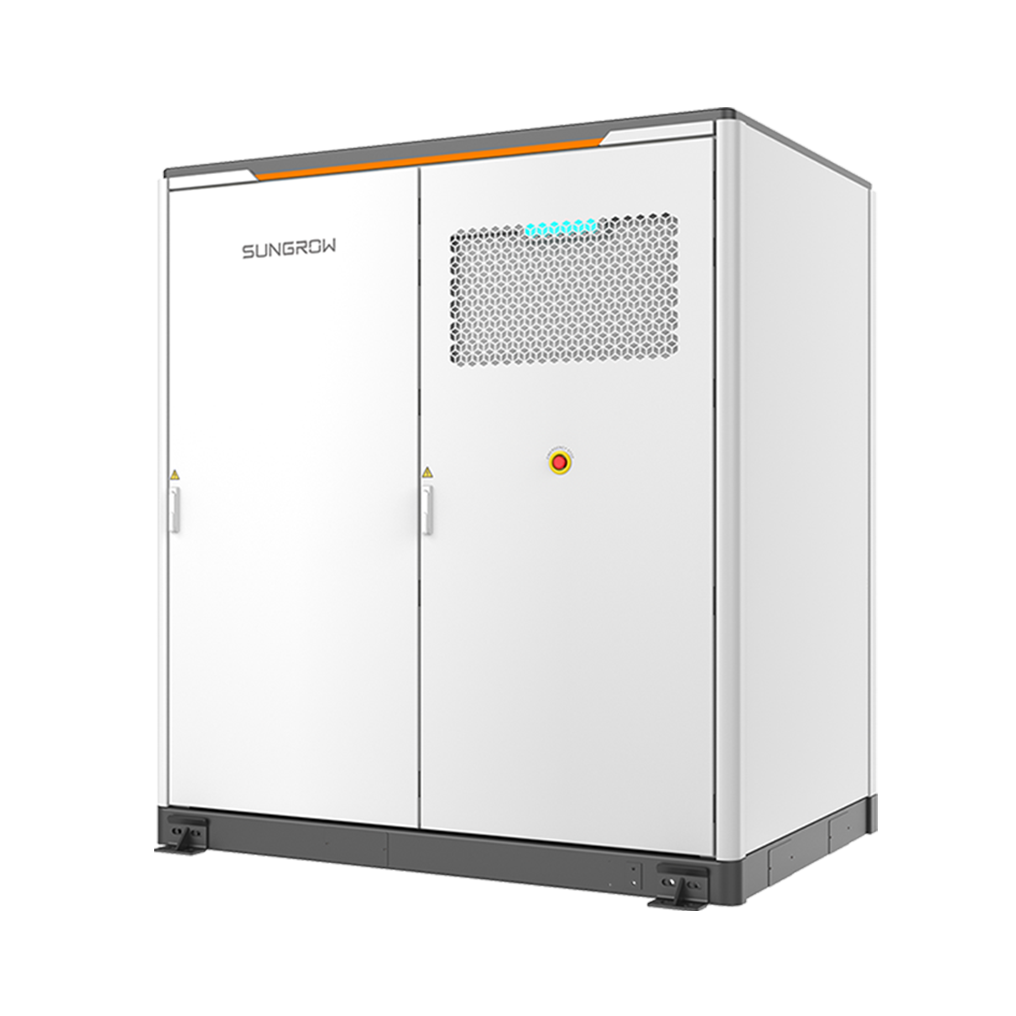
Now I switch gears and get practical: the future of commercial battery storage lies in systems designed around operational profiles, not just nameplate energy. When I evaluate projects I ask for the load histogram, the tariff detail, and the critical backup window — then I size the BESS and select the inverter to match those specifics. You want a system that can do peak shaving, provide frequency regulation, and still preserve cycle life; that means paying attention to round‑trip efficiency, depth of discharge limits, and thermal management. In my work — and I mean real installs in Texas warehouses and a rooftop retail site last October — the best results came from integrated control logic that shifts from daily arbitrage to backup mode seamlessly (no human babysitting). If you’re comparing vendors, look past headline kWh numbers and probe how their EMS handles rapid cycling, regen, and grid events. That’s where commercial battery storage systems earn their keep — or don’t.
What’s Next?
We need to get metric-driven about choices — and I keep this simple because complexity tends to hide risk. Here are three hard evaluation metrics I use when I advise wholesale buyers: 1) Measured round‑trip efficiency under realistic profiles (not just lab claims), 2) Proven inverter throughput for your peak demand events (kW sustained), and 3) Lifecycle cost per delivered kWh accounting for degradation and replacement schedule. I recommend testing those with a short pilot, and — yes — I’ve run such pilots that cut monthly demand bills by about 30% within three months. So, measure, pilot, and then scale; that combination tells you whether the system is saving money or just looking pretty on paper. For practical partners, I point to brands that stand behind specs — like sungrow. Trust me — I’ve seen the difference up close, and it shows in the ledger.