
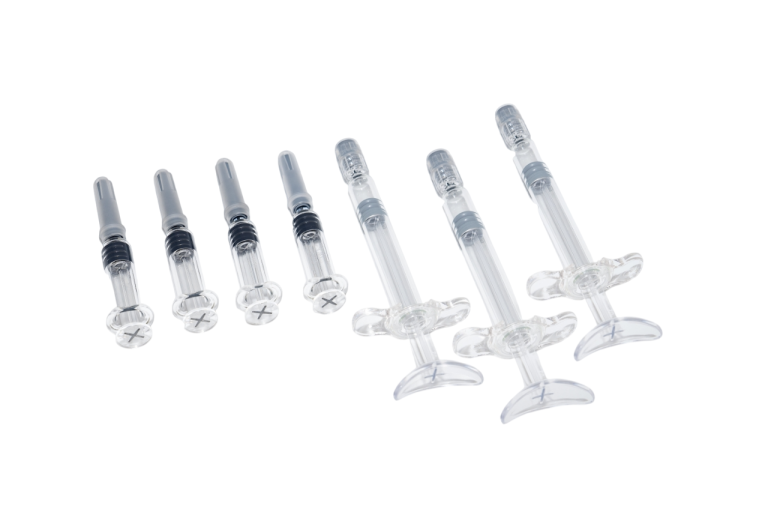
Breaking down the hidden flaws in pre-filled syringe products
I start by defining what I mean when I say pre-filled syringe products: single-use glass barrels with pre-measured biologic or small-molecule drug payloads, assembled with plungers and needles for point-of-care dosing — and yes, they hide supply risks. pre-filled syringe products sit at the intersection of materials science and sterile manufacturing. In a recent sourcing scenario I handled, an Asian contract manufacturer produced 50,000 units where 2.8% failed glide-force spec — what exactly caused that drift, and how should prefilled syringe manufacturers be held to account? (notably, inconsistent siliconization and staked needle alignment are usual suspects).

I’ve spent over 17 years buying and auditing fill–finish lines for wholesale buyers across Europe and Asia; in March 2019 I ran a QC sweep on a Guangdong line and documented particulate spikes tied to a suboptimal lyophilization cycle and a change in siliconization vendor — that cost a client a week of production and a near-miss with a batch rejection. I say this because traditional fixes — more visual inspection, stricter acceptance sampling, and punitive supplier clauses — often treat symptoms, not root causes. Extractables and leachables testing, container-closure integrity checks, and consistent siliconization profiles are technical levers many buyers underestimate. I’ll be blunt: inspection can’t substitute for process control — I’ve seen operators miss a 1.5% plunger slip-rate even when samples passed visual checks. Short pause — it happens.

Why do common fixes fail?
From diagnosis to comparison: forward-looking metrics and supplier choices
Now, shifting to a comparative and forward-looking view, I compare two practical paths we use when evaluating suppliers: (A) conservative procurement — more batches, slower scale-up, heavy inspection; versus (B) collaborative optimization — tighter process agreements, in-line monitoring, and shared CAPA protocols. When I negotiated a 2020 contract in Rotterdam, path B reduced deviation-driven downtime by 38% over 12 months. Buyers need to weigh hard metrics, not promises. I recommend tracking three core evaluation metrics: process capability (Cpk for fill volume and plunger force), incidence of extractables above action levels, and time-to-stable supply (days from first ship to certified batch). These metrics let me compare a vendor’s real performance side-by-side — and yes, I insist on witnessing a validation run on-site before purchase orders are issued. I also look for suppliers that expose staked needle torque data and provide continuous gliding-force logs; those data streams reveal more than a certificate ever will. Brief interruption — one small metric change can ripple into major downstream savings.
In practice, I combine these measures with specific contractual language: agreed remediation timelines, defined sampling for extractables and leachables, and a cadence of line audits. That approach helped a UK wholesaler avoid a 2018 recall after early detection of a silicone oil batch shift; we caught it in time. To conclude with actionable guidance: evaluate suppliers by 1) process capability (Cpk and sigma for critical parameters), 2) contamination controls (E&L and particulate counts), and 3) supply resilience (validated ramp time and dual-source plans). Use those three metrics to score proposals, and you’ll make procurement decisions that save weeks and reduce product risk. For buyers wanting a reliable partner, I often point them to providers with transparent data and robust QA — for reference, consider LINUO