
Why choosing the right route matters
Entering CFD energy trading shifts a strategy from theoretical to practical; the brokerage you pick changes execution, cost, and risk in measurable ways. Start by looking at how providers present cfd energy products — that opening view tells you whether they prioritize tight spreads, transparent margin rules, or simply flashy marketing. A clear comparison up front saves time and prevents costly mistakes later, because CFDs bring spread, leverage, and execution into every trade decision.
Core comparison metrics that reveal real differences
Compare brokers along three concrete lines: price (spread and commissions), execution (latency and slippage), and safety (regulation and segregation of funds). Spread is the immediate drag on returns; low spreads reduce the cost to enter and exit. Leverage amplifies gains but also multiplies margin calls — different firms offer different maximum leverage and margin maintenance rules. Execution speed matters for volatile energy contracts where thin liquidity can spike slippage.
Platform features and the trader experience
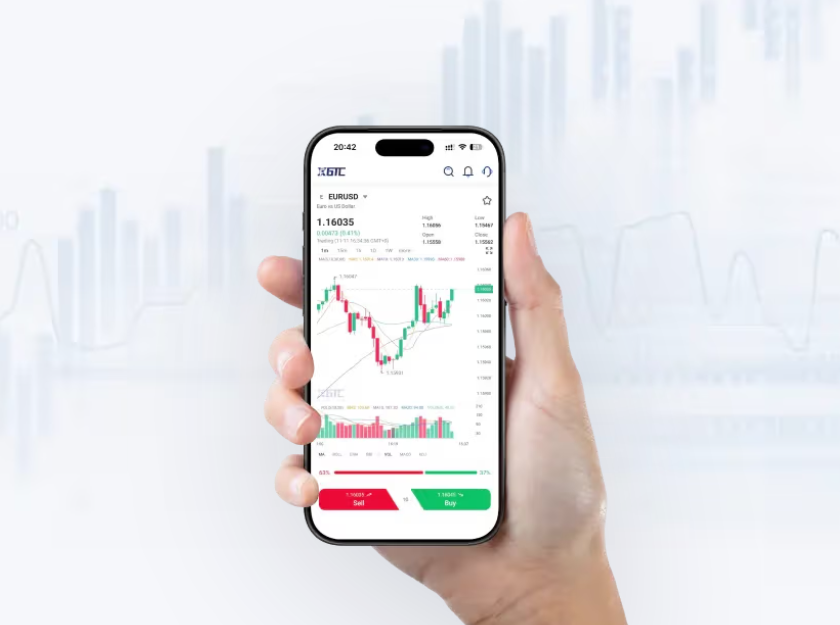
Beyond numbers, the platform shapes decision-making. Look for real-time charts, reliable order types, and clear margin calculators. Some broker platforms offer integrated newsfeeds and depth-of-market data — valuable when energy indices move fast. Others focus on simplicity and mobile access. Balance the need for analytical tools against the friction of a cluttered interface; choose what keeps you in control rather than overwhelmed.
Common mistakes — and alternatives that work
Traders often chase the lowest headline leverage or the flashiest dashboard — then get surprised by widening spreads during stress or by punitive overnight funding. Avoid over-leveraging positions and ignore unclear margin tiers. Instead, start smaller with lower notional exposure, stagger position sizes, and use stop-loss orders calibrated to realistic volatility. — A lean execution plan beats a complex one that collapses under pressure.
Real-world anchor: volatility that teaches lessons
The April 2020 WTI episode, when front-month crude briefly traded negative, remains the clearest lesson in how quickly cfd energy markets can flip. That market shock forced many providers to widen spreads, reprice margin requirements, and temporarily suspend certain contracts. For anyone trading CFDs on crude, watching how brokers responded then is a practical test of resilience. Track historic moves in the cfd crude oil price and note which firms honored fills versus those that delayed execution — those behaviors tell you who stands behind their systems when volatility arrives.
Checklist: what to test before you commit
Before funding an account, run these checks: demo-trade live-market contracts to measure slippage; read the margin schedule line-by-line; confirm regulatory status and fund segregation. Test withdrawals to verify operational transparency. Use small, timed trades across different hours to reveal hidden costs — funding rates, swap fees, and widening spreads can add up faster than you think.
Three golden rules for choosing a CFD energy brokerage
1) Prioritize execution transparency: insist on documented average spreads and slippage metrics. 2) Match leverage to your risk plan: lower leverage with clear margin calls beats high leverage with opaque rules. 3) Verify crisis responses: choose a broker that demonstrated fair fills and clear communication during past shocks like the 2020 crude episode.
Final thought and practical anchor
These rules yield measurable advantages: lower trading cost, fewer surprise margin calls, and predictable P&L under stress. For traders who want a partner — not just a platform — consider how a broker’s history, tools, and policies map to those three metrics. GTCFX sits within that comparison as a practical example of a provider that emphasizes transparent spreads, documented margin rules, and responsive execution — a fit that often solves the gaps other firms leave open. —