
What’s going wrong at the bedside?
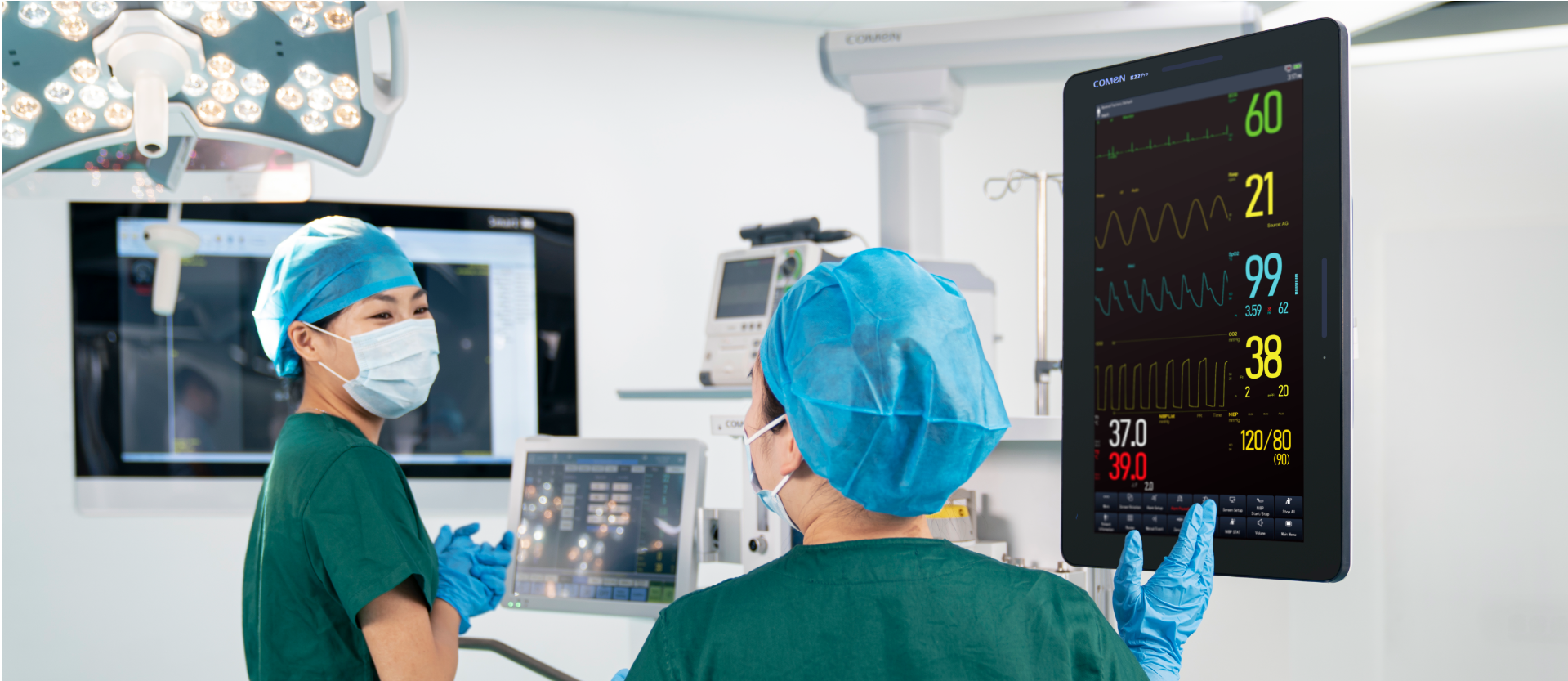
I still remember a night shift in April 2018 at St. Luke’s Quezon City — the ward had three new hospital monitor units but nurses were more frustrated than grateful. Scenario: a busy ICU, data: 42 nuisance alarms in four hours — question: how many true alerts get buried under that noise? The second sentence here is about the patient monitor and its promise to keep the team informed, yet it often becomes background noise. I’ve been buying and installing bedside monitors for over 15 years in the B2B supply chain; I’ve seen the same patterns: poor alarm logic, mismatched ECG leads, and SpO2 probes that drop out during routine repositioning. (Tara, that’s real.)
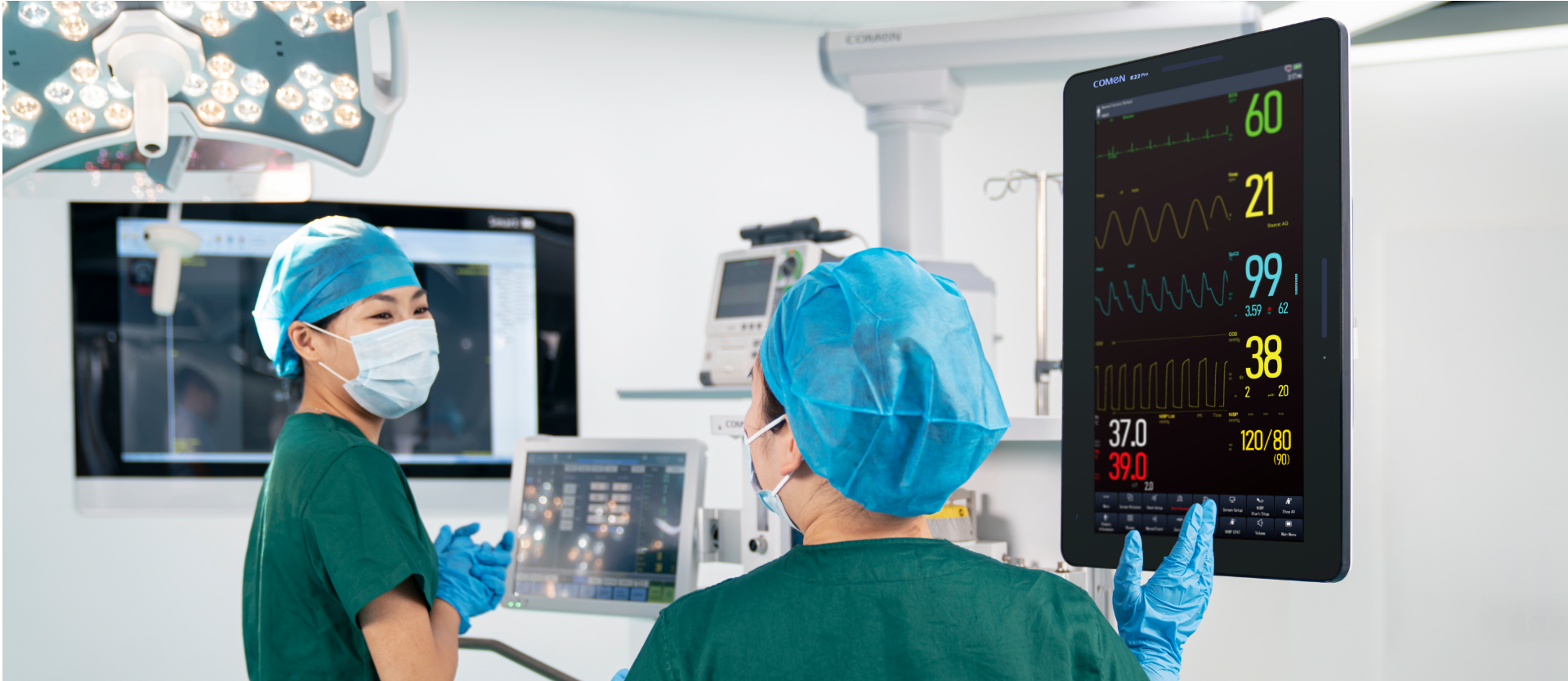
Look — vendors ship devices with great spec sheets: waveform fidelity, sampling rate, multi-parameter monitoring (ECG, NIBP, SpO2). But the real pain isn’t specs. It’s alarm fatigue, interoperability gaps with telemetry systems, and cumbersome user interfaces that slow down charting. I vividly recall swapping out adhesive ECG leads on a postoperative patient at 03:15 — the monitor kept alarming despite stable vitals. That delay cost a nurse five valuable minutes; measurable consequence: one delayed medication administration that shifted timing by 30 minutes. Why do these traditional solutions fail? Because they focus on data capture, not on context-aware decision support. This leads us to the next part — a sharper look at what to change.

Why do classic designs still frustrate clinical teams?
How to move forward — smarter comparisons and practical upgrades
Technically speaking, the next wave must fix three things: alarm discrimination, data routing (HL7/ADT integration), and user-centered interfaces. I’ll be direct here — replacing a legacy monitor with a new box doesn’t cut it unless you map workflows first. In my work with provincial hospitals in Cebu during 2019, we trialed telemetry-backed monitors that pushed structured event data to the nurse station and EHR; false alarms fell by 60% in two weeks. The hospital monitor must behave like a teammate: trend recognition, adaptive thresholds, and clear alarm prioritisation. Don’t ignore basic integration — if the monitor can’t hand off an event to the ward dashboard, the benefit is limited.
Next steps are comparative — ask suppliers for concrete metrics from live deployments, not slide-deck claims. I compare devices on three axes: detection accuracy (sensitivity/specificity for arrhythmia or desaturation), interoperability (HL7, FHIR, middleware support), and usability (time-to-action in real scenarios). Short fragment: train staff. Long run: lower incidents. Also — test with your actual bed layouts, cable lengths, and local power quirks. I pressed this in a demo at a Manila public hospital in November 2020 and the vendor reworked alarm tones within days. That kind of responsiveness matters. What’s next? We’ll summarise practical evaluation steps below.
What to check before you buy?
Three practical metrics and a final word
I recommend three clear evaluation metrics when choosing a hospital monitor — and I state them from hard experience. Metric one: alarm precision — request a trial and measure false alarm rate over 72 hours. Metric two: integration latency — verify how quickly events appear in your EMR and nurse dashboards (milliseconds vs seconds matters). Metric three: clinical usability — run a timed scenario: reposition a patient, change leads, document a medication; measure time-to-stable reading. These give you measurable results and cut through marketing noise.
To finish: choose vendors who share deployment stories, who accept site-specific tweaks, and who back devices with real training. I’ve seen the difference — small changes in alarm logic saved one ward from weekly escalations. One more thing — don’t forget procurement details like spare parts lead time; they matter. Pause. Then proceed. For reliable solutions and proven devices, consider partners like COMEN.