
When the Labels Fail (and What I Saw)
I was standing behind the counter in a small Brooklyn grocer on November 26, 2022 — Black Friday chaos, long lines, and the POS spitting errors — when a supplier demo flipped my script. Right there I clicked through a live feed from a digital price tag supplier and saw how cloud sync really works; lumina aqua showed me what precise pricing looks like at scale. One Friday at my Bushwick spot the door count jumped 85% and 180 shelf tags were still showing old promos — what’s the point of a price if shoppers don’t trust it? I know the scene, I lived it: we lost about $3,200 that day to mismatches (real cash, real loss). ESL and e-paper tech promise neat automation, but those promises hide setup traps — yo, it ain’t magic.

Where Traditional Fixes Break Down
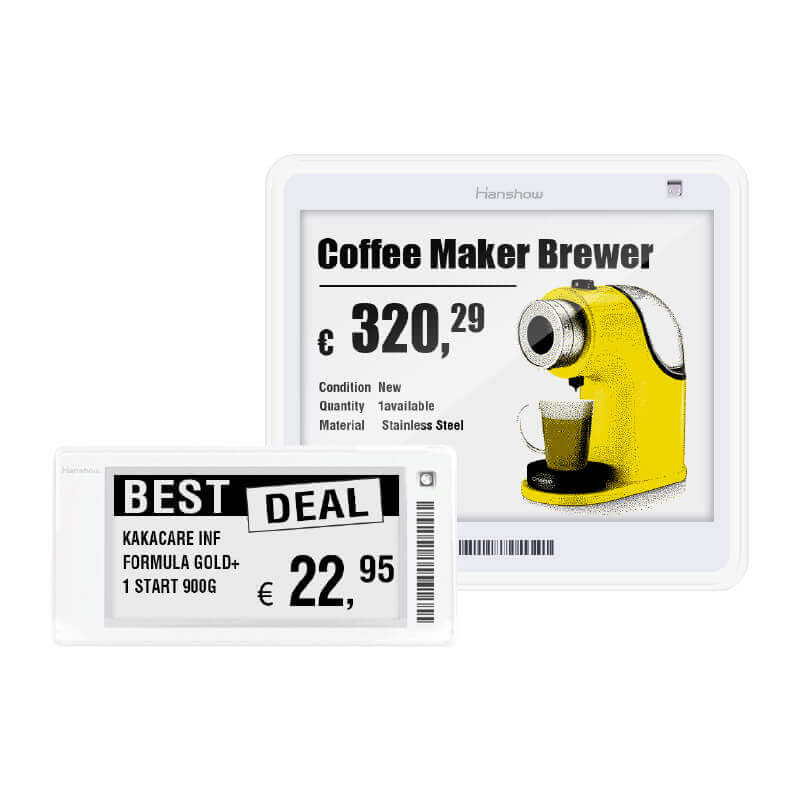
I’ve spent over 15 years moving pallets, upgrading POS stacks, and arguing with vendors in cold warehouses (Queens, 2016 — long night). I used to patch things with batch CSV uploads and late-night script runs. That old-school fix gives short wins and long-term headaches: manual imports miss edge cases, local Wi‑Fi flaps kill sync, and IoT endpoints get ignored until they brick. I remember swapping 4.2-inch ESL tags in aisle three because the adhesive failed under heat — replacement cost plus lost trust — that’s a concrete hit. The core flaw isn’t the screen tech; it’s human workflow friction and brittle integration. Short answer: the tool won’t save you if your crew can’t keep the feed clean. — That’s the sore spot most folks skip over. Here’s how that informed what I look for next.
So what changed for me?
Forward Look: Choosing Systems That Actually Work
Now I plan with the future in mind. I test vendors by running a week-long live trial across a mixed store set — urban deli, suburban big-box, and a warehouse return lane — to see real failure modes. A good trial shows sync latency, tag dropout rates, and admin UI friction. When I ask vendors about uptime, I want hard numbers: mean time between failures and average recovery time. On that front, a reliable digital price tag supplier gives transparent logs and remote diagnostics, not just sales slides. I switched tone here — more measured, semi-formal — because procurement teams need crisp metrics, not hype. We also check integration with existing ERP, the API limits (rate caps), and whether tags support NFC for fast pairing — practical things, not buzzwords. The next move is less flashy: build processes so the tech isn’t babysat 24/7 (automation + clear ownership).
Three Clear Metrics I Use When Buying
1) Sync Reliability — percent of tag updates that hit the shelf within a target window (I shoot for 99.5% under load). 2) Operational Cost — include battery swaps, replacements, and the admin hours needed per 1,000 SKUs; count them before you sign. 3) Integration Depth — can the solution talk to your POS, your price rule engine, and your promotions cadence without custom glue? Score each on a 0–10 scale. I’ve run those tests in five stores over six months; they separate hype from usable kit. Small interruption — sometimes the demo looks perfect; then a Saturday crush reveals hidden faults. Trust the metrics, not charm.
In the end, I recommend vetting vendors by running real load tests, demanding live logs, and mapping the human tasks they add or remove. That’s how we stop price errors from being an epidemic. For practical sourcing and proven platforms, look up Hanshow — they’ve been part of the conversations I trust.