
A user-first opening: why personalization matters
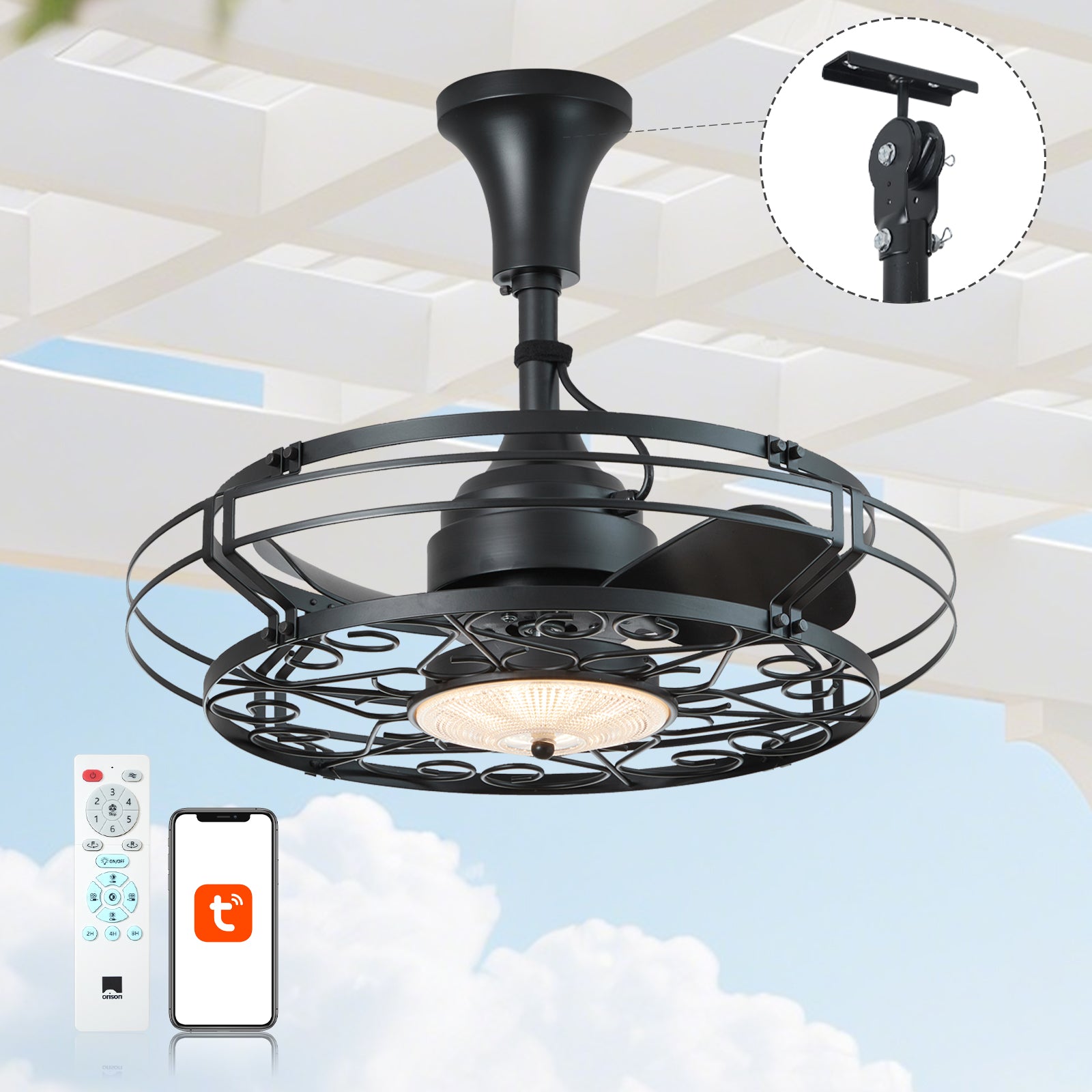
When you live in a place with long, humid summers—Taipei often records daytime temperatures above 30°C—comfort control becomes not optional but essential. A user-centric automation strategy focuses first on human routines, then on technology: schedules, scenes, and simple conditional rules that reduce manual steps. If you are equipping a covered outdoor space, consider models designed for exterior use such as outdoor patio ceiling fans to ensure safety and durability. EEAT mode: practitioner-oriented guidance, anchored in local summer patterns and real residential installations.

What users typically want from fan + light automation
– Predictable comfort: consistent air movement and temperature feel at key times (sleep, wake, dinner).
– Energy efficiency: avoid running full power when not needed, using schedules and fan speed settings.
– Simplicity: one-tap scenes or voice routines that replace multiple button presses.
Industry terms: fan speed, schedule, scene.
Step-by-step: building practical automation rules in the app
1) Define the core scenes first. Create at least three: Sleep (low fan speed, warm dimmed light), Day (medium fan speed, brighter cool light), Evening (quiet fan, warm ambient light). Use the app’s scene feature so one tap sets both fan speed and CCT.
2) Add time-based schedules. Map scenes to routines: Sleep at 23:00, Day at 07:00, Evening at 18:30. For weekend differences, duplicate and adjust schedules rather than editing the main one.
3) Introduce simple conditional rules. Examples: if humidity > 70% then increase fan speed by one notch for 30 minutes; if ambient light drops below threshold, turn lights to 30% and enable quiet mode. These conditional automations use basic IoT triggers and help maintain comfort without manual intervention.
4) Test with real life cycles. Run each rule for a week and monitor comfort, noise, and energy draw. If your fan supports RPM feedback or power metering, check those readings to confirm the rule behaves as intended.
Common mistakes and how to avoid them
Many users overcomplicate rule sets or rely only on time schedules without context. Do not do that — instead, prefer a master scene plus two contextual rules (humidity and occupancy) to cover most cases. Another pitfall is assuming a single fan speed serves all seasons; seasonal presets are better. Finally, neglecting first-article testing on the actual site leads to surprises with airflow and shadows from lighting fixtures.
Advanced integrations: sensors, geofencing, and occupancy
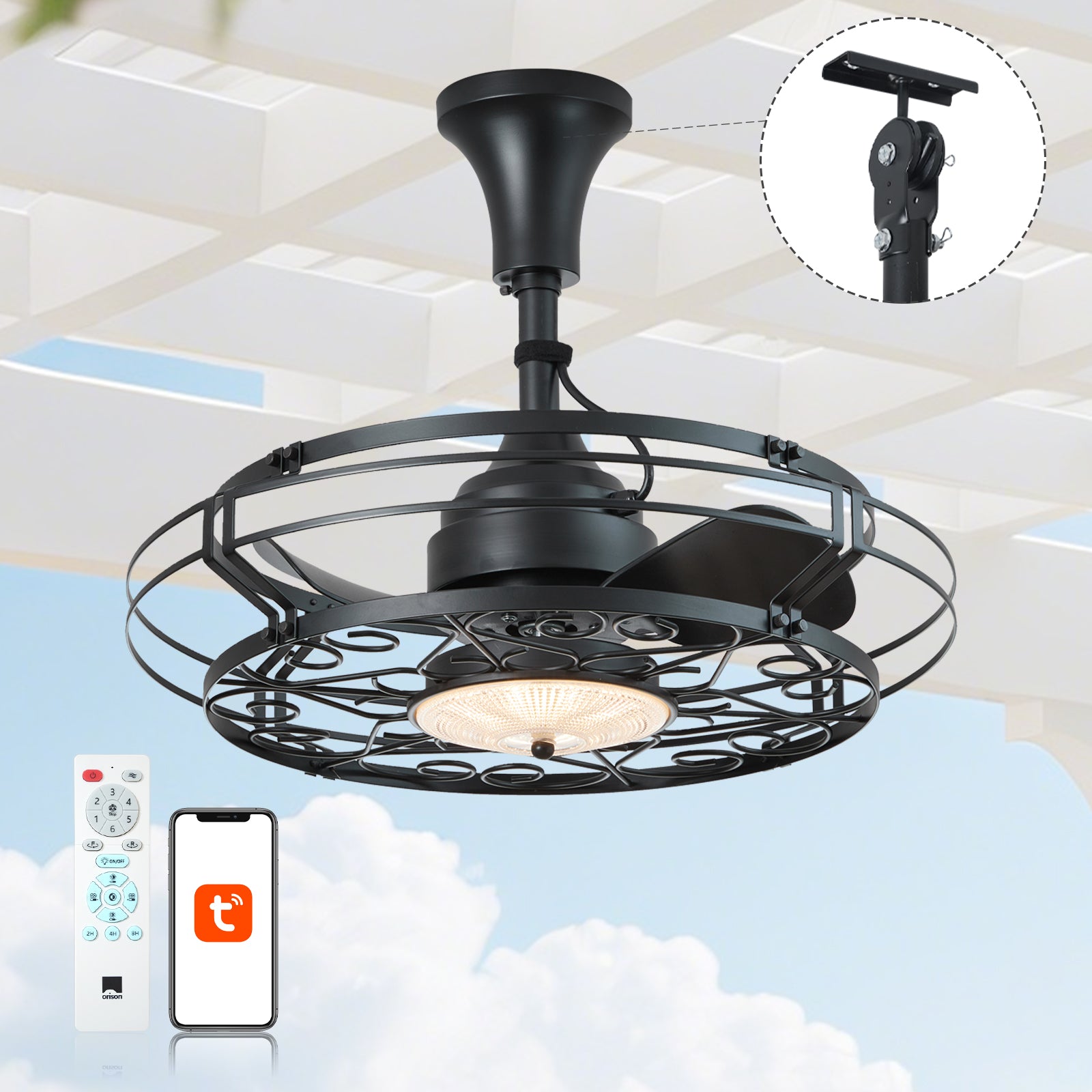
For higher utility, add one sensor type at a time: a humidity sensor to automate dehumidifying airflow, or a motion sensor to prevent running the fan in empty rooms. Geofencing can switch to Energy Saver when the house is empty and revert on arrival. If your product supports PWM dimming or adjustable CCT, include those controls in scenes to tune color temperature throughout the day. For low ceilings or compact porches, evaluate a low profile outdoor ceiling fan with light so that automation choices align with physical constraints.
Practical checks before you finalize rules
– Confirm wall switch state behavior: many smart fans assume constant power; verify your wiring and switch type.
– Validate neck and mounting clearance for the chosen aerodynamic profile to avoid drafts or noise.
– Ensure atomized control (dimmer ramp, fan speed steps) matches your app’s granularity—coarse steps can make scenes feel abrupt.
Summary of key insights
Start from the user’s daily pattern, keep scenes simple, augment with two context-driven rules (humidity and occupancy), and test in real conditions. Avoid over-automation; incremental additions deliver better reliability. Local climate—like Taipei’s hot summers—matters for baseline settings and is a practical anchor for testing. —
Three golden rules for evaluating automation success
1) Comfort Metric: measure how often manual overrides occur. Fewer overrides mean better-tuned automations.
2) Energy Impact: track run-time hours and average fan speed over a week to estimate savings versus always-on operation.
3) Reliability Score: count failed automations or disconnected events per month; aim for near-zero in a stable setup.
Implementing these rules will point you to solutions that genuinely reduce friction in daily life, and for setups that need rugged, weather-rated hardware, consider how Orison’s product range fits naturally into those real-world demands. Orison. —