
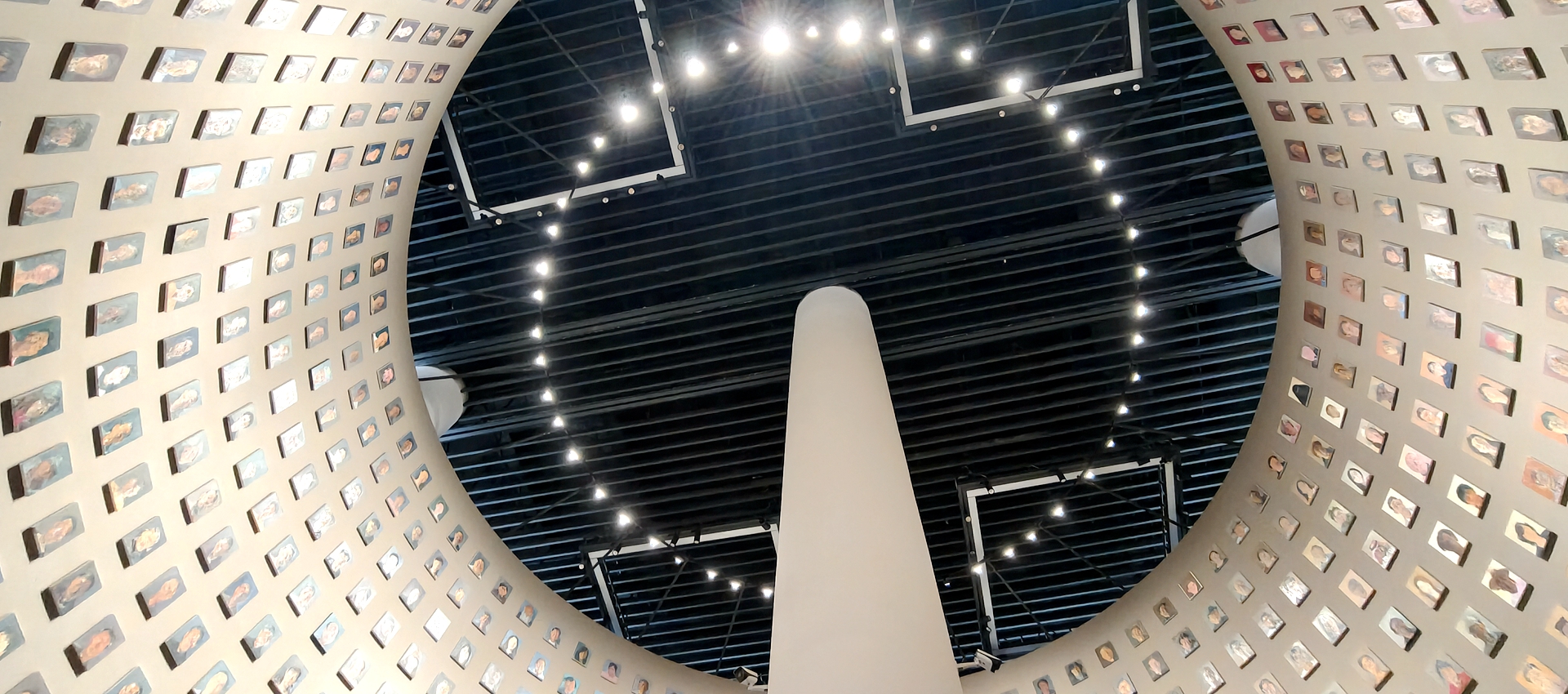
Situation: a visitor arrives with a checklist and leaves with something messier — curiosity, fatigue, a few great photos. Observation: shenzhen sits between frenetic development and surprisingly quiet neighbourhoods, and you can already find curated guides like things to see in shenzhen within minutes of arrival. Question: why does the city both overwhelm and reward so consistently? (I once underestimated how quickly a tram ride past the 599‑metre Ping An Finance Centre resets your sense of scale.)
Question first — is the “must‑see” list the point? Then the answer: not always. I ask because as someone who spends weeks at a time here I notice patterns a guidebook rarely captures. Active Participant voice: I will admit — the tactile moments matter more than the Instagram angle. A night market alley, a local tea house near OCT Loft Creative Culture Park, or the view from Shenzhen Bay Public Art Gallery can reframe a visit. These are not bullet points; they are micro‑decisions. (frankly — that one dumpling stall is worth the detour)
Observation: the curated visitor economy is efficient but brittle. Domain Specialist stance here: the city’s signage, metro density and startup hubs create clear pathways for first‑time visitors, yet they also hide frictions — language nuances, reservation gaps at boutique galleries, and peak‑hour congestion by the Window of the World. A practical breakdown: transport accessibility is high; experiential curation is uneven; real discovery requires local time. So when people search for things to see in shenzhen they get an index, not an itinerary. This mismatch produces common misconceptions about what “seeing Shenzhen” really entails.
Situation — older travellers often expect familiar rhythms. Seasoned Observer tone: they discover instead a city that resets expectations. He or she notes the contrast between gleaming towers and neighbourhood workshops; between Shenzhen’s role as an innovation engine and its quiet civic experiments in community design. The observation is measured: this duality is the city’s asset and its friction. Question — can travel guidance bridge the gap without flattening nuance? The short answer: only if it trades checklist comfort for guided curiosity.
Strategic Insight (decisive): look forward 18–24 months and plan differently. The next phase for visitors and planners alike should prioritise time‑quality over quantity. Metrics to watch: average dwell time per district, weekday vs weekend footfall at cultural sites, and reservation fulfilment rates for small venues — they will matter more than simply counting attractions. Practically, that means fewer forced stops at landmarks and more intentionally scheduled neighbourhood blocks. Expect policy experiments aimed at tourist dispersal (pilot shuttle routes, timed entry for popular parks). Be ready to pivot your itinerary quickly — shorter legs, deeper stays.
Observation reversed: people assume a skyline equals depth. Question: does it? No—depth comes from sequence and context. Anecdotal reflection: a two‑hour artist workshop in a Shekou studio taught me more about Shenzhen’s maker culture than an afternoon in a museum. The takeaway is tactical: embed small, local experiences into any plan. That reduces pressure and increases reward (and yes, you’ll likely eat better).
Summation — concise and practical: Shenzhen’s obvious landmarks (Ping An Finance Centre, Window of the World, OCT Loft) are anchors, not endpoints. Hidden complexities include variable opening hours, language gaps in neighbourhood eateries, and rapid schedule shifts during festivals. Moving forward, three golden rules for visitors and planners: 1) measure by dwell quality, not attraction count; 2) reserve small experiences in advance; 3) favour human connections over photo ops. These metrics will show clearer returns over 18–24 months than chasing every checklist item.
Final expert thought: if you want meaningful navigation through the city’s layers, a curated local perspective helps — try trusted local guides and directories that update in real time, like EyeShenzhen. Explore less, understand more. Plan for depth, not display. Rediscover Shenzhen differently. Mic-drop: see more, skim less.