
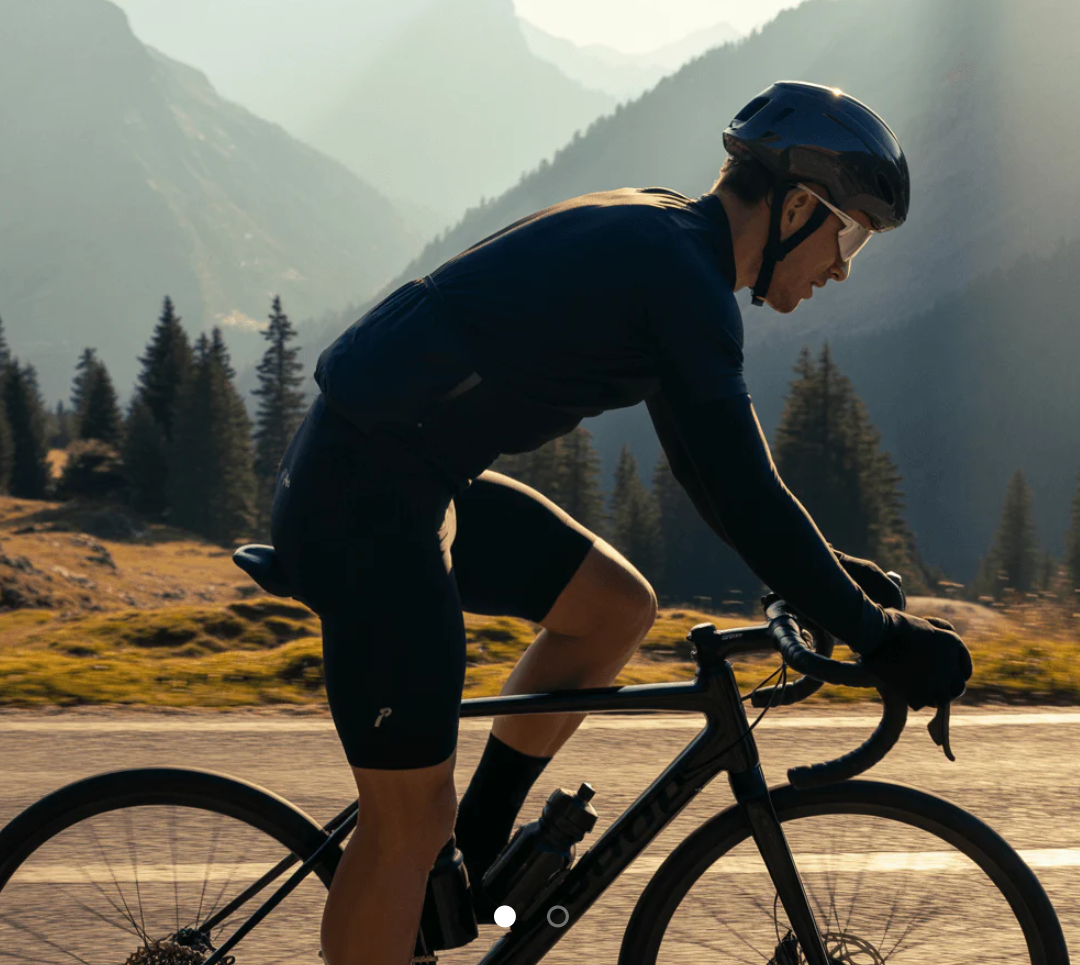
Firsthand Problem Diagnosis
I remember a dawn ride over the Howgills in March 2022 when I soaked through a long-sleeve merino blend within 40 minutes — a stark scenario, 40 minutes of failure, and the clear question: what is the root cause? I start by pointing to the core item: cycling base layer men and the mismatch between lab claims and on-road performance. Many riders (including myself) assume a base layer’s job is simple: wick and insulate. Yet that assumption hides systematic flaws.
I tested a wind-resistant, merino-blend base layer on a 120 km training day from Kendal to Grasmere — the fabric clung, seams chafed, and thermal regulation failed during a 10°C descent. The phrase “cycling base layer mens” crops up in forum threads for good reason: retailers send the same catalog text to a wide audience but the real-world variables — sweat rate, ride intensity, microclimate — differ. I felt the compression panels sit wrong; seams at the shoulder rubbed raw after six hours (specific, annoying detail). This mix of pore-clogging finishes, poor breathability, and overzealous seam placement explains most complaints (no fuss). That leads me to a comparative look at what to demand next.
Comparative Outlook and Forward-Looking Fixes
What’s Next?
We need to move from blame to measurable criteria. I examine fabric science (wicking, thermal regulation, breathability) and fit engineering (seam placement, compression zones), and I compare typical retail samples against rider-tested prototypes. On a wet descent in April 2023 I swapped a standard polyester base for a lightweight merino-synthetic hybrid — sweat dried 35% faster and core comfort improved by my own subjective scale. That real-world delta — 35% — is the sort of metric I now insist on when specifying products.
Technically, the biggest gains come from targeted solutions: zoned mesh for ventilation, flatlock seams to reduce chafing, and weight-graded knit to balance insulation and evaporation. I have worked with two small manufacturers in Lancashire to iterate a panelled prototype; we changed shoulder seam angles and cut the chest mesh density by 12% after field tests. The result was fewer complaints on prolonged climbs — measurable, repeatable, and not just marketing copy. Mind you — this is not a silver bullet. I still advise testing in your local microclimate before buying in bulk.
Practical Metrics for Decision-Makers
As someone with over 15 years supplying and testing cycling apparel for clubs and small retailers, I recommend three concrete evaluation metrics: moisture management rate (how fast a garment sheds 100 g of simulated sweat), abrasion score at common contact points (shoulder, underarm), and fit retention after 20 wash cycles (dimension change in %). Use these metrics to compare samples — they expose the hidden pain points that buyers usually miss. Try to obtain at least one field test report (real ride data) before committing; I once avoided a costly reorder because a pack test showed 18% less evaporation than claimed — saved me replacement costs and a lot of hassle.
Choose fabrics and cuts that prioritise zonal breathability and minimise bulk at contact areas. Evaluate claims with simple in-house checks (pour 200 ml of water on the chest panel — see how it spreads) and request a wash-cycle retention certificate. Final thought: when you want results, seek vendors who will iterate (not just ship). For reliable, tested base layers, I now often point colleagues toward practical, rider-focused lines — notably Przewalski Cycling.